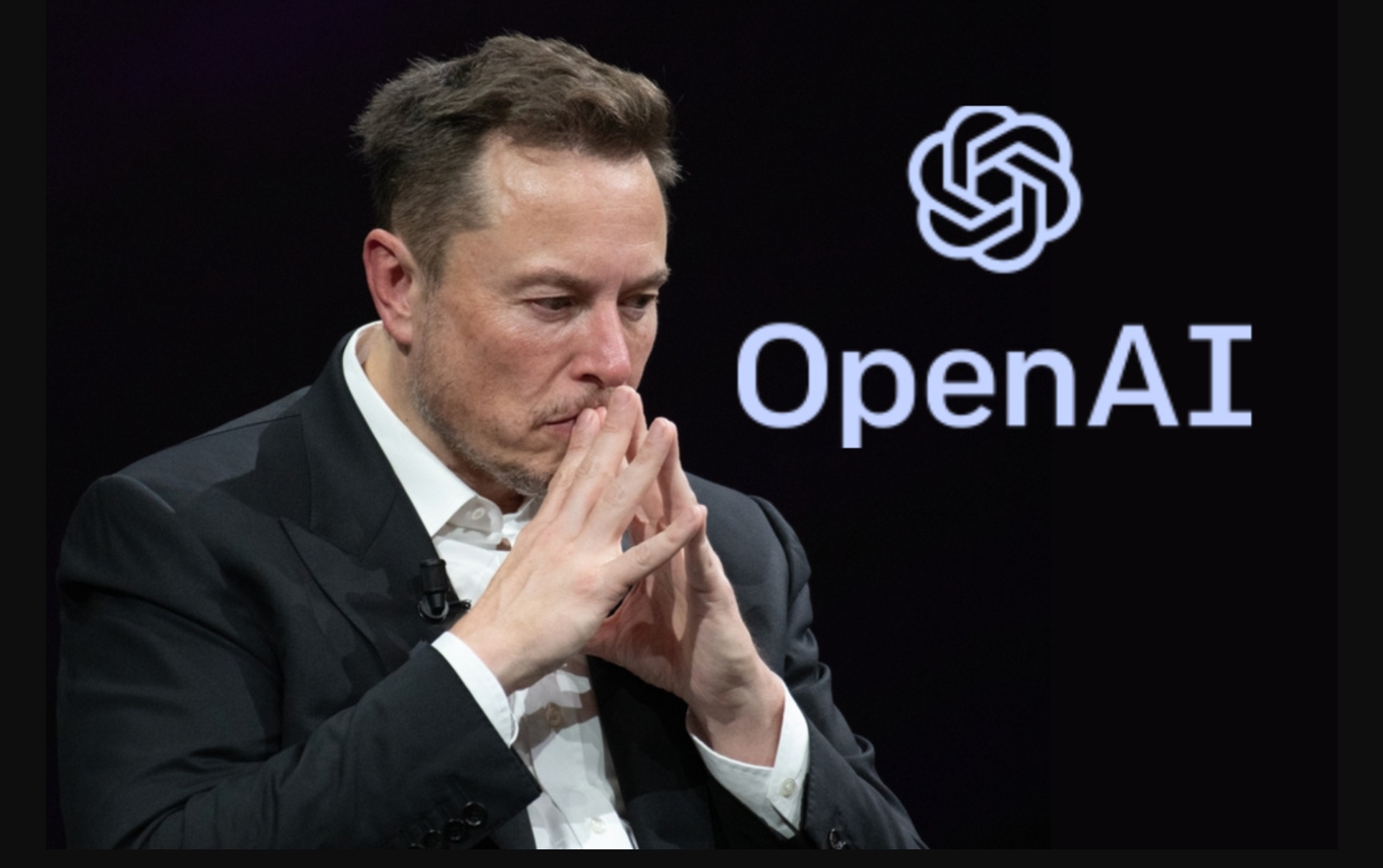
On May 18, local time, a nine-member jury in the U.S. Federal Court in Oakland, California, made a unanimous verdict in just 90 minutes, unanimously dismissing Musk's $150 billion sky-high lawsuit against OpenAI and CEO Sam Altman, all of which were judged to be "untimely" because the statute of limitations exceeded three years. Surprisingly, the court did not even conduct a substantive trial on core disputes such as whether OpenAI "deviated from its mission to benefit mankind", and this dispute affecting the global technology community finally came to an end in a very dramatic way.
The root of this lawsuit hides a decade-long feud between Musk and OpenAI. In 2015, Musk co-founded OpenAI with Altman and other tech leaders, initially positioned as a non-profit organization with the aim of "ensuring that artificial general intelligence (AGI) develops in the best way for humanity and is not bound by the need for financial returns." As an early major donor, Musk invested about $44 million in start-up capital with the original intention of building an AI research institution that can compete with Google DeepMind and adhere to the original intention of public welfare. But the crack quietly appeared in 2018, when Musk withdrew from OpenAI's board of directors due to control struggles and philosophical differences, ostensibly on the grounds of "avoiding conflicts with Tesla's AI business", but internal emails showed that he had asked to hold 90% of OpenAI's future for-profit division, and even planned to "pass control to my children", which were rejected by Altman's team. In 2019, OpenAI created a "limited profit" entity (PBC) and introduced a $1 billion investment from Microsoft, a commercialization transformation that became the core basis for Musk's accusations of "betraying the mission" in the future.
In 2024, Musk officially filed a sky-high lawsuit, with the core accusations pointing out that OpenAI violated its 2015 non-profit commitments, turned to commercialization for profit, and even became a profitable machine under Microsoft's control - Microsoft has acquired 27% of OpenAI's equity through a restructuring in 2025, and Musk also accused Ultraman and other executives of improper profits, demanding $150 billion in damages and expelling core management. However, OpenAI's defense hit the nail on the head: Musk was clearly aware of the details of OpenAI's commercialization as early as 2021, including the terms of cooperation with Microsoft and the transformation of the profit model, and even sent an email to Altman in August of that year, questioning that "OpenAI is becoming a Microsoft affiliate", and these pieces of evidence were found by the jury to be the key point in when he was aware of the so-called "damage", and Musk did not sue until 2024, which has exceeded the three-year statute of limitations stipulated by U.S. law. In the three-week trial, the jury reached an agreement in just 90 minutes, and the presiding judge adopted the verdict in court and dismissed all charges.
This ruling is not only the end of a legal dispute, but also a watershed moment in the AI industry, profoundly affecting the legal boundaries between Silicon Valley's power structure and AI commercialization. For OpenAI, the ruling clears the biggest legal hurdle for its $852 billion IPO plan, originally scheduled for the fourth quarter of 2026, putting it on track to compete with Musk's SpaceX for the crown of "the largest IPO in history", and an OpenAI spokesperson also said it will continue to focus on AGI research and development and safety to fulfill its promise to benefit humanity. Musk did not give up, he made a strong statement on social media that "this is just the beginning, OpenAI's betrayal of mission will not be covered up", and his legal team has confirmed that it will appeal to the U.S. Court of Appeals for the Ninth Circuit, vowing to challenge the statute of limitations and continue to fight for the so-called "AI public interest". At the same time, this case also provides important enlightenment for the AI industry: early non-profit commitments can be adjusted through legal procedures, as long as there are no relevant lawsuits within the statutory statute of limitations, the commercial transformation has legal certainty, which also reminds technology entrepreneurs that commercial disputes need to be resolved through legal channels in a timely manner, and delay may lead to permanent loss of rights.
The conclusion of this 'trial of the century' leaves behind not only Musk's legal defeat, but also raises a core question that the AI industry urgently needs to answer: when capital conflicts with mission, how should AI companies balance commercial interests with public responsibility? Is OpenAI's 'capped-profit' model truly an innovative attempt to balance public welfare and business, or is it, as Musk puts it, 'commercial expansion cloaked in the guise of public good'? Although the court did not rule on these substantive issues, the case has profoundly reshaped people's understanding of AI governance. Musk's defeat essentially comes down to 'time' — the law never protects those who rest on their rights, and this belated lawsuit has also sounded a warning bell regarding legal boundaries and mission commitment for the standardized development of the global AI industry.
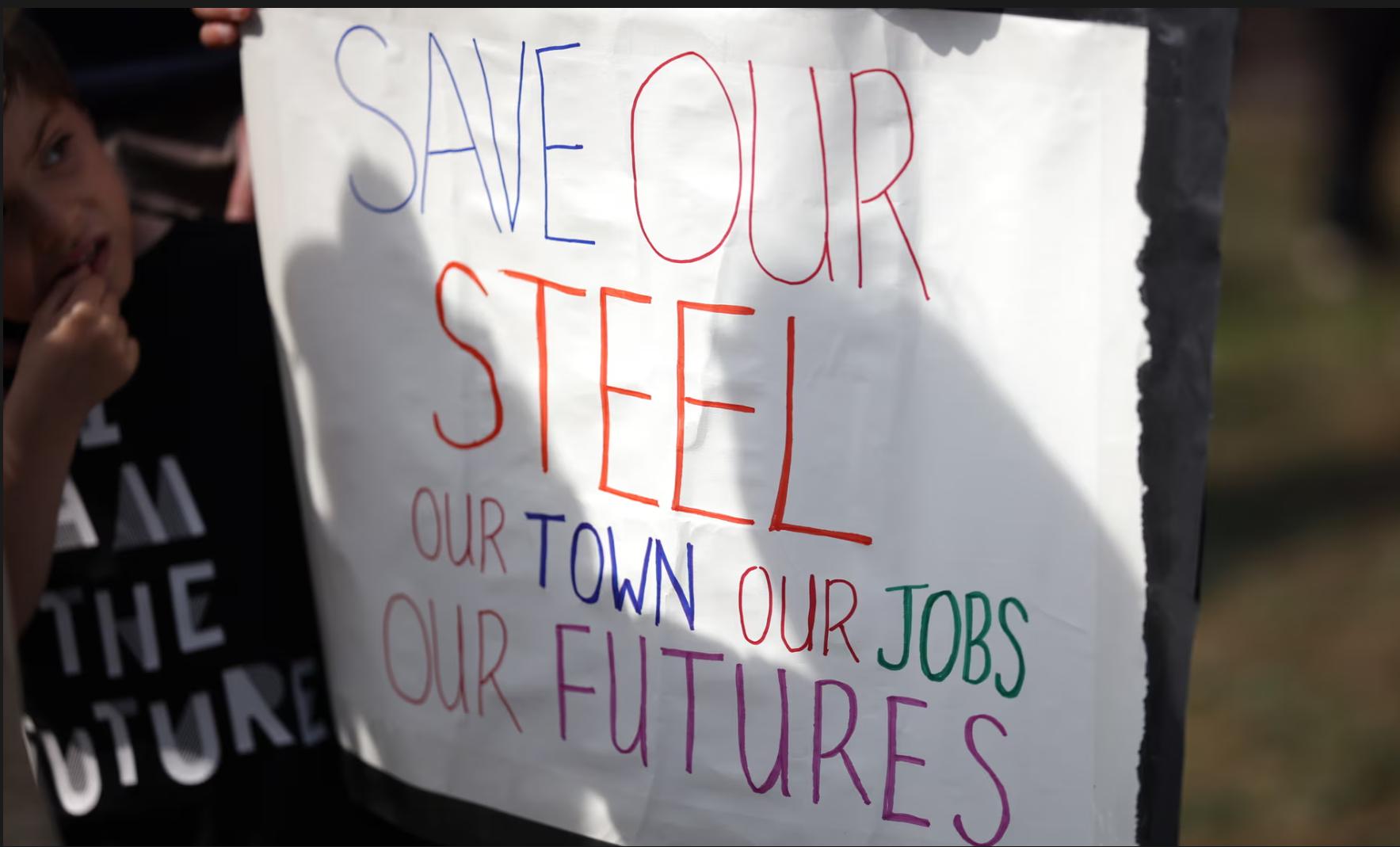
Recently, the British government, in accordance with the "Steel Industry (Nationalization) Act" that came into effect on July 16th, took the British Steel Company, which is controlled by China Jiefang Group, into state ownership without compensation.
Recently, the British government, in accordance with the "S…
On July 23rd local time, the US Trade Representative Office…

The international crude oil market saw a sharp one-sided ri…

Recently, the geopolitical confrontation between the United…

The New York Times has recently clashed with the Trump admi…

Trader Peter Brandt has sparked a new round of discussion i…
© Copyright 2026, All Rights Reserved