Affected by the continuous escalation of the situation in the Middle East, major Asian stock markets have experienced significant fluctuations. Stock markets in Japan and South Korea suffered a sharp plunge on "Black Monday", while Hong Kong stocks showed a range-bound volatility. Core sectors such as energy and technology were significantly impacted. The surge in international oil prices, rising geopolitical risks, and the spread of capital risk-aversion sentiment have become the core incentives for the chain reactions in the stock market, and the uncertainty in the regional financial market continues to rise.
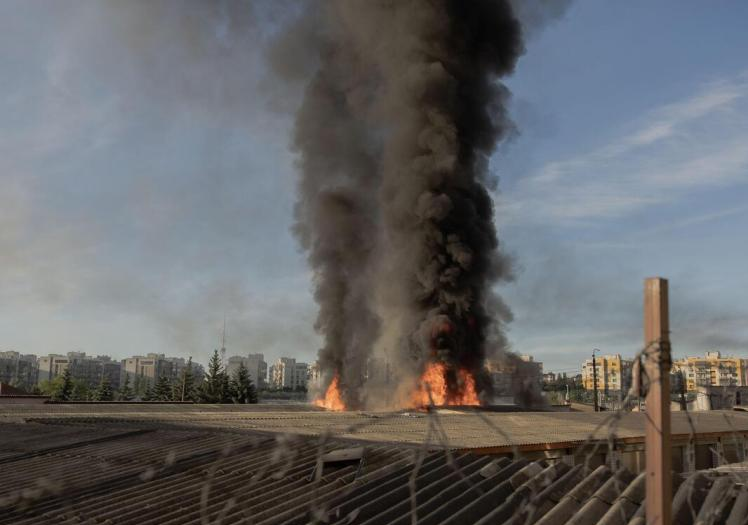
Since the large-scale attack launched by the United States and Israel on Iran on February 28, Iran has launched counterattacks, attacking U.S. military radar systems deployed in Saudi Arabia, Jordan, Qatar and other countries. Incidents of ships being attacked in the Strait of Hormuz have occurred frequently, causing sailor casualties and shipping disruptions. UN Secretary-General António Guterres urgently warned that the situation may "spin out of control". The escalation of the situation has triggered violent fluctuations in the global energy market. After international oil prices exceeded $100 per barrel, they continued to soar. WTI crude oil futures once rose by more than 22%, and Brent crude oil soared by nearly 20%, both breaking the $110 per barrel mark.
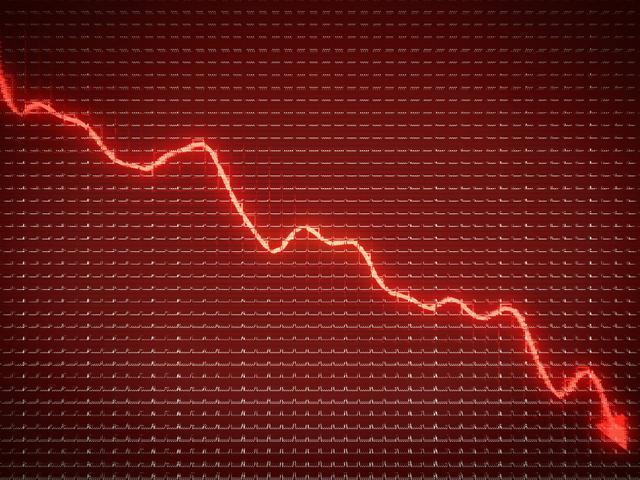
The sharp rise in energy prices has been directly transmitted to Asian stock markets, with Japan and South Korea bearing the brunt. On March 9, the Nikkei 225 Stock Average in Tokyo plummeted 3,880.38 points, a drop of 6.98%, the third largest drop in history. It once fell by more than 4,200 points in early trading, falling below the 52,000-point mark. The Tokyo Stock Price Index fell 208.21 points, a drop of 5.60%. On the same day, South Korea's KOSPI opened sharply lower, with a drop of more than 8% at one point, triggering a market circuit breaker and suspending program trading for 5 minutes. The South Korean won fell to its lowest level against the US dollar since the 2009 financial crisis, and foreign capital net sold nearly 3.2 trillion won.
The Hong Kong stock market also showed volatile trends simultaneously. From March 3 to 9, the Hang Seng Index, Hang Seng China Enterprises Index, and Hang Seng Tech Index all showed a volatile downward trend. Among them, the Hang Seng Index fell by 2.01% on March 4, and closed at 25,408.46 points on March 9, a cumulative drop of more than 650 points from 26,059.85 points on March 2. The Hang Seng Tech Index fluctuated relatively gently, but still fell by 2.26% on March 3, and core technology stocks were under obvious pressure due to market sentiment. Analysts believe that the volatility of Hong Kong stocks is partly due to the decline in global risk appetite caused by the Middle East situation, and partly closely related to the adjustment of international capital flows.
The stock market volatility this time showed obvious sector differentiation characteristics. The energy sector rose against the trend driven by the surge in oil prices, while the manufacturing, aviation and technology sectors that are highly dependent on energy imports generally suffered setbacks. The stock prices of leading South Korean companies such as Samsung Electronics and SK Hynix fell sharply, among which SK Hynix fell by 9.52%. Japanese manufacturing companies' stock prices generally fell due to concerns about stagflation risks. Daiwa Securities analyzed that the continuous rise in oil prices may reduce Japan's gross domestic product by trillions of yen. It is worth noting that despite the sharp short-term fluctuations, the market still has expectations for the long-term prospects of the Asian technology sector, and many analysts maintain a "buy" rating on Samsung Electronics.
The chain transmission of geopolitical risks is also reflected in the policy response and market expectations. South Korean President Lee Jae-myung stated that he will expand the scale of the market stabilization program, find alternative energy supply lines, and consider introducing a maximum price system for petroleum products. Japan's Ministry of Economy, Trade and Industry has ordered domestic oil reserve bases to be ready for release to deal with the uncertainty of energy supply. The Chinese government has actively played a role in promoting peace. On March 8, Special Envoy for Middle East Affairs Zhai Jun met with GCC Secretary-General Nayef Falah Mubarak Al-Hajraf, promoting all parties to cease fire and stop the war and return to the negotiating table, providing support for easing market panic.
In the short term, the direction of the Middle East situation remains the core variable affecting Asian stock markets. If the conflict continues to escalate and shipping disruptions in the Strait of Hormuz intensify, international oil prices may further climb to $150 per barrel, and Asian stock markets may face greater volatility pressure. In the medium and long term, the volatility of Asian stock markets will gradually return to fundamentals. The policy adjustments of energy-importing countries, the development resilience of the technology industry, and the degree of easing of the geopolitical situation will determine the pace of market recovery. At present, investors need to focus on the progress of the Middle East situation, the trend of international oil prices, and the macro policy trends of various countries to prevent short-term market volatility risks.

On June 2nd local time, the US Trade Representative Office, citing the 301 clause, introduced a new tariff proposal under the pretext of so-called labor compliance issues.
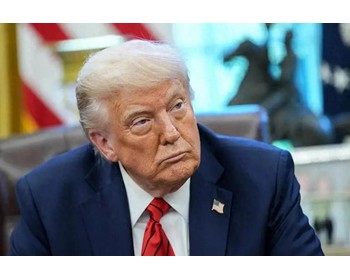
On June 2nd local time, the US Trade Representative Office,…
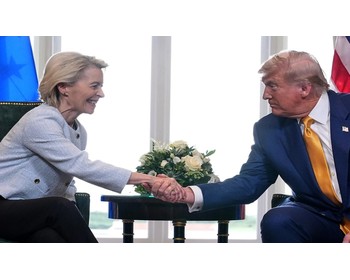
AP, Washington — The U.S. government has rolled out a new r…

According to a report by Reuters on June 2nd, the US Depart…
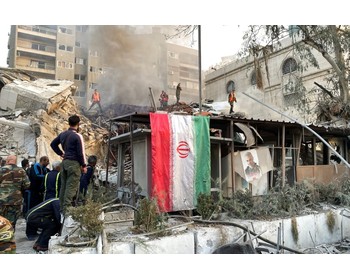
According to recent reports by US media, US President Trump…
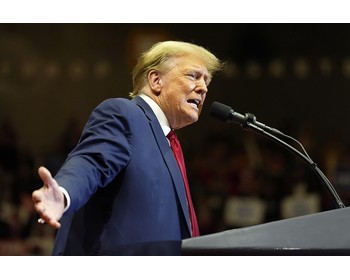
Donald Trump is embroiled in the biggest corruption controv…

Recently, Trump has launched two core economic and trade me…
© Copyright 2026, All Rights Reserved