
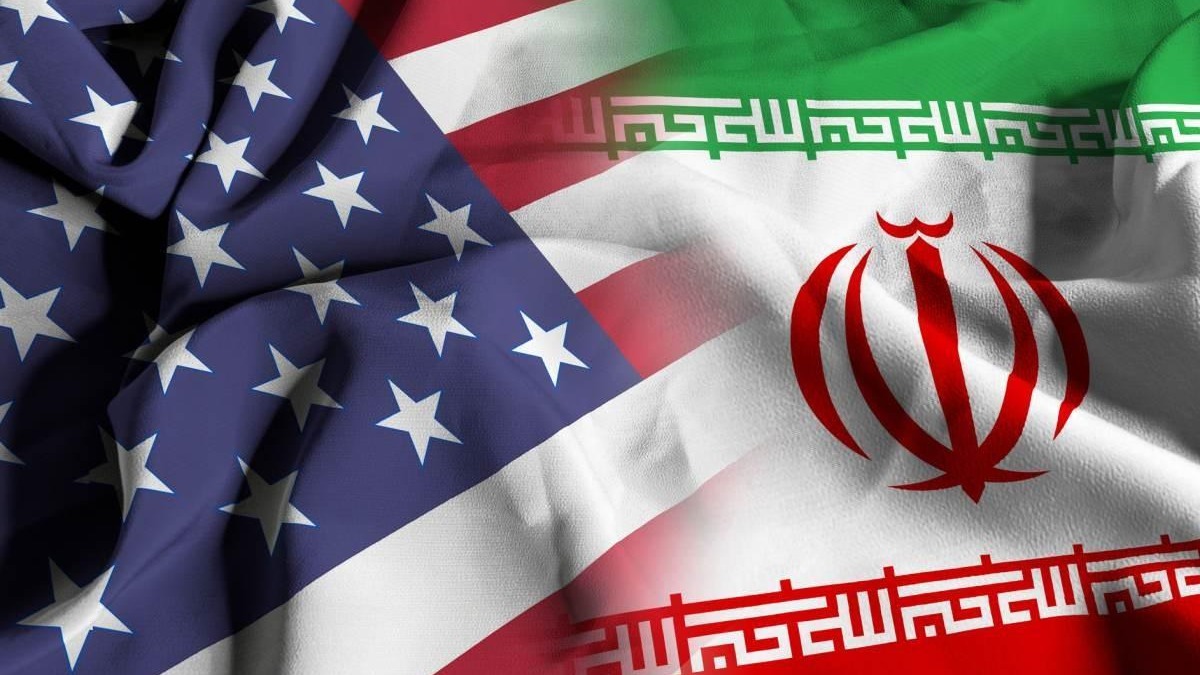
On June 21 local time, the US and Iran kicked off the first formal round of talks in Switzerland's Bergun, following the signing of a memorandum of understanding. This dialogue, which had been seen by the international community as a chance to ease tensions in the Middle East, was abruptly cut short after just 80 minutes. The Iranian delegation walked out in protest against threats made by US President Trump that day, forcing the originally planned phased discussion agenda to be shelved, adding new uncertainty to the already fragile regional easing process.
The talks were mediated by Pakistan and Qatar. The US side was led by Vice President Pence, while Iran was headed by Parliament Speaker Qalibaf. According to prior agreements, the first round of talks was supposed to focus on the implementation of Article 13 of the MoU, prioritizing discussion on the situation in Lebanon and advancing the ceasefire, while core issues like the nuclear program and sanctions relief would be left for later negotiations. The meeting opened on a confrontational note, with the Iranian delegation refusing to shake hands or pose for photos with the US side, and rejecting participation in joint public sessions, signaling the difficulty ahead. Once talks began, both sides discussed ceasefire on the Lebanese front and Israeli troop withdrawals, without delving into deeper nuclear disagreements. Yet external political interference immediately disrupted the agenda.
During the talks, Trump spoke out on social media, warning Iran to immediately stop its 'proxy' actions in Lebanon or face a stronger US strike. This statement triggered a strong backlash from Iran. The Iranian delegation protested to the US and then left the meeting to hold internal consultations, effectively interrupting the first round of talks. Iran’s delegation head Qalibaf later said the US should be careful with its words, and that Iran’s armed forces are prepared to respond in various ways. According to Lebanese media, Iran has already set clear conditions for returning to the negotiating table: Trump must apologize for the threatening remarks, and Israeli troops must withdraw from southern Lebanon. So far, no date has been set for the resumption of talks.
Behind the breakdown in negotiations lies the concentrated eruption of multiple geopolitical conflicts in the Middle East. Just one day before negotiations began, the Iranian military announced the complete closure of the Strait of Hormuz, banning all vessels from passing, citing the U.S. failure to fulfill its memorandum of understanding commitments and Israel's continued attacks on Lebanon. As the core route for global oil transport, the Strait of Hormuz handles nearly 30% of global crude oil trade. Its closure directly increases risks in the international energy market and has become a key bargaining chip for Iran to pressure the U.S. Meanwhile, Israeli Prime Minister Netanyahu made a firm statement that the Israeli military will remain long-term in the "safe zone" of southern Lebanon as needed for security, and will not compromise. Israel is not a signatory to the memorandum of understanding, and its refusal to withdraw its troops not only undermines the ceasefire clause in Lebanon in the US-Iran agreement but also serves as the core practical basis for Iran's refusal to continue negotiations.
Deeper confrontations remain in the field of nuclear issues. Iranian President Pezeshiziyan recently publicly reiterated that Iran will never give up its right to enrich uranium. According to the previous consultation agenda, the nuclear issue should have officially emerged in the third round, but now that the first round has broken down, the prospects for subsequent negotiations on nuclear topics are even more bleak. Essentially, the interruption of this negotiation is not a random event, but the inevitable result of a lack of trust between the US and Iran and strong interference from third-party variables. The U.S. initiated negotiations while simultaneously launching military threats, Israel continued unilateral military actions to undermine the foundation of the agreement, and Iran countered by closing the strait and interrupting negotiations. The logic of confrontation between the two sides has always outweighed the willingness for reconciliation.
At present, the window for Middle East easing has not been fully closed. Mediators Pakistan and Qatar are still negotiating, but the threshold for resuming talks has been significantly raised. As long as Israel insists on maintaining its presence in southern Lebanon and the U.S. continues its rhetoric of "extreme pressure," Iran will have little room to make concessions. This negotiation, which ended abruptly in just 80 minutes, once again confirmed the complexity of Middle East geopolitical rivalry: a memorandum of understanding is far from enough to resolve decades of longstanding grievances, and any unilateral action could render efforts to de-escalation futile. The statements and actions of all parties in the coming days will directly determine whether the Middle East situation returns to the path of dialogue or slides into deeper confrontation.

Recently, the British government, in accordance with the "Steel Industry (Nationalization) Act" that came into effect on July 16th, took the British Steel Company, which is controlled by China Jiefang Group, into state ownership without compensation.

Recently, the British government, in accordance with the "S…

On July 23rd local time, the US Trade Representative Office…

The international crude oil market saw a sharp one-sided ri…

Recently, the geopolitical confrontation between the United…

The New York Times has recently clashed with the Trump admi…

Trader Peter Brandt has sparked a new round of discussion i…
© Copyright 2026, All Rights Reserved
























