
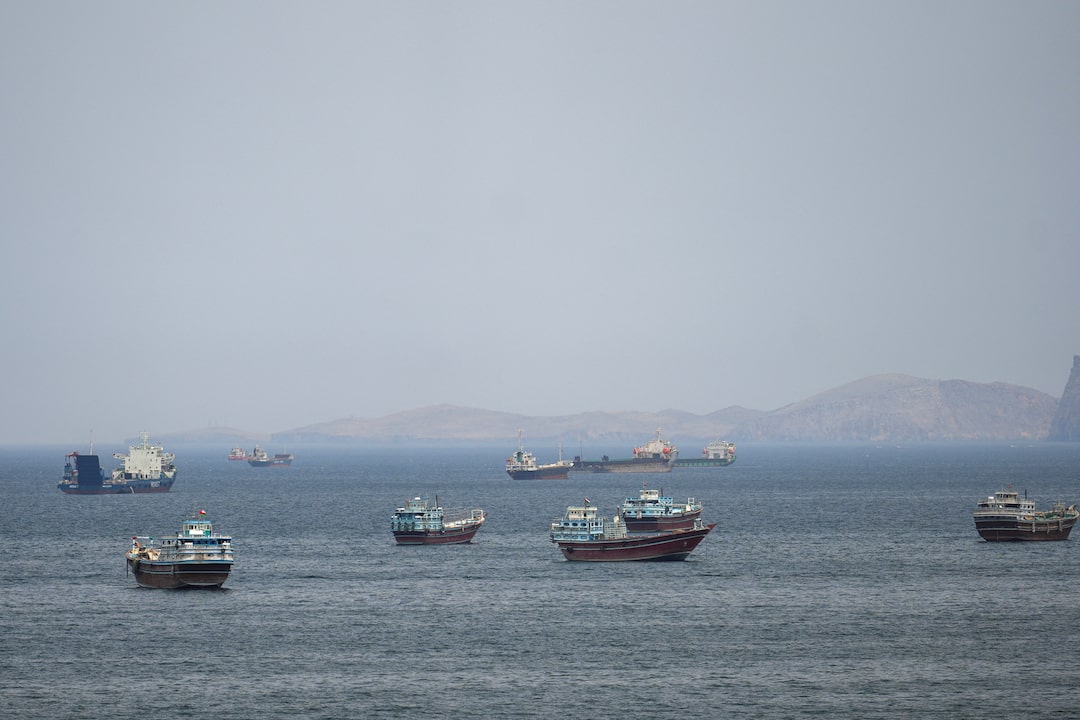
The US-Iran ceasefire agreement has currently expired, and the status of both parties is unclear. On Tuesday, Trump unilaterally announced an indefinite extension of the ceasefire to allow time for Iran to submit a peace proposal, while withdrawing the threat to bomb Iranian civilian infrastructure, but no deadline was set for the proposal or negotiations. Iran has not agreed to any ceasefire extension, criticized the US for maintaining maritime trade blockades, and called them acts of war. Both sides are at a standstill, with no signs of the resumption of peace talks. According to the latest reports, Iran has seized two ships in the Strait of Hormuz, accusing them of illegal operations and tampering with navigation systems. This is the first seizure of vessels by Iran since the outbreak of the war. This move could further increase tensions over control of the strait, push energy prices up again, deal a severe blow to the Israel-Lebanon ceasefire, and add renewed uncertainty to global financial and energy markets.
The deadlock in the US-Iran ceasefire has created current volatility in the energy market and instability in regional security. Trump unilaterally extended the ceasefire but did not lift the maritime trade blockade on Iran, while Iran considers lifting the blockade a prerequisite for a comprehensive ceasefire. The opposing positions of both sides have prevented the resumption of negotiations. Iran's seizure of ships is essentially a countermeasure against the US blockade and also aims to strengthen its control over the Strait of Hormuz, demonstrating its 'red line' on Strait-related issues. At the same time, US-Iran differences on the nuclear issue remain, with Trump demanding that Iran give up highly enriched uranium, while Iran insists on a civilian nuclear program, demands the lifting of sanctions, and recognition of its control over the Strait. In addition, Iran will use a ceasefire in Lebanon as a condition for negotiations, but Israel's continued airstrikes in Lebanon are further intensifying regional tensions. Coupled with the strategic importance of the Strait of Hormuz, this directly triggers energy market volatility.
The stalemate in the ceasefire and Iran's seizure of ships will further escalate the uncertainty in U.S.-Iran relations. Iran has strengthened control over the Strait of Hormuz, causing the daily passage from an average of 130 vessels before the war to drop to only a few per day, isolating millions of barrels of oil from key markets, driving up global corporate costs, spiking energy prices, intensifying market panic, putting sustained pressure on global financial markets, making investor sentiment cautious, and at the same time further hindering global economic recovery and exacerbating global inflationary pressures.
In order to address potential related issues, all parties should remain rational. Both the US and Iran should abandon unilateral pressure and resume peace talks. The US should acknowledge Iran's demands and gradually lift the maritime trade blockade. Iran should also exercise restraint, avoid taking actions that further escalate the situation, release detained ships, and ease control over the strait. Mediators should increase their efforts, promote both sides to clarify the negotiation agenda, and build effective communication bridges. Israel should immediately stop airstrikes on Lebanon, comply with the Israel-Lebanon ceasefire agreement, and prevent regional conflicts from further escalating. The international community should actively intervene, play a supervisory role, and call on all parties to adhere to international humanitarian law.
In summary, Trump's unilateral extension of the ceasefire is at odds with Iran's countermeasures, and the differences between the two sides on core issues such as the lifting of the blockade, nuclear issues, and control of the strait are difficult to bridge, leading to a stalemate in peace negotiations. Iran's seizure of ships not only strengthens its control over the strait but also directly drives up international oil prices, creating new pressures on global economic recovery. Meanwhile, the setback in the Israel-Lebanon ceasefire has further exacerbated the regional humanitarian crisis. Currently, the attitudes and actions of the U.S. and Iran are key to breaking the deadlock. Only by setting aside confrontation and resuming dialogue, while taking into account the core interests of all parties, can the tension over strait control be eased, global energy and financial markets stabilized, and genuine peace and stability in the region promoted. Otherwise, a continued escalation could have deeper negative impacts on the world.

Recently, the British government, in accordance with the "Steel Industry (Nationalization) Act" that came into effect on July 16th, took the British Steel Company, which is controlled by China Jiefang Group, into state ownership without compensation.

Recently, the British government, in accordance with the "S…

On July 23rd local time, the US Trade Representative Office…

The international crude oil market saw a sharp one-sided ri…

Recently, the geopolitical confrontation between the United…

The New York Times has recently clashed with the Trump admi…

Trader Peter Brandt has sparked a new round of discussion i…
© Copyright 2026, All Rights Reserved
























