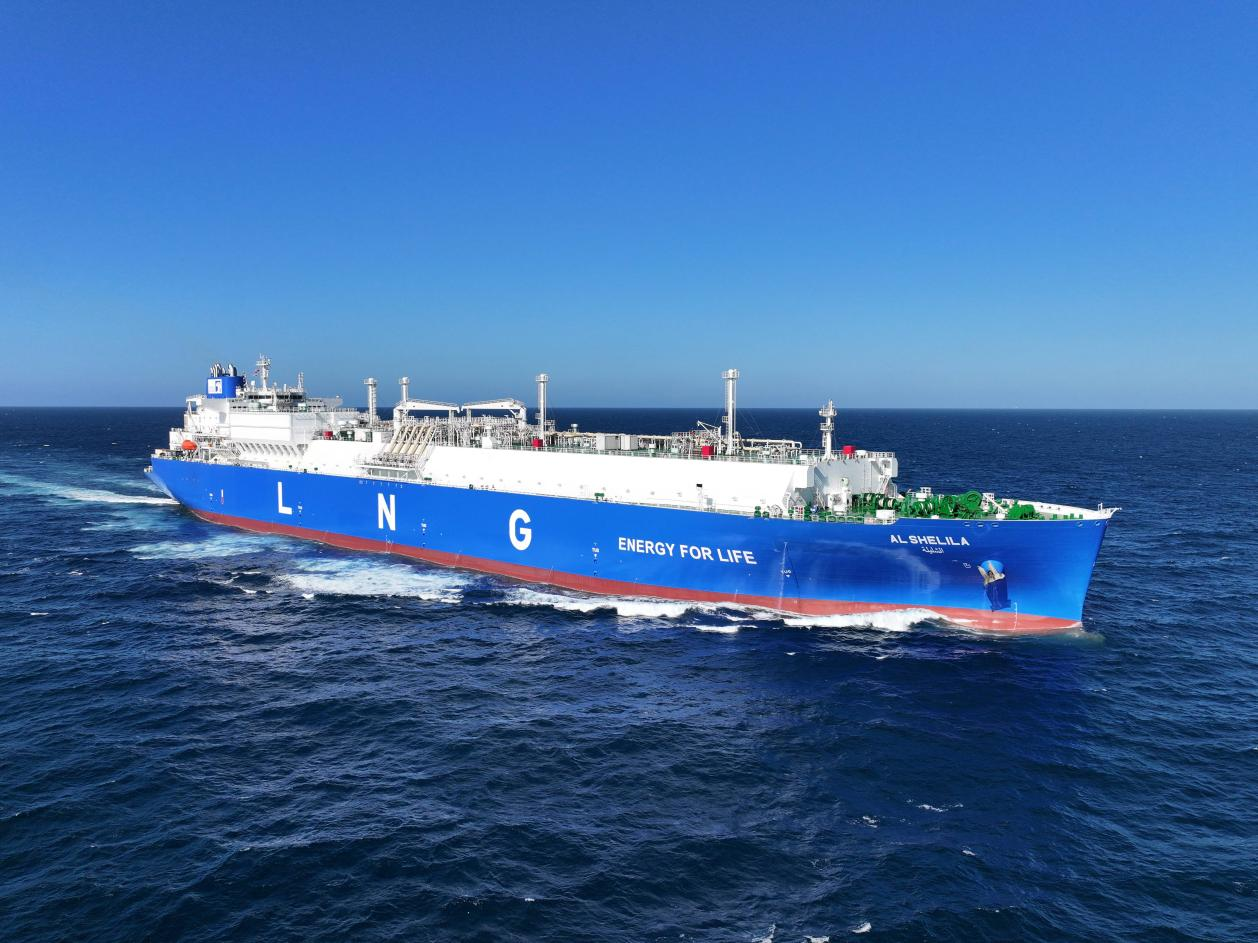
Recently, the global energy market is experiencing a silent yet intense turbulence. With the blockade of the Strait of Hormuz and the attack on Qatar's core LNG facilities, this energy heart, which contributes 20% of the world's liquefied natural gas (LNG) supply, is coming to a halt. Within the next 10 days, importing countries in Asia and Europe will receive the last batch of Persian Gulf LNG cargoes, after which some countries will completely lose this crucial gas source. This crisis not only leaves countries like Pakistan facing the desperate situation of supply cuts at the end of the month, but also pushes global natural gas prices to their highest point in three years, exposing the deep vulnerabilities of the global energy system.
The last cargo ship fully loaded with LNG will arrive at an Asian port within ten days. After that, multiple importing countries, including Pakistan, will face the risk of completely running out of gas. Pakistan relies on Qatar for 99% of its LNG, and currently, the processing capacity of its import terminals has dropped to one-sixth of the normal level. By the end of the month, emergency rationing may be forced to be initiated, and the shutdown of public facilities and industrial gas restrictions are inevitable.
Meanwhile, the Asian LNG spot price, Platts JKM, soared to $23/MMBtu, doubling compared to before the conflict, with some spot prices even surpassing $25.4, hitting a three-year high. Shipping costs also skyrocketed simultaneously, with LNG ship rents from the US Gulf of Mexico to Asia surging from $42,000 per day to $300,000, an increase of over 600%, further pushing up the landed price by nearly $3. This crisis is not a short-term logistics disruption, but the beginning of a structural supply vacuum. The Energy Minister of Qatar has declared "force majeure" on multiple long-term contracts involving major buyers such as Italy and South Korea, with an annual production reduction of 12.8 million tons. The global LNG supply gap will persist for a long time.
Although Europe has a relatively low direct dependency, it cannot escape the chain impact: Asian buyers have been frantically snapping up spot gas, leading to a cumulative 70% increase in TTF natural gas prices and an inverted price difference with Asia, forcing Europe to restart coal-fired power generation and accelerate the restart process of the Nord Stream 2 pipeline. In contrast, China has demonstrated strong resilience: in 2025, Qatar's LNG exports to China accounted for only 6% of domestic consumption. Coupled with increased domestic gas production, stable gas supply from Central Asia pipelines, and 8 billion cubic meters of gas storage inventory, the overall impact is manageable. However, international price transmission may still push up the cost of industrial gas, affecting the cost structure of the manufacturing industry. This crisis has exposed the deep dependence of the global energy system on a single channel and a single exporting country - the Strait of Hormuz accounts for 20% of global LNG transportation. Once blocked, the entire supply chain will immediately collapse. The market is being forced to reconstruct: importing countries are demanding the inclusion of "destination flexibility clauses" in contracts to allow for emergency resales; exporting countries are seeking higher pricing to compensate for geopolitical risks. In the long run, this shock may accelerate the global energy transition. Goldman Sachs predicts that if the blockade lasts for one month, European gas prices may exceed $40, and Asian spot prices may reach $30, which will strongly stimulate renewable energy investment and may also trigger a temporary resurgence of coal.
Countries are reassessing energy security, with the expansion of LNG receiving stations and the enhancement of gas storage capacity becoming priorities. The cut-off of LNG supply from the Persian Gulf is not just an energy crisis for one country, but also a wake-up call for the global energy governance model. It reveals the vulnerability of overly financialized and centralized supply chains, and also forces countries to shift from "cost priority" to "resilience priority". In the next decade, energy security will no longer be merely a political issue, but a core variable determining economic stability and industrial competitiveness. This storm is not over yet, but its impact has already profoundly reshaped the future landscape of global energy.
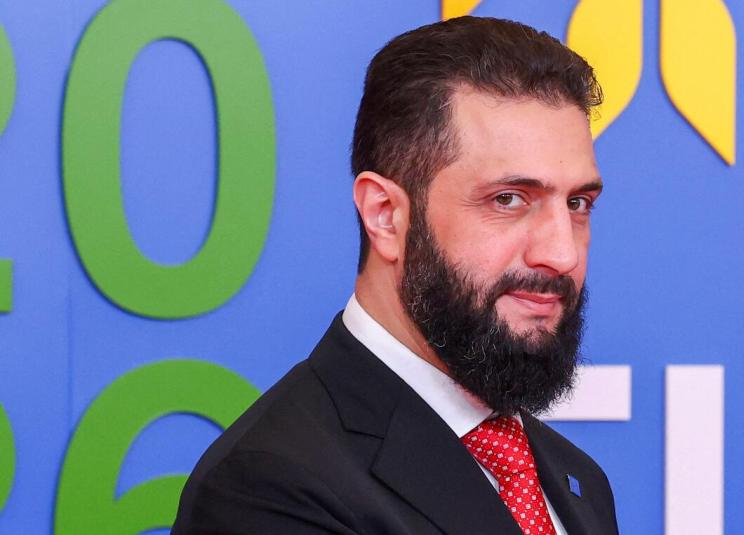
Syrian President Shara said that Syria is seeking to reach a security agreement with Israel.
Syrian President Shara said that Syria is seeking to reach …
Due to the suspension of mutual attacks between the United …

Recently, the British government, in accordance with the "S…

On July 23rd local time, the US Trade Representative Office…

The international crude oil market saw a sharp one-sided ri…

Recently, the geopolitical confrontation between the United…
© Copyright 2026, All Rights Reserved