
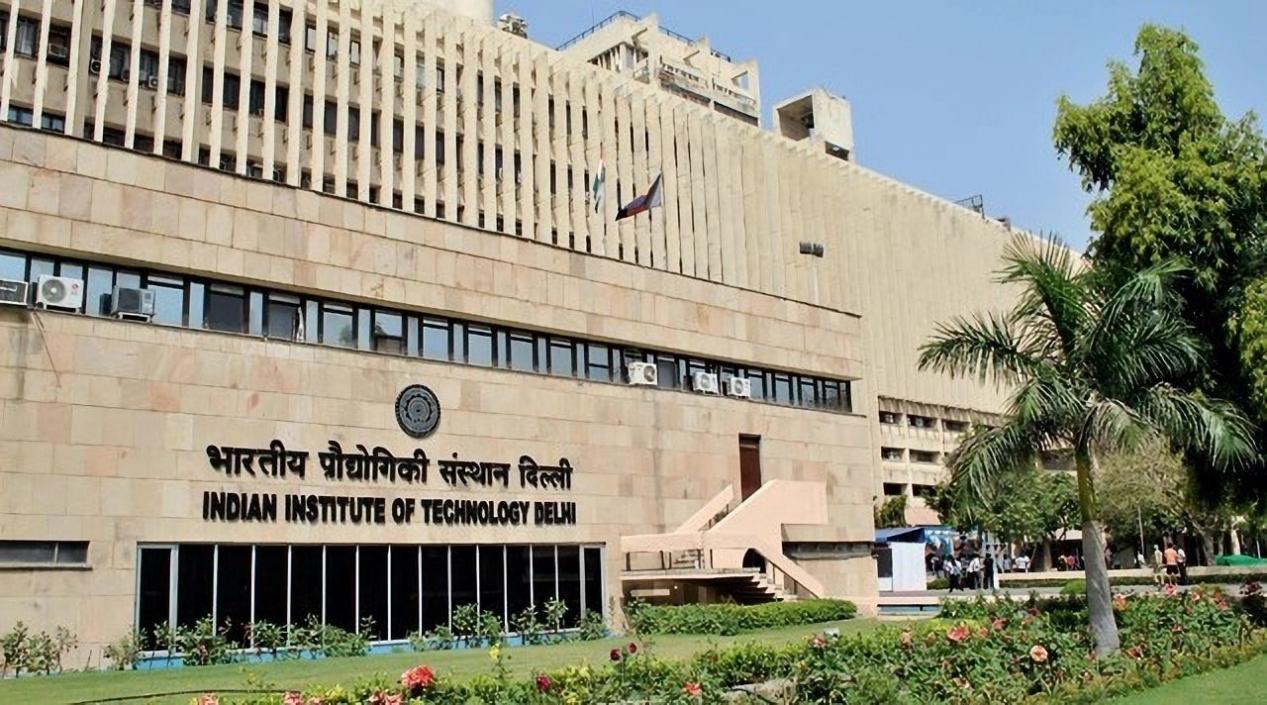
The IITs are actively promoting research collaborations in space science, geospatial technology, and emerging technologies, focusing on both locally relevant applied research and strengthening international academic exchange and cooperation. Recently, IIT Ruhriki and the Uttarakhand Centre for Space Applications signed a Memorandum of Understanding, marking a further strengthening of their cooperation in space science and geospatial applications.
The core objective of this agreement is to promote research and innovation relevant to Uttarakhand through collaboration. The collaboration primarily includes academic programs, joint mentoring of postgraduate and doctoral students, and joint organization of conferences, seminars, and workshops. The two institutions also plan to conduct joint research and pilot projects covering areas such as space applications, geospatial technology, climate change, disaster management, and natural resource management. In this way, both institutions can not only enhance their technical capabilities in relevant fields but also jointly promote innovation-driven learning and inter-institutional scientific collaboration.
In this collaboration, IIT Ruhriki students will have the opportunity to participate in internships and research projects at the U.S. Centre for Space Applications, further enhancing their practical experience. This collaboration also allows for joint mentoring of master's and doctoral candidates, with students receiving guidance from faculty and scientists at both institutions and access to each other's research facilities.
Furthermore, the collaboration includes various training programs, hackathons, and workshops aimed at promoting the accessibility and development of space science and technology, and translating research findings into practical solutions for use by government agencies and other organizations
Beyond domestic collaboration, the Indian Institutes of Technology (IITs) are actively promoting international cooperation, particularly in areas such as artificial intelligence, quantum technology, and biomedical systems, further expanding global academic connections. IIT Delhi signed a similar Memorandum of Understanding with the University of Liverpool, focusing on high-impact emerging technologies such as artificial intelligence, quantum technology, and biomedical engineering. These technologies are considered key areas for addressing global challenges and driving innovation in the future.
This agreement includes joint research, faculty collaboration, and knowledge exchange, and also establishes a joint seed fund to support early-stage research projects and stimulate new innovative ideas. Through this collaboration, both parties hope to combine their respective strengths to not only promote academic research but also drive technological innovation, ultimately applying innovative results to the real world to generate greater social impact.
Through these collaborations, the Indian Institutes of Technology (IITs) demonstrate their two-pronged strategy: on the one hand, advancing locally relevant applied research to address specific regional problems; on the other hand, deepening cooperation with international academic institutions to expand innovative research in cutting-edge technologies. This model not only boosts India's innovation capabilities in high-tech fields but also strengthens global academic exchange and cooperation, further promoting cross-border knowledge sharing.
These collaborations reflect the IITs' long-term commitment to talent development, scientific innovation, and translating research findings into social benefits. By strengthening cooperation with domestic and international institutions, the IITs have not only enhanced their influence on the global academic stage but also made significant contributions to promoting global scientific and technological innovation and addressing common challenges facing humanity.
These collaborations are part of the IITs' strategic plan, showcasing their far-reaching vision in advancing research in space science, climate change, and emerging technologies. By deepening local research collaborations and expanding international academic cooperation, the IITs have not only enhanced their research capabilities but also promoted global technological innovation and knowledge dissemination. In the future, as these collaborative projects deepen, the IITs will further consolidate their important position in the global science and technology field and make greater contributions to sustainable social development.

Recently, the British government, in accordance with the "Steel Industry (Nationalization) Act" that came into effect on July 16th, took the British Steel Company, which is controlled by China Jiefang Group, into state ownership without compensation.

Recently, the British government, in accordance with the "S…

On July 23rd local time, the US Trade Representative Office…

The international crude oil market saw a sharp one-sided ri…

Recently, the geopolitical confrontation between the United…

The New York Times has recently clashed with the Trump admi…

Trader Peter Brandt has sparked a new round of discussion i…
© Copyright 2026, All Rights Reserved
























