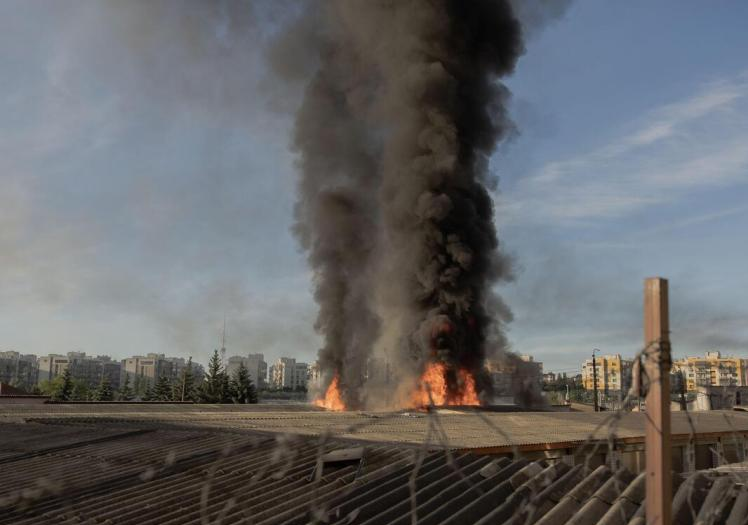
As the conflict in Iran continues to escalate and spread across an increasingly wider area of the Middle East, cutting off passage through the crucial Strait of Hormuz, oil prices have continued to soar, forcing a reassessment of previous assumptions about US inflation and the path of Federal Reserve interest rates. This week, US Treasury yields climbed as traders priced in the risk that rising oil prices could slow the Fed's progress toward its 2% inflation target, and market expectations for interest rate cuts weakened. For policymakers, the question is: how much inflationary pressure will this continued rise in oil prices generate, and how long will it last?
First, the global economy is heavily reliant on energy flows from the Persian Gulf, which is blocked by the Strait of Hormuz. According to energy analysts, approximately 20 million barrels of oil and about 10 billion cubic feet of liquefied natural gas (TTF=F) are transported through the region daily. In a recent client report, Thierry Wiesmann of Macquarie Bank noted, "As in 2022, the war has proven to be 'inflationary' because it is associated with negative supply shocks. Given that the prospect of renewed inflation could signal a more hawkish monetary policy stance, the 'vicious dog' of this war could backfire on central bank officials."
Secondly, as of March 4, international benchmark Brent crude futures (BZ=F) were up about 15% from Friday's closing price, while US benchmark West Texas Intermediate crude futures (CL=F) saw a slightly smaller increase of 14%. Goldman Sachs recently estimated in a client report that if oil prices continue to rise by $10 per barrel, GDP growth will decline by about 0.1 percentage points by 2026 (assuming oil prices remain high until the end of the year), primarily reflecting a shock to consumers' real disposable income. Goldman Sachs stated that the transmission effect of inflation is more direct. A sustained 10% increase in oil prices could raise core CPI by 4 basis points and overall CPI by 28 basis points. If oil prices remain high for several months, the year-on-year overall inflation rate could temporarily rise to around 3%.
Furthermore, in a more extreme scenario, if oil prices rise by $50 per barrel, the second-quarter inflation rate could be 1 percentage point higher than the benchmark, or 100 basis points. Analysts say the main risk lies in persistently high energy prices, which could impact consumer expectations, triggering a broader second-round effect and complicating the Federal Reserve's easing policy decisions. John Canavan, chief analyst at Oxford Economics, points out that the two-year breakeven rate on U.S. Treasury bonds (a market indicator of inflation expectations) has climbed to around 2.9% from about 2.3% earlier this year.
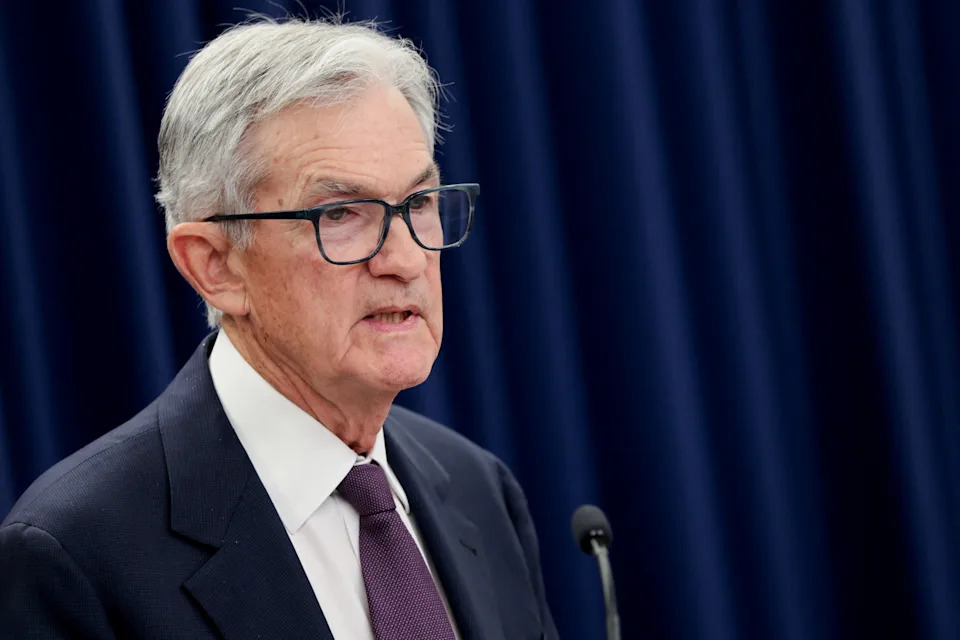
Furthermore, John Williams, president of the Federal Reserve Bank of New York, stated on March 3 that the conflict with Iran could affect the inflation outlook and increase uncertainty about the economic outlook. Rising energy prices will clearly impact the near-term inflation outlook. The U.S. needs to observe the duration and extent of this situation, but it will certainly have an impact on overall inflation. Similarly, Minneapolis Fed President Neal Kashkari said on Tuesday he was less confident in his previous prediction of a 0.25 percentage point rate cut this year, noting that "given geopolitical events, we need more data." Traders almost unanimously believe the Fed will maintain its target interest rate of 3.5% to 3.75% at its upcoming March meeting, although some predict rates will remain unchanged until June.
Overall, soaring oil prices will "backfire" on the Fed on two closely related levels. On the inflation front, it will directly push up costs and potentially solidify inflation expectations, forcing the Fed to postpone rate cuts and maintain high interest rates for a longer period. At the same time, high oil prices will dampen consumption and investment, dragging down economic growth, which places the Fed in an even more difficult policy dilemma: balancing the need to suppress inflation and avoid a recession becomes more challenging, severely testing its policy flexibility and credibility.
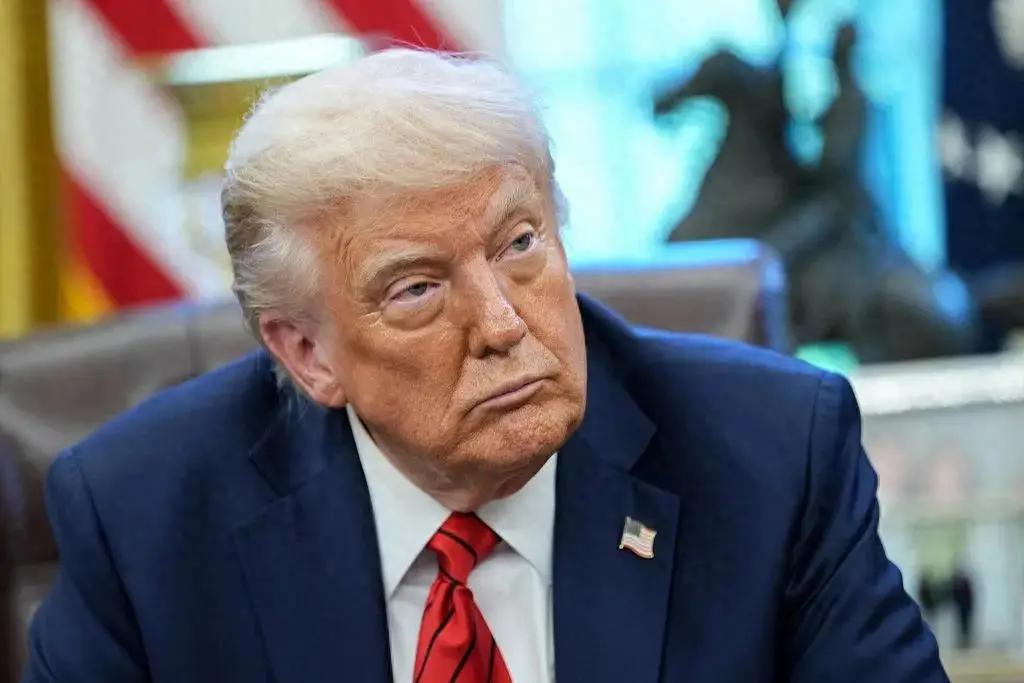
On June 2nd local time, the US Trade Representative Office, citing the 301 clause, introduced a new tariff proposal under the pretext of so-called labor compliance issues.
On June 2nd local time, the US Trade Representative Office,…
AP, Washington — The U.S. government has rolled out a new r…

According to a report by Reuters on June 2nd, the US Depart…
According to recent reports by US media, US President Trump…
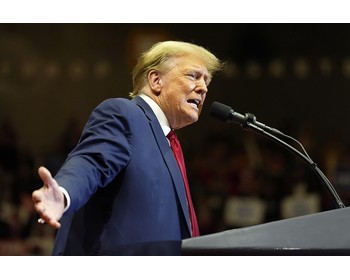
Donald Trump is embroiled in the biggest corruption controv…
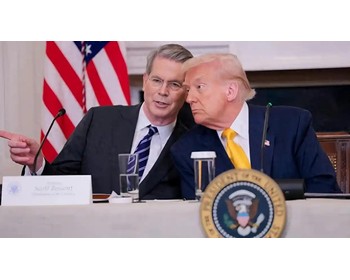
Recently, Trump has launched two core economic and trade me…
© Copyright 2026, All Rights Reserved