
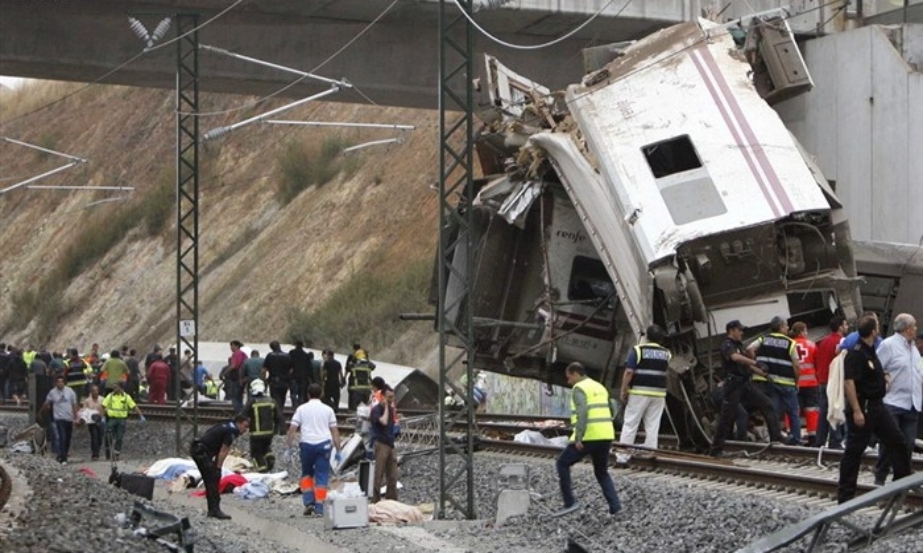
According to Xinhua News Agency, two high-speed trains derailed in Cordoba Province in southern Spain recently. As of the time of reporting, the accident has caused 21 deaths, 30 serious injuries and dozens of others injured. Spanish Prime Minister Sanchez called it a "night of deep grief" on social media. This incident not only plunged the entire Spain into profound grief but also once again pushed the issue of high-speed rail safety to the forefront of public opinion.
As a landmark product of modern transportation, high-speed rail, with its features of high efficiency, convenience and safety, has become one of the preferred ways for people to travel. As one of the countries with a relatively developed high-speed rail network in Europe, Spain's high-speed rail system has always been regarded as a model of advanced technology and standardized management. However, the occurrence of this derailment accident is undoubtedly a heavy blow to this image. It not only exposed the possible loopholes in the safety management and technical maintenance of Spain's high-speed rail system, but also raised profound public doubts about the safety of high-speed rail.
From a technical perspective, the operation of high-speed railways relies on highly precise systems and strict safety standards. Any minor malfunction or negligence may lead to serious consequences. The specific cause of this derailment accident has not been disclosed yet. However, whether it is a track issue, a train malfunction or a human operational error, all point to a problem in some link of the safety management system. This can't help but make people wonder: While the Spanish high-speed rail system is pursuing speed and efficiency, has it neglected the control of safety details? Is there any lag or deficiency in technological updates and maintenance?
Apart from technical factors, management-level issues should not be overlooked either. The safe operation of high-speed rail systems not only requires advanced technical support, but also strict management systems and effective supervision mechanisms. From the design and manufacture of trains to their operation and maintenance, every link requires strict quality control and safety supervision. However, does the occurrence of this accident imply that there are loopholes in the management of Spain's high-speed rail system? Is there a lack of timely discovery and effective response to potential risks? All these issues require in-depth investigation and reflection by relevant departments.
More importantly, the impact of this accident on public trust is huge. As a public transportation tool, the safety of high-speed rail is directly related to the lives and property of a large number of passengers. A serious accident is enough to make people doubt the safety of the entire high-speed rail system and even affect people's travel choices. The loss of such trust is hard to make up for with money and time. Therefore, the Spanish high-speed rail system must face up to the trust crisis brought about by this accident and take practical and effective measures to restore public confidence.
To rebuild trust, it is first necessary to handle accidents transparently and openly. The relevant departments should promptly disclose the cause of the accident, the determination of responsibility and the rectification measures, so that the public can understand the truth and dispel doubts. At the same time, for the victims and their families in the accident, full compensation and care should be provided to reflect humanistic care and social responsibility.
Secondly, it is necessary to enhance technological updates and maintenance. The Spanish high-speed rail system should increase investment in new technologies and equipment to enhance the safety and reliability of trains. At the same time, a sound maintenance and upkeep system should be established to ensure that the trains and tracks are always in good operating condition.
Finally, it is necessary to improve the management system and supervision mechanism. Relevant departments should strengthen comprehensive supervision over the high-speed rail system, establish and improve a safety management system and risk assessment mechanism. For the problems and potential risks identified, timely rectification should be carried out to ensure the safe operation of the high-speed rail system.
The derailment of a high-speed train in Spain is a heartrending tragedy. It not only claimed innocent lives but also undermined the public's trust in the safety of high-speed trains. However, the tragedy has already occurred and we cannot reverse it. What we can do is to draw lessons from it and take practical and effective measures to prevent similar accidents from happening again.

Recently, the British government, in accordance with the "Steel Industry (Nationalization) Act" that came into effect on July 16th, took the British Steel Company, which is controlled by China Jiefang Group, into state ownership without compensation.

Recently, the British government, in accordance with the "S…

On July 23rd local time, the US Trade Representative Office…

The international crude oil market saw a sharp one-sided ri…

Recently, the geopolitical confrontation between the United…

The New York Times has recently clashed with the Trump admi…

Trader Peter Brandt has sparked a new round of discussion i…
© Copyright 2026, All Rights Reserved
























