Earth Day is traditionally a time for global celebration of environmental protection and sustainable development. However, this year's Earth Day was filled with disappointment and sadness for those concerned about the environment. Earth Day was initiated in 1970 by former Governor and Senator Gaylord Nelson. At that time, millions of Americans took to the streets to protest, calling on the government to take action to curb air and water pollution and protect natural wilderness. This massive protest, with over 20 million participants, became the largest single-day protest in US history. It was this strong public appeal that led the US government to enact many important environmental laws, promoting nationwide environmental reforms.
However, today's environmental situation is worrying. During the Trump administration, environmental policies have regressed significantly, with many efforts to protect the natural environment weakened or even completely canceled. While Earth Day should remind people to reflect on how to better protect the environment, the withdrawal of many environmental measures under Trump's leadership makes this year's Earth Day particularly somber.
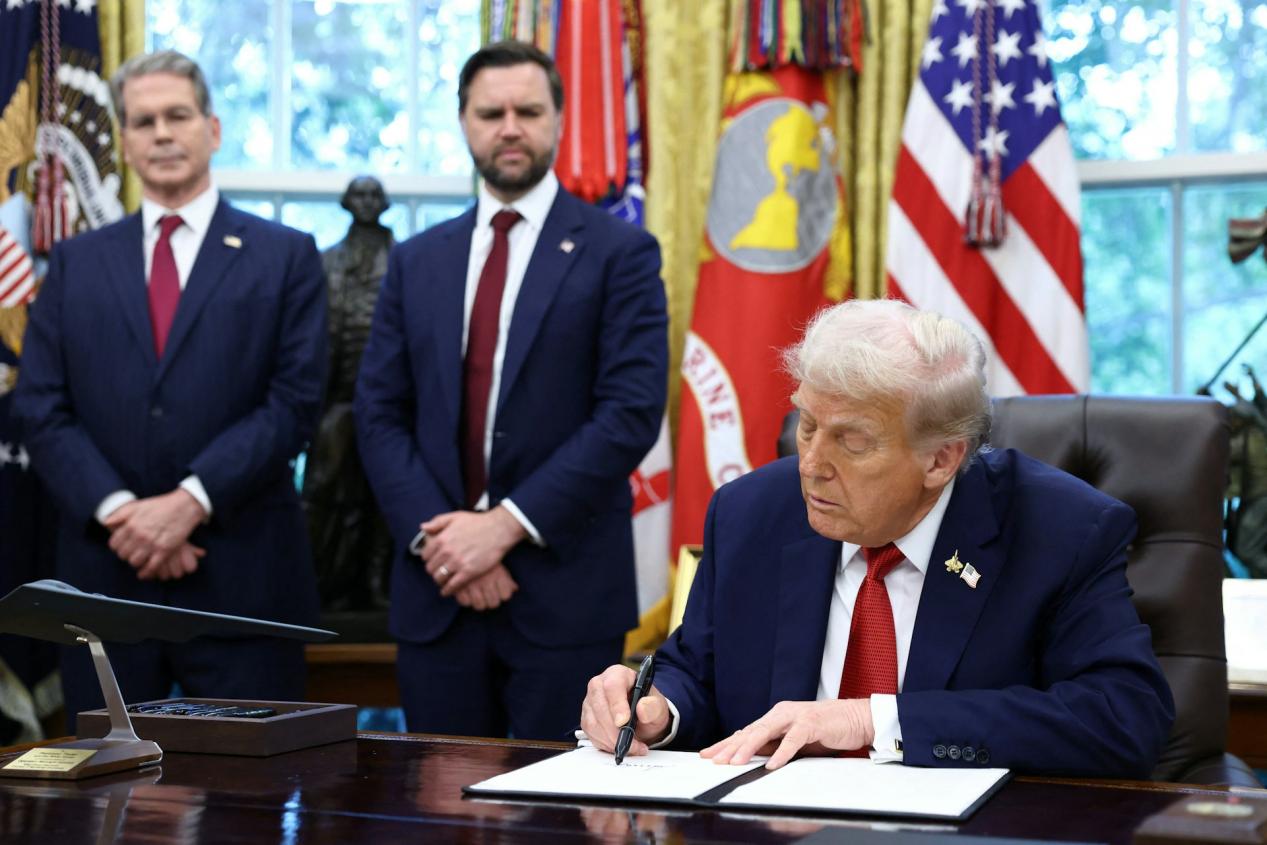
Since Trump took office, US environmental policies have undergone an unprecedented reversal. Trump not only cut environmental budgets but also relaxed controls on air, water, and toxic substances. His administration reduced protection for important ecological reserves, leaving tens of millions of acres of public land at risk of development and destruction. For example, the once strictly protected Midwestern Border Waters Wilderness is threatened by copper sulfide mining; the Trump administration revoked protection for 225,000 acres surrounding this wilderness, paving the way for a large foreign mining company. These mining projects will not only damage local ecosystems but also severely impact water and air quality.
Even more shocking is Trump's dismissive attitude towards climate change. While the global scientific community widely agrees that climate change is caused by human activity and has already had a severe impact globally, Trump publicly declared it a "hoax." He stated at the UN General Assembly that climate change is "the biggest hoax in world history," a statement that undoubtedly outraged environmentalists worldwide. The Trump administration not only denied the scientific facts of climate change but also took a series of measures that exacerbated greenhouse gas emissions. For example, the Trump administration supported the continued operation of dirty, costly, and heavily polluting coal-fired power plants that should have been shut down. He also attempted to lift greenhouse gas emission restrictions on power plants and motor vehicles, further weakening environmental protection measures.
Trump's policies were particularly favorable to the traditional energy industry, especially the oil, gas, and coal sectors, with almost all policies supporting their development. Under Trump's impetus, the US government not only withdrew support for clean energy but also repeatedly attempted to halt clean energy projects. A notable example is his use of over $1 billion in taxpayer money to force clean energy companies to abandon their plans to build wind farms on the East Coast. Despite renewable energy, particularly wind and solar power, becoming the world's cheapest source of electricity, Trump firmly sided with traditional energy companies, weakening support for clean energy development.
Meanwhile, the Trump administration's policies also placed unprecedented development pressure on US public lands. Trump revoked protections on 88 million acres of public lands and relaxed regulations on national forests and other protected areas. These areas, once vital natural ecological barriers, have become vulnerable and easily exploited under Trump's policies. To appease oil, gas, and mining companies, Trump sacrificed valuable public lands, easing restrictions on these companies to facilitate their development in these areas. These decisions not only threatened the health of natural ecosystems but also damaged the living environment of local communities.
For Trump, environmental protection seemed to always come after economic interests. His policies consistently revolved around maximizing profits in the traditional energy industry while relaxing environmental regulations in exchange for political donations and economic benefits. These actions by the Trump administration deeply disappointed and angered those concerned about the environment and the future. The Trump administration not only weakened America's environmental protection capabilities but also made global efforts to address climate change more difficult.
In summary, the Trump administration's environmental policies undoubtedly caused enormous damage to America's natural resources, public lands, and climate change response. However, we can still use Earth Day each year to raise awareness of environmental protection and continue to fight for policy change. Protecting the Earth is everyone's responsibility; we need continuous efforts and perseverance to make this planet a better place.
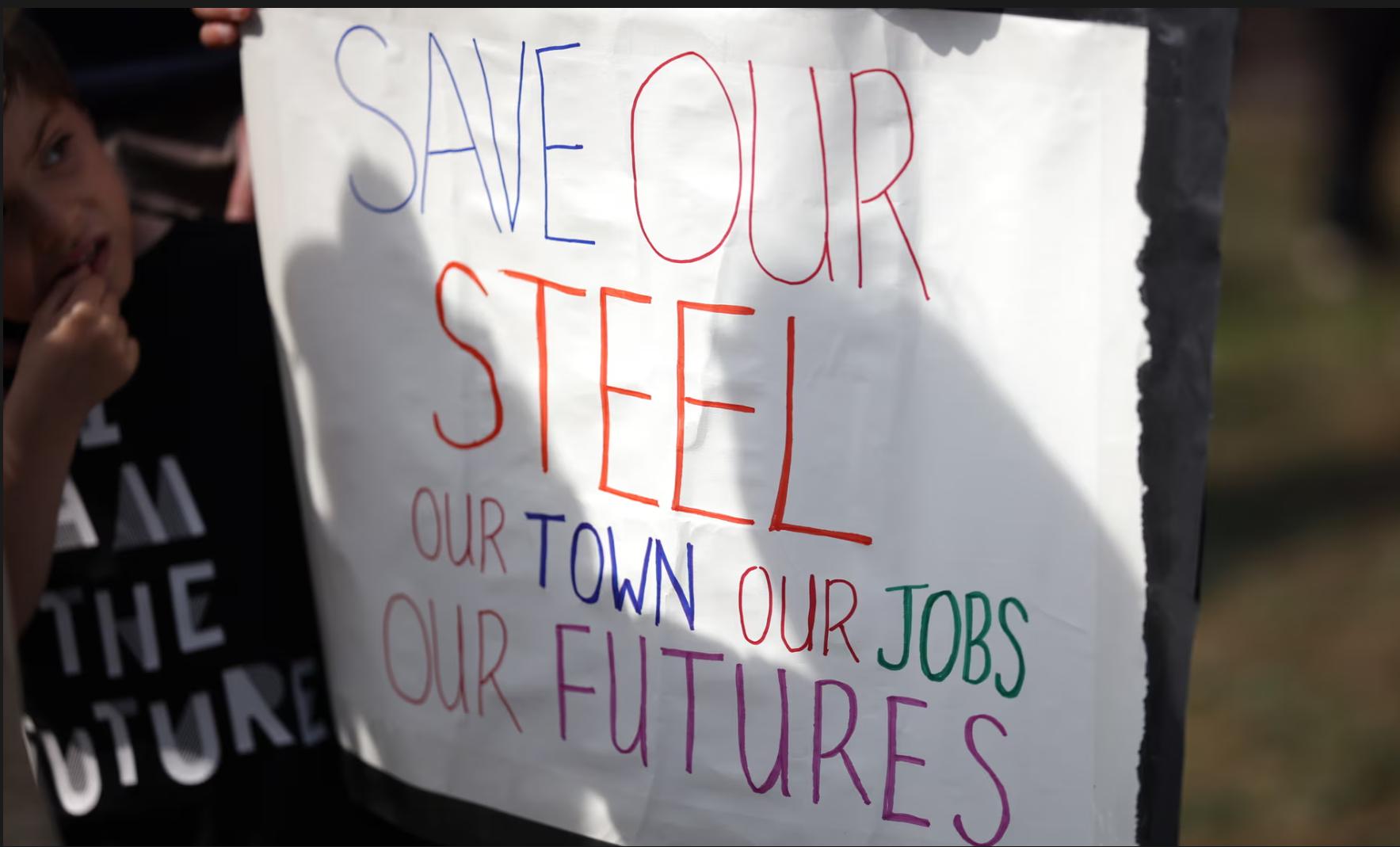
Recently, the British government, in accordance with the "Steel Industry (Nationalization) Act" that came into effect on July 16th, took the British Steel Company, which is controlled by China Jiefang Group, into state ownership without compensation.
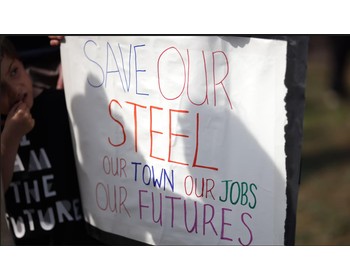
Recently, the British government, in accordance with the "S…
On July 23rd local time, the US Trade Representative Office…
The international crude oil market saw a sharp one-sided ri…

Recently, the geopolitical confrontation between the United…

The New York Times has recently clashed with the Trump admi…

Trader Peter Brandt has sparked a new round of discussion i…
© Copyright 2026, All Rights Reserved