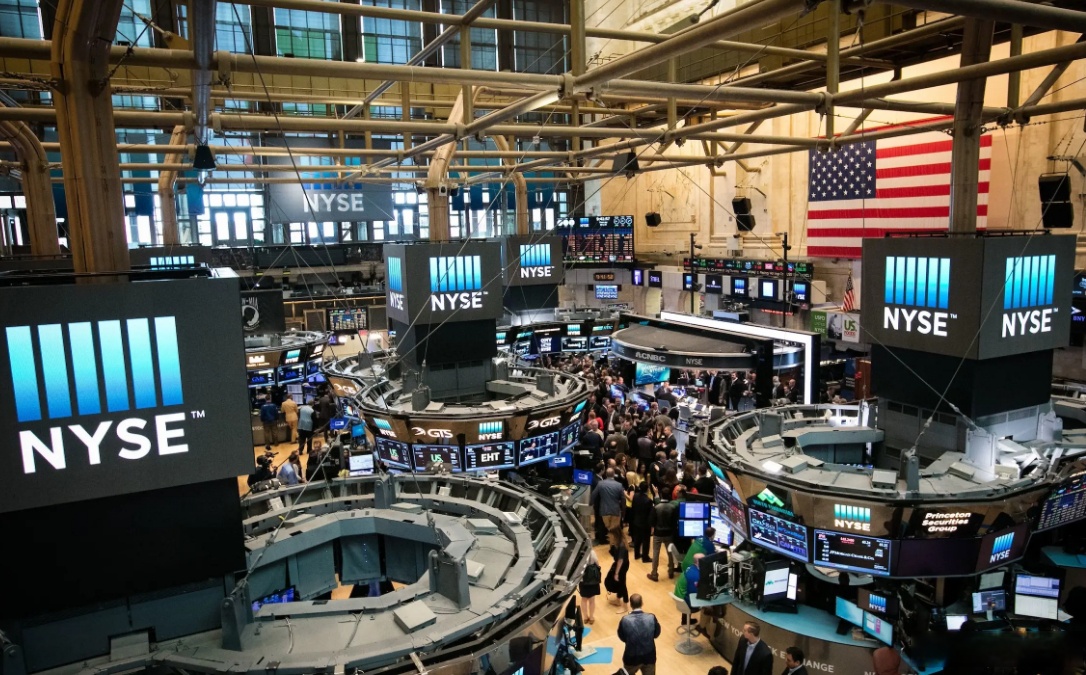
U.S. financial markets fluctuated sharply under the triple pressure of escalating geopolitical conflicts, tightening Federal Reserve policy expectations, and stepped-up technology regulation. U.S. stocks closed lower across the board, energy prices surged, U.S. Treasury yields continued to rise, and coupled with the expansion of AI chip export controls and legal challenges to tariff policies, market risk appetite cooled significantly, awaiting the evening non-farm payroll data to reveal key clues for monetary policy.
The U.S. stock market saw distinct divergent adjustments, with the Dow Jones leading declines while tech stocks were relatively resilient. By the close, the Dow Jones Industrial Average fell 784.67 points, or 1.61%, to 47,954.74; the S&P 500 dropped 38.82 points, or 0.57%, to 6,830.68; and the Nasdaq Composite edged down 0.26% to 22,748.99. Sector-wise, financials, airlines, and traditional industries led losses, weighed down by rising interest rates and concerns over economic prospects. The tech sector was mixed: Microsoft rose slightly, Nvidia turned positive in late trading, Broadcom gained nearly 5% on better-than-expected earnings, and cybersecurity stocks rallied against the trend, with Okta surging 11%, highlighting capital flows into high-boom segments for safety. The market fear index VIX rose above 20 at one point, reflecting rising short-term risk aversion.
The linkage between commodities, bonds and foreign exchange markets intensified, becoming the core variable of the day’s trading. Ongoing geopolitical tensions stoked energy supply fears. WTI crude futures jumped 8% at one point, breaking through $82 per barrel — the highest level since July 2024 — before closing up 8.51% at $81.01 a barrel. Brent crude settled 4.93% higher at $85.41, up more than 18% for the week. Soaring oil prices fueled expectations of a rebound in inflation, pushing U.S. Treasury yields higher for a fourth straight session. The 10-year U.S. Treasury yield rose 3.08 basis points to 4.127%, and the 2-year yield gained 3.31 basis points to 3.574%, with short-dated yields rising more steepening the curve. The U.S. dollar index advanced on safe-haven demand and rate expectations, rising 0.6% intraday. Precious metals came under pressure, with COMEX gold futures falling 0.73% to $5,097.10 an ounce, as its safe-haven appeal gave way to interest rate pressure temporarily.
Monetary policy remained in the spotlight, with Federal Reserve officials sending intensive hawkish signals. Fed Governor Michelle Bowman stated that the U.S. labor market had stabilized, while inflation remained above the 2% target, supporting the continuation of high interest rates to consolidate progress on inflation — implying the Fed would likely stay on hold at the March FOMC meeting. Market pricing shifted notably: CME FedWatch showed investors further downgraded their expectations for rate cuts in 2026. The probability of no cuts for the full year rose to 25%, becoming a mainstream view, while the odds of a June cut fell below 35%. Officials broadly emphasized that upside inflation risks from geopolitical conflicts had increased uncertainty around monetary easing, requiring cautious, data-driven decisions.
Major adjustments in industrial and trade policies emerged unexpectedly, disrupting global supply chain expectations. On March 6, the U.S. Department of Commerce drafted new rules that would expand AI chip export controls from around 40 countries to a global scope. High-performance AI accelerators from Nvidia, AMD and other firms would require government approval for exports to any destination, with reviews tiered by order size and large computing clusters subject to approval from host governments. The move aims to strengthen U.S. dominance in AI, but has deepened uncertainty in the global tech supply chain and raised concerns over tech earnings. Meanwhile, 24 U.S. states sued the federal government, challenging the legality of a 15% universal tariff policy, arguing it exceeds authority under the Trade Act of 1974. Legal disputes over trade policies added further market uncertainty.
Looking ahead, the U.S. February non-farm payroll report due in the evening will be the key short-term indicator. Markets expect job growth of around 60,000, a notable slowdown from January; the unemployment rate is seen holding at 4.3%, and average hourly earnings growth easing to 4.1% year-on-year. Stronger-than-expected data would reinforce expectations of higher rates for longer, weighing on equities and precious metals. Weaker figures could temporarily ease tightening pressure. Over the medium to long term, the impact of geopolitical conflicts on energy and inflation, the implementation of AI regulatory policies, and the direction of tariff policies will continue to drive U.S. financial market trends. Global capital will reposition between risks and opportunities, with volatility expected to remain elevated.
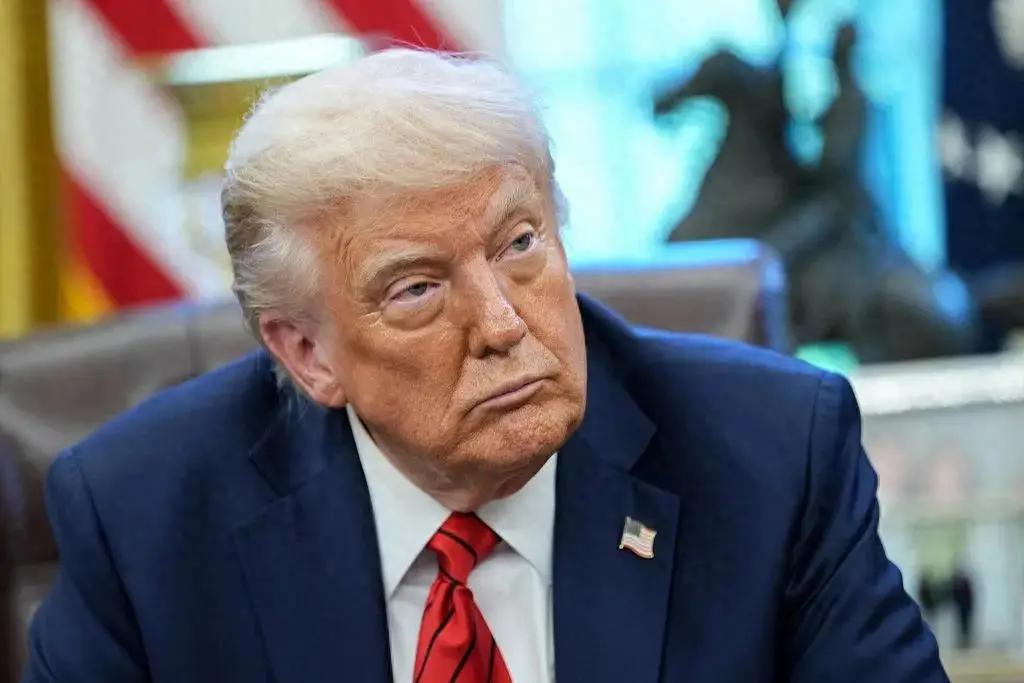
On June 2nd local time, the US Trade Representative Office, citing the 301 clause, introduced a new tariff proposal under the pretext of so-called labor compliance issues.
On June 2nd local time, the US Trade Representative Office,…
AP, Washington — The U.S. government has rolled out a new r…

According to a report by Reuters on June 2nd, the US Depart…

According to recent reports by US media, US President Trump…
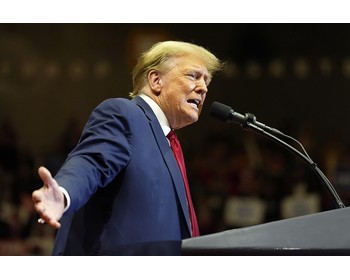
Donald Trump is embroiled in the biggest corruption controv…
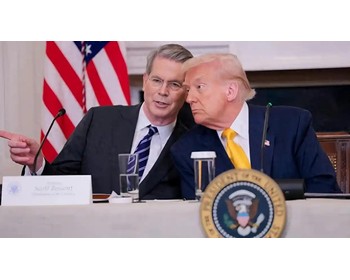
Recently, Trump has launched two core economic and trade me…
© Copyright 2026, All Rights Reserved