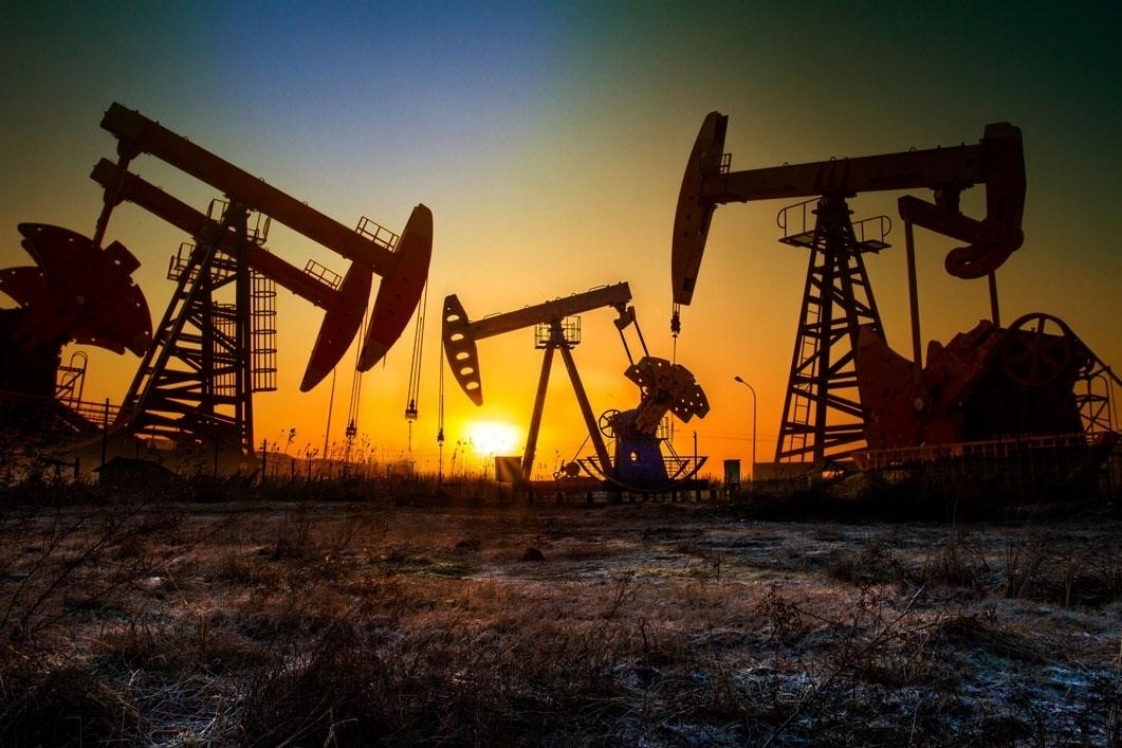
Recently, the international crude oil market has once again been plunged into intense fluctuations due to regional conflicts, with the oil price climbing to $88.20 per barrel, a significant increase of over $20 compared to the pre-war level. This change not only triggers market concerns over inflation but also directly impacts the economic effects of the tax reform bill vigorously promoted by the Trump administration. From a financial perspective, the interaction between the rising oil price and the tax reform policy reveals the vulnerability in the policy design and the potential deviation in the market's expectations of the macroeconomy.
The erosion of the fiscal gains from tax reform by rising oil prices has become evident. According to Raymond James, if oil prices remain $20 above the pre-war benchmark, the fiscal effect of personal tax cuts in the "Grand Bargain" by 2025 - including reduced withholding and increased refunds - will be almost completely offset. Data from the Tax Foundation shows that the bill is expected to reduce personal taxes by $129 billion in 2025, but for every $20 increase in oil prices, consumer spending at gas stations will increase by $150 billion. This means that the current oil price level has significantly reduced the fiscal stimulus effect of the tax reform and may even turn it negative. More alarmingly, according to Wolfe Research, only when oil prices consistently break through $100 per barrel will there be a substantial impact on consumer spending. However, historical experience shows that oil price fluctuations caused by geopolitical conflicts often have a lag. After the 1990 Gulf War and the 2022 Russia-Ukraine conflict, it took about six months for oil prices to return to pre-conflict levels. If the subsequent impact of this conflict persists, the possibility of long-term high oil prices cannot be ignored, and the fiscal gains from the tax reform may face even greater risks.
Market expectations that tax rebates will boost consumption may be dashed by high oil prices. As Americans start to receive their tax rebates, Citadel Securities predicts that 75% of the rebates will have been distributed by May 1. However, Gabriel Sachin, CEO of Falcon Wealth Planning, warns that if oil prices remain high, the rebate money could be entirely spent on energy, failing to translate into increased spending in other areas. This view contrasts with the optimism of Dan Niles of Niles Global Investment Management, who argues that the economy did not fall into recession when oil prices were at similar levels in 2022-2023, and thus the current inflation rate of 3% and oil price below $100 suggest limited recession risk. However, Stephanie Rosen, chief economist at Wolfe Research, counters that the current economic environment is fundamentally different from four years ago: core inflation has dropped from 5.5% to 3%, and new job creation has plummeted from 500,000 per month to 37,000. These structural changes mean that relying solely on historical comparisons may underestimate the risks.
The weakening impact of tax reform stimulus on the divergence between the stock market and the real economy also needs attention. Strategist Tavis McCourt believes that even if the tax reform stimulus effect falls short of expectations, its impact on the economic outlook for 2026 is limited, especially for the stock market. He points out that the stock market has not fully reflected the expectation of a significant increase in consumer spending, and non-essential consumer stocks have underperformed the S&P 500 index in 2026. However, this optimism overlooks the interplay between the real economy and financial markets. If high oil prices continue to cause a shift in consumption patterns - for instance, consumers reduce spending on non-essential items to cope with rising energy costs - the performance of non-essential consumer stocks may be further pressured, thereby dragging down the overall market performance. McCourt also emphasizes that as long as the labor market remains stable, the economy may be able to withstand the weakening stimulus and the rise in oil prices. But history shows that a sustained decline in consumer spending is often accompanied by an increase in the unemployment rate. Although there is no large-scale unemployment in the current job market, the slowdown in the growth rate of new jobs has already emerged. If combined with rising energy costs, a shift in the consumption pattern may be inevitable.
The interaction between the rise in oil prices and tax reform policies has revealed the fragility of current macroeconomic policies. Policy designers need to be vigilant that the prolongation of geopolitical conflicts may significantly reduce the effectiveness of fiscal stimulus, and the market's reliance on historical experience may mask the risks of structural changes. For investors, it is necessary to reevaluate the actual impact of tax reform policies on consumption and the stock market to avoid overly optimistic expectations. Under the dual pressure of energy price fluctuations and economic transformation, the stability of financial markets is facing a severe test.
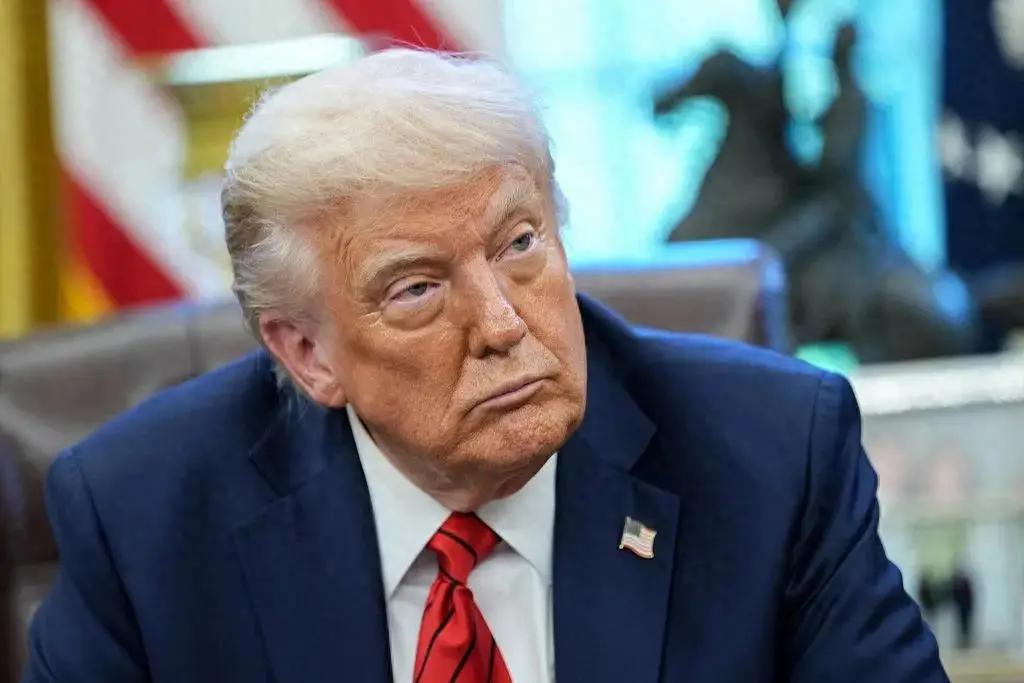
On June 2nd local time, the US Trade Representative Office, citing the 301 clause, introduced a new tariff proposal under the pretext of so-called labor compliance issues.
On June 2nd local time, the US Trade Representative Office,…
AP, Washington — The U.S. government has rolled out a new r…

According to a report by Reuters on June 2nd, the US Depart…

According to recent reports by US media, US President Trump…
Donald Trump is embroiled in the biggest corruption controv…

Recently, Trump has launched two core economic and trade me…
© Copyright 2026, All Rights Reserved