The Strait of Hormuz, the "throat" of global energy transportation, carries about 20% of the world's crude oil and 30% of liquefied natural gas transportation volume, and its traffic dynamics directly affect the international energy landscape and geopolitical trends.
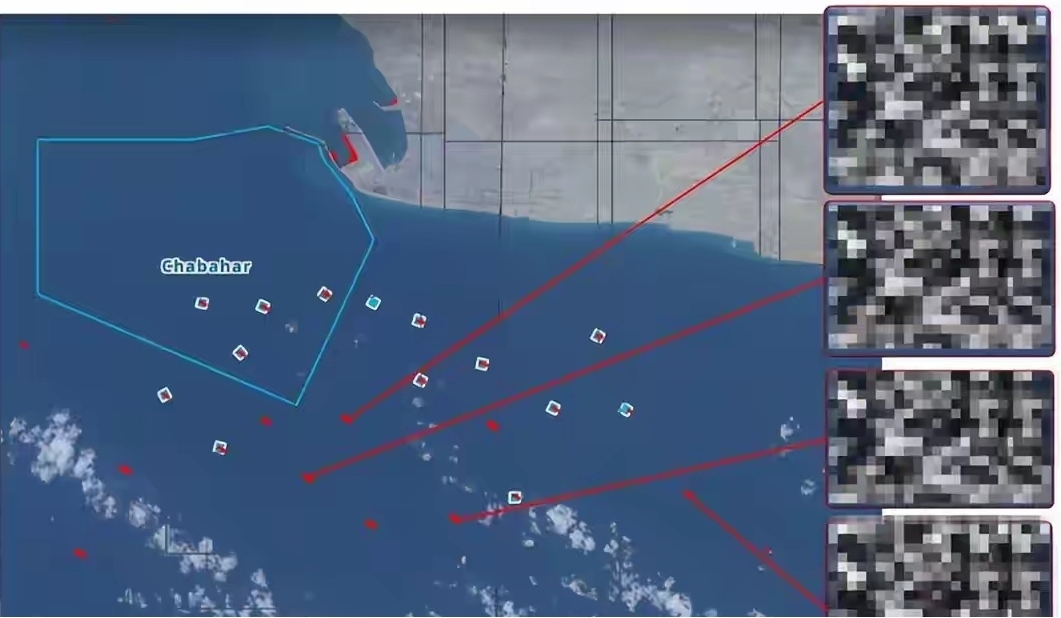
In April and May 2026, after the escalation of the US Iran military standoff, the open navigation volume in the strait sharply dropped to one sixth of pre war levels. Dark ships (turning off AIS stealth navigation) and shadow fleets (disguising identities to evade supervision) emerged in concentration: the activity of dark ships surged by nearly 600% in a single month. In early May, out of 167 transit ships in a single day, 146 were turned off AIS, accounting for as much as 87.4%. This "invisible fleet" that is detached from international regulation is not simply a chaotic shipping situation, but an inevitable result of the interweaving of unilateral sanctions, geopolitical games, regulatory failures, and energy interests, reflecting the deep cracks in the global energy order and shipping governance system.
The rise of the Shadow Fleet is essentially a "survival channel" forced by Western unilateral sanctions. In 2018, the United States withdrew from the Iran nuclear agreement and restarted sanctions on Iran's energy. In 2022, after the Russia-Ukraine conflict, the United States imposed price limits and embargoes on Russian oil, directly promoting the birth of the shadow fleet and promoting its explosive growth. Iran has built an exclusive shadow fleet of over 420 ships to break through the blockade, including 230 ships that provide targeted services to the China Iran route, transporting over 1.2 million barrels of crude oil per day and supporting Iran's economic lifeline. 70% of Russia's crude oil exports rely on the Shadow Fleet, generating over $24 billion in annual revenue to support its war finances. Most of these vessels are old oil tankers aged 15 to 20 years. They should have been scrapped, but they were registered in Panama, Liberia and other loosely regulated countries. With the help of the United Arab Emirates and Türkiye Shell Company, they hid their ownership, frequently changed their names and flags, and avoided tracking with "identity acrobatics". The dark ship is the "extreme form" of the shadow fleet, which completely "evaporates" from surveillance radar by turning off AIS, erasing ship names, and sailing at night near the shore, becoming the mainstream mode of passage through the strait under the US Iran confrontation. Unilateral sanctions have forced normal trade into a 'gray area', and shadow fleets and dark ships are the passive counterattacks of sanctioned countries to maintain economic operation and break blockades.
The geopolitical game is intensifying, and the strait has become a "rule vacuum zone", providing breeding ground for dark ships and shadow fleets. The sovereignty and passage rules of the Strait of Hormuz have long been disputed, and after the escalation of the US Iran confrontation, the traditional shipping order has completely collapsed. The United States has set up a blockade line in the strait to strictly investigate oil tankers involved in Iran and Russia; Iran, on the other hand, uses Revolutionary Guard speedboats and drones to patrol and control the actual passage rights in the strait. They charge high tolls and arbitrarily detain compliant vessels, forcing them to abandon their public identities and turn to covert navigation. This pattern of "dual control and chaotic rules" has led to a sharp increase in compliance shipping risks and soaring insurance costs. Western insurance giants have withdrawn one after another, further pushing shipping into an unregulated "shadow market".
The global shipping regulatory system is full of loopholes, technological deficiencies, and governance fragmentation, providing opportunities for "invisible fleets" to take advantage of. The current international shipping regulation relies on the AIS system, flag state management, and coordination with the International Maritime Organization, but this system is vulnerable to sanctions and geopolitical conflicts. The AIS system can be easily shut down or tampered with, and satellite monitoring is difficult to penetrate narrow waters and complex electromagnetic environments in straits, making it impossible to achieve full time and blind spot tracking. The virtualization of flag state responsibility has led to Panama and other "flag of convenience" countries making registration fees by virtually verifying the identity of ships, becoming the "identity protection umbrella" of the shadow fleet. More importantly, global shipping governance is divided: the Western led regulatory system politicizes sanctions rather than focusing on shipping safety; Emerging markets and sanctioned countries refuse to accept unilateral rules, forming a fragmented pattern of "two systems operating in parallel".
Driven by energy interests and the tacit cooperation between supply and demand, "invisible trade" has become a rigid demand. For energy importing countries such as China and India, the low price of crude oil from Iran and Russia is an important choice to ensure energy security and reduce import costs. Even if they are aware of the involvement, they still tacitly approve or even participate in covert trade. For shipping companies, although shadow fleet operation carries high risks, its profits are astonishing: evading sanctions can earn high freight rates, and the cost of renovating old ships is low and the return is high, far exceeding the benefits of compliant shipping.
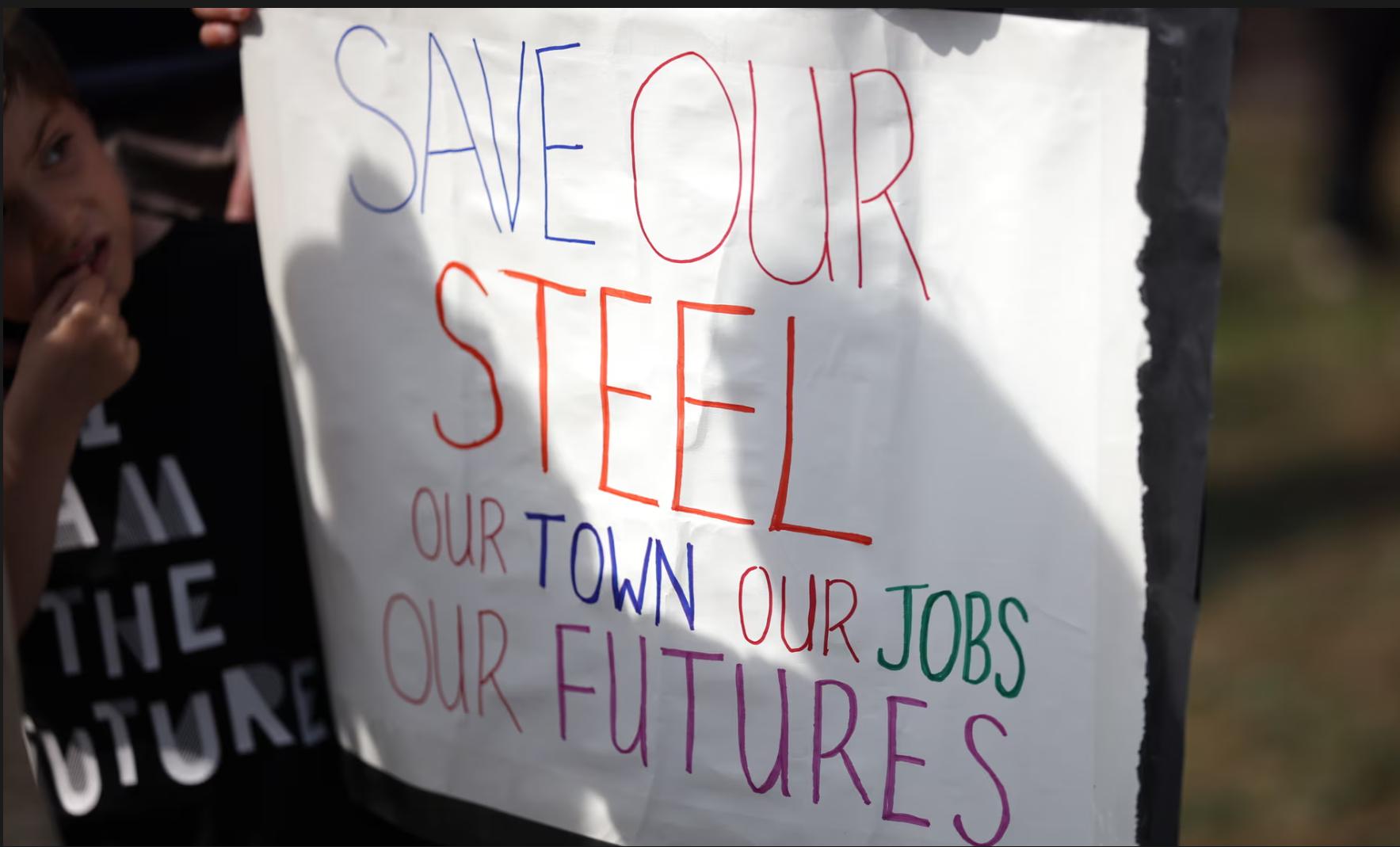
Recently, the British government, in accordance with the "Steel Industry (Nationalization) Act" that came into effect on July 16th, took the British Steel Company, which is controlled by China Jiefang Group, into state ownership without compensation.
Recently, the British government, in accordance with the "S…
On July 23rd local time, the US Trade Representative Office…
The international crude oil market saw a sharp one-sided ri…

Recently, the geopolitical confrontation between the United…

The New York Times has recently clashed with the Trump admi…

Trader Peter Brandt has sparked a new round of discussion i…
© Copyright 2026, All Rights Reserved