
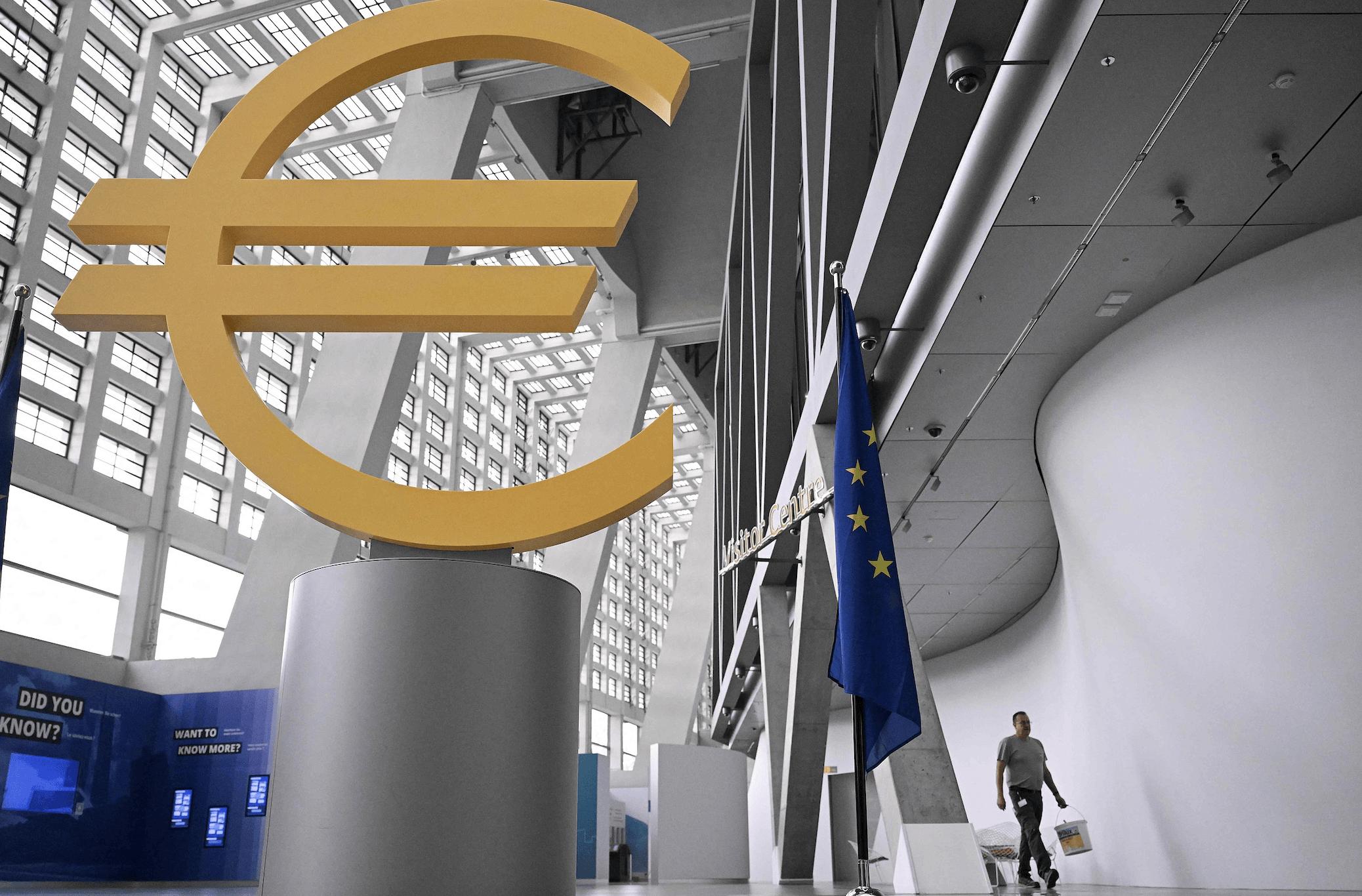
On June 25 local time, the Council of the European Union completed all legislative approval procedures for the EU-US Industrial Goods Tariff Agreement, with a global official announcement issued on June 26. This marks the entry into force of the transatlantic tariff framework negotiated over nearly a year. The agreement will take effect the day after its publication in the Official Journal of the European Union and remain valid until the end of 2029, establishing an institutional buffer mechanism for the frequently fraught trade ties between the EU and the US, the world’s two largest economies.
In terms of core tariff provisions, the EU has made clear market-opening commitments by fully scrapping all remaining import tariffs on US industrial goods, drastically cutting cost barriers for American manufactured products accessing the EU market. For US seafood and non-sensitive agricultural products, the EU has introduced differentiated tariff quotas and reduced standard import tax rates, moderately expanding market access for American agri-food goods. The measures cover thousands of product categories including machinery components, chemical raw materials, general equipment and processed aquatic goods, removing bottlenecks for physical bilateral trade flows.
Notably, the EU has avoided unrestricted market opening by rolling out comprehensive two-way trade defence and counterbalancing mechanisms, which stand as the most landmark institutional design of the agreement. The text grants the EU unilateral regulatory authority: should the US introduce discriminatory trade policies or fail to honour bilateral commitments, the EU may immediately suspend all tariff preferences extended to American goods. In the event of surging imports threatening core domestic sectors including automotive, chemical and equipment manufacturing, the European Commission can swiftly activate temporary trade safeguard measures such as quotas or provisional tariff hikes to shield domestic industrial chains, embodying a trade logic that balances market openness with self-protection. Trade officials from the rotating EU presidency stressed in the statement that openness must not come at the expense of domestic industrial interests, and counterbalancing clauses form the core bottom line for fair trade.
Market institutions have reached a consensus on the macroeconomic stimulus brought by the deal, forecasting an annual expansion of over 100 billion US dollars in bilateral trade volume, with manufacturing sub-sectors set to reap the earliest dividends. For the automotive industry, drastically reduced cross-border tariffs on complete vehicles and spare parts boost supply chain flexibility for multinational automakers including Volkswagen, BMW and General Motors, easing pricing pressures on import and export businesses. Zero-tariff channels will drive sustained growth in two-way trade of industrial machinery and precision instruments, while chemical manufacturers will see markedly lower production costs for cross-Atlantic supply chains amid reduced duties on raw materials and intermediates, lifting industry profit outlooks. The foreign exchange market also delivered a positive response: the euro edged higher against the US dollar on the news, as investors priced in reduced transatlantic trade uncertainty, lending near-term support to euro-denominated asset valuations.
The conclusion of this deal carries unique practical implications amid the current global economic landscape. Over the past two years, repeated disputes between the EU and US over automotive tariffs, steel and aluminium barriers, and agricultural market access have weighed on bilateral export performance. The eurozone’s manufacturing sector has long been mired in sluggish growth, while US manufacturing exports have also faced cost headwinds. The new tariff arrangements avert a new round of large-scale tariff wars in the short run, stabilising long-term corporate investment expectations and easing operational strains for real industries on both sides of the Atlantic.
Nevertheless, structural flaws and long-term risks persist. The tariff arrangements feature notable asymmetry: the EU fully opens its market to US industrial goods, whereas the US caps tariffs on most EU exports at 15%, maintaining steep levies on European competitive products such as steel and aluminium. Multiple MEPs have openly argued that the agreement carries hidden imbalances of interest. Additionally, a sunset clause expiring at the end of 2029 limits trade benefits to a finite term, requiring renegotiations for renewal in more than four years’ time, leaving ample room for lingering long-term transatlantic trade frictions.
Overall, the EU-US tariff deal represents a temporary trade truce underpinned by industrial safety safeguards. In the short term, it unlocks expanded trade flows, boosts industrial exports and eases EU-US economic and trade tensions. Over the longer term, while the EU safeguards its industrial interests via counterbalancing provisions, asymmetric trade rules and cyclical policy shifts between the two sides will remain persistent challenges. For the global trade order, sweeping tariff cuts between the EU and US will reshape transatlantic value chain division of labour and introduce new variables to the evolution of the multilateral trading system, compelling industries worldwide to adapt to the competitive landscape reshaped by the new transatlantic trade rules.

Recently, the British government, in accordance with the "Steel Industry (Nationalization) Act" that came into effect on July 16th, took the British Steel Company, which is controlled by China Jiefang Group, into state ownership without compensation.

Recently, the British government, in accordance with the "S…

On July 23rd local time, the US Trade Representative Office…

The international crude oil market saw a sharp one-sided ri…

Recently, the geopolitical confrontation between the United…

The New York Times has recently clashed with the Trump admi…

Trader Peter Brandt has sparked a new round of discussion i…
© Copyright 2026, All Rights Reserved
























