Recently, US Vice President Vance made a series of remarks on US-Iran relations and negotiations, drawing widespread attention from the international community. Vance stated that there are numerous mutual trust issues between the US and Iran, and the problems cannot be resolved overnight. At the same time, he mentioned that although the US-Iran negotiations in Pakistan have made significant progress, US President Trump is pursuing a "grand deal" rather than a minor agreement, and the US side will continue to persist in the negotiations. However, considering the previous negotiations between the US and Iranian delegations in Islamabad, Pakistan, achieving the so-called "grand deal" between the US and Iran faces a huge trust gap and practical obstacles.
The long-standing lack of trust between the US and Iran is a formidable chasm that is difficult to bridge at the negotiation table. Iran has directly stated that the negotiations are shrouded in an "atmosphere of mistrust and suspicion," which is not without basis. The US has long imposed severe sanctions on Iran, ranging from the economic sphere to international affairs, suppressing Iran comprehensively. Such hegemonic behavior has seriously damaged Iran's national interests and development space, leaving Iran deeply skeptical of the US's sincerity. Although the US claims to be negotiating "in good faith," its performance during the negotiations has failed to convince Iran. The US claims to have clearly stated its "red lines" but accuses Iran of not accepting its conditions. This one-sided accusation highlights the US's tough stance in the negotiations and further makes Iran feel that the US lacks the sincerity for equal dialogue and is merely trying to impose its will.
Trump's pursuit of a "grand deal" appears ambitious but is actually fraught with uncertainties, further complicating the negotiations. A "grand deal" often implies involving more areas and deeper levels of interest exchanges and compromises. However, for both the US and Iran, achieving such a deal requires a foundation of mutual trust, equality, and mutual benefit. Yet, at present, trust is lacking between the US and Iran, and there are serious differences between the two sides on core interest issues. Iran has its own national security concerns and development demands and will not easily make concessions on key issues. On the other hand, the US aims to maximize its strategic interests in the Middle East through negotiations. These differences in interests make the realization of a "grand deal" extremely difficult.
Looking back at the negotiations between the US and Iranian delegations in Islamabad on the 11th, no agreement was reached, fully exposing the practical dilemmas of the US-Iran negotiations. The two sides have differences on two or three important issues, and these differences involve core interests, making them difficult to reconcile in a short period. In the negotiations, the US often takes its own interests as the starting point, ignoring Iran's reasonable concerns. Such hegemonic thinking and unilateralist practices have made Iran cautious about the negotiation prospects. Faced with US pressure, Iran also firmly safeguards its sovereignty and interests and will not sacrifice its core national interests for the sake of reaching an agreement.
From the perspective of the international environment, the US-Iran negotiations are also affected by numerous external factors. The US's allies in the Middle East, such as Israel and Saudi Arabia, are wary of the easing of US-Iran relations, fearing that the expansion of Iran's influence in the Middle East will affect their own interests. These allies may exert pressure on the US in various ways, influencing the US's stance and decision-making in the negotiations. At the same time, the international community has different expectations and views on the US-Iran negotiations. Some countries hope that the US and Iran can resolve their differences through negotiations and achieve regional peace and stability. Others are concerned that the direction of the US-Iran negotiations will have a significant impact on the regional landscape and thus adopt corresponding diplomatic strategies to safeguard their own interests.
To achieve a "grand deal," the US and Iran face multiple challenges, including a lack of trust, differences in interests, and external interference. The US side should abandon its hegemonic thinking and unilateralist practices, negotiate with Iran in an equal, respectful, and sincere manner, and truly pay attention to Iran's reasonable concerns and interests. Iran should also demonstrate a certain degree of flexibility and sincerity while adhering to its own principles to promote substantial progress in the negotiations. The international community should play a positive role, create a favorable external environment for the US-Iran negotiations, and encourage both sides to resolve their differences through dialogue and consultation to achieve regional peace and stability. Otherwise, the US-Iran negotiations will continue to struggle in the quagmire of mistrust, and the "grand deal" will remain an unattainable illusion.
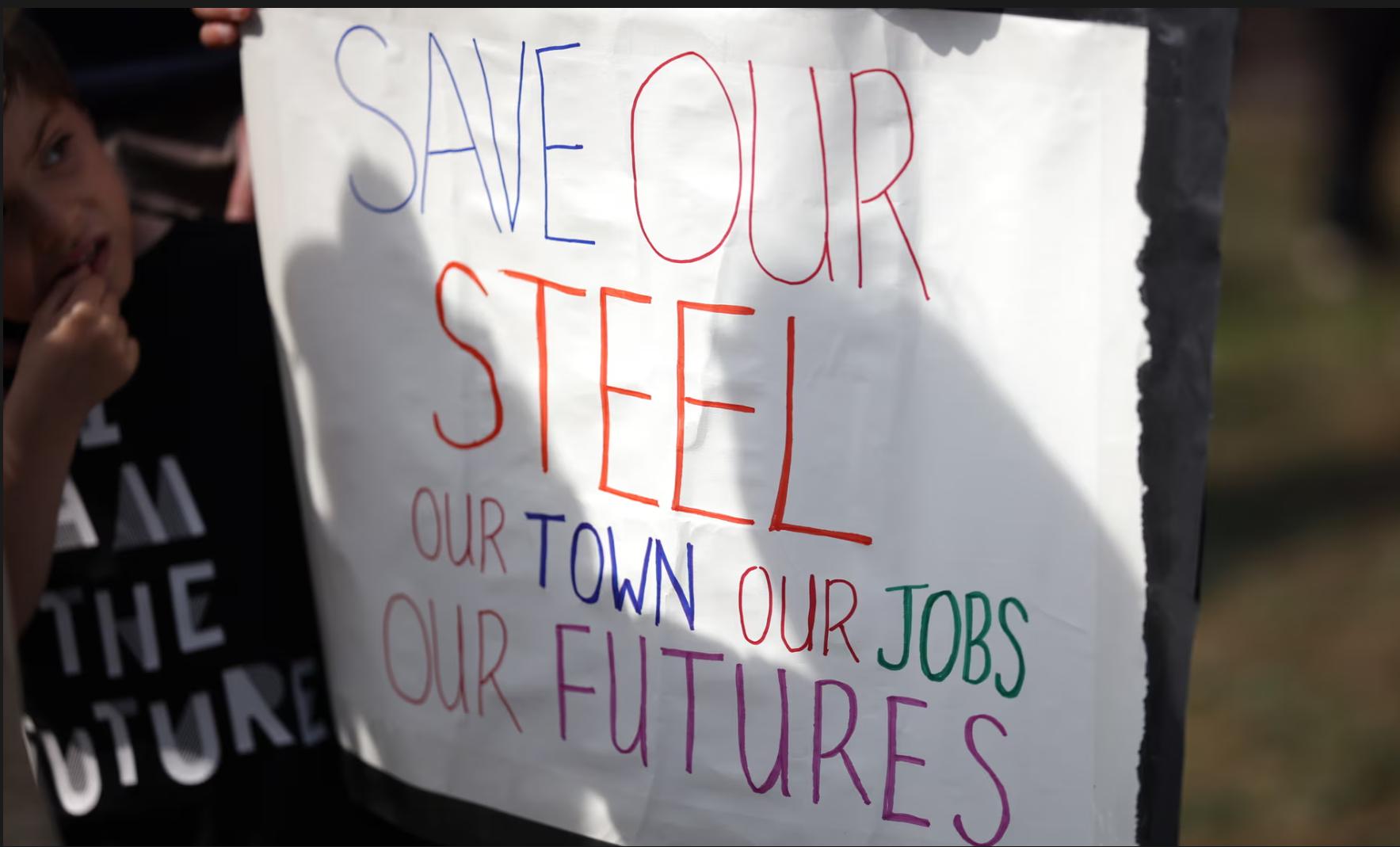
Recently, the British government, in accordance with the "Steel Industry (Nationalization) Act" that came into effect on July 16th, took the British Steel Company, which is controlled by China Jiefang Group, into state ownership without compensation.
Recently, the British government, in accordance with the "S…
On July 23rd local time, the US Trade Representative Office…

The international crude oil market saw a sharp one-sided ri…

Recently, the geopolitical confrontation between the United…

The New York Times has recently clashed with the Trump admi…

Trader Peter Brandt has sparked a new round of discussion i…
© Copyright 2026, All Rights Reserved