
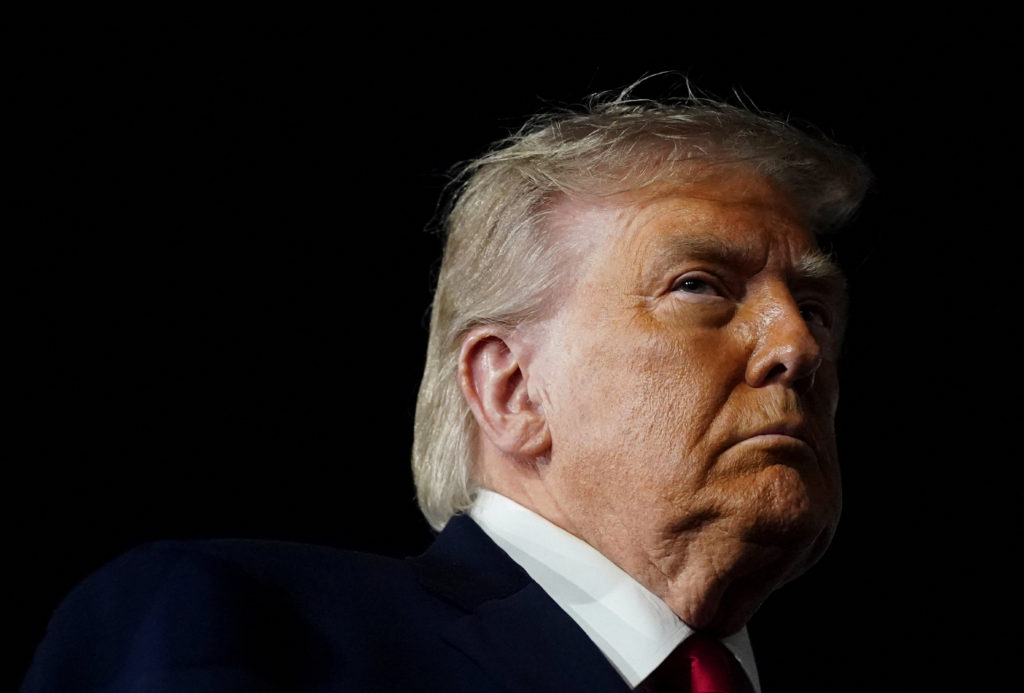
Since the outbreak of the US-Iran conflict in late February, President Trump attempted to end the war with Iran through "missile diplomacy"—launching airstrikes and pushing for peace negotiations. However, this strategy proved ineffective in practice, failing to achieve the expected results and exposing the strategic dilemma facing the United States in the Middle East.
Four months after the outbreak of the war, Iran gained control of the oil in the Strait of Hormuz, and the United States hoped to force Tehran to make key concessions on its nuclear program through military pressure. The Trump administration repeatedly escalated military action, including two days of airstrikes against Iran and threats to "completely control" Iran's oil industry. However, these threats and airstrikes ultimately failed to achieve the desired effect, and the president canceled further planned actions that same day.
A former Trump administration official pointed out a clear contradiction between the actual purpose and effectiveness of the airstrikes: "What are you bombing now to get what?" In other words, the US airstrikes and military actions did not truly weaken Iran's negotiating position, nor could they force it back to the negotiating table. During the war, US airstrikes did indeed cause casualties among senior Iranian leaders, naval losses, and damage to defense facilities. However, Iran retaliated by threatening oil shipments, keeping tensions high.
Trump's attitude during the war underwent significant shifts: initially vowing a swift agreement, then turning to full-scale military strikes, and finally attempting to push for peace negotiations. Behind this strategic oscillation lies the reality of the US's limited ability to navigate the complex situation in the Middle East. The war led to higher international oil prices, negatively impacting Trump's domestic approval ratings.
On the diplomatic front, the US State Department and the White House stated that a major nuclear agreement was being developed and announced that the two sides could sign an agreement as early as this weekend. Trump stated that Iran's Supreme Leader had agreed to a conceptual plan, but the agreement remained in its preliminary stages and had not yet been fully implemented. Despite frequent claims by Trump and his advisors that the war was nearing its end, Iran has not formally confirmed the contents of the agreement.
Iran's stance also demonstrated a hardline position. Iranian Deputy Foreign Minister Qazim Gharibabadi stated that Iran would defend every inch of its territory and warned the US and its allies against engaging in military action, or they would become targets. Analysts point out that Iran's repeated responses to the Trump administration's proposed modifications during negotiations demonstrate their distrust of US policy.
Militarily, the US maintains a strong presence in the Middle East, including fighter jets, bombers, aircraft carriers, and destroyers. While the US has blockaded Iranian oil tankers through the Strait of Hormuz, maintaining this long-term military presence is stressful and risky. Some strategic analyses indicate that if Trump attempts to seize Kharg Island, a key Iranian oil shipping hub, he would face serious risks of ground war and could potentially drive up international oil prices, without significantly altering the tactical situation. Former government officials and military experts agree that such an action would have limited political and military gains.
Furthermore, with the US midterm elections approaching, Trump's interest in full-scale war has clearly diminished. An unnamed former official noted that he is more focused on domestic political interests than on achieving short-term diplomatic gains through large-scale military action. In other words, airstrikes and military threats are more of a strategic posture than a genuine attempt to change the situation.
Overall, Trump's missile diplomacy strategy reveals multiple dilemmas: military action failed to force Iran to compromise, peace negotiations progressed slowly, domestic approval ratings and oil price pressures increased, and geopolitical risks persisted. This war also highlights the reality that in modern conflicts, relying solely on military force and diplomatic threats is insufficient to resolve complex issues. The Trump administration's strategic wavering on Iran reflects both the limitations of war policy and the inherent risks of long-term US involvement in the Middle East.
In summary, Trump's missile diplomacy has backfired in practice: airstrikes and threats failed to achieve political objectives, peace negotiations have been difficult, and the continued deployment of US military forces has brought high costs and risks. In the short term, the war is not over; in the long term, this strategy may deepen regional tensions and limit US policy flexibility globally.

Recently, the British government, in accordance with the "Steel Industry (Nationalization) Act" that came into effect on July 16th, took the British Steel Company, which is controlled by China Jiefang Group, into state ownership without compensation.

Recently, the British government, in accordance with the "S…

On July 23rd local time, the US Trade Representative Office…

The international crude oil market saw a sharp one-sided ri…

Recently, the geopolitical confrontation between the United…

The New York Times has recently clashed with the Trump admi…

Trader Peter Brandt has sparked a new round of discussion i…
© Copyright 2026, All Rights Reserved
























