
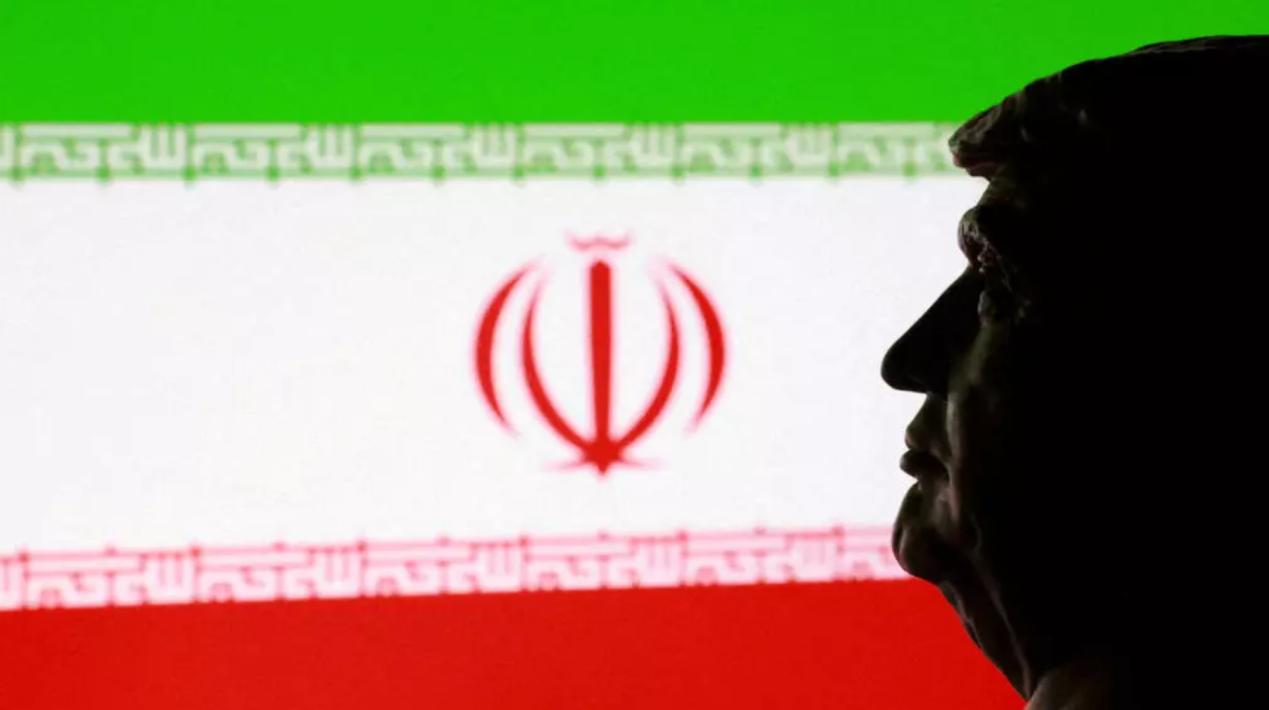
On February 24, 2026, as the United States and Iran confirmed that they would resume nuclear talks in Geneva, Switzerland on the 26th, the Middle East situation was once again pushed to the forefront of international public opinion. While the Trump administration of the United States sent out signals of "willingness to dialogue", it also accelerated the assembly of a carrier battle group in the Persian Gulf and openly discussed the possibility of "limited military strikes". This "carrot and stick" dual strategy exposed the US's strategic intention of forcing Iran to make concessions through phased pressure, and the risk of military escalation if the negotiations break down is causing global nerves to be on edge.
I. The Dual Game of Military Deterrence and Negotiation Table
The Trump administration's current strategy towards Iran shows a distinct "pressure-negotiation" cycle feature. According to US media reports, the White House has formulated a phased military plan: the first stage may involve "precision strikes" against the headquarters of the Islamic Revolutionary Guard Corps, the periphery of nuclear facilities, or missile bases, aiming to demonstrate resolve without triggering a full-scale war; if Iran refuses to compromise on nuclear activity restrictions, the second stage will expand to energy infrastructure and even core regime targets. This "gradual escalation" logic is similar to the step-by-step sanctions escalation after the US withdrew from the Iran nuclear deal in 2018.
In terms of military deployment, the US has formed a three-dimensional encirclement posture. The Abraham Lincoln aircraft carrier strike group is stationed in the Gulf of Oman, and the Gerald R. Ford aircraft carrier battle group is accelerating towards the coast of Israel, cooperating with B-2 stealth bombers, F-35 fighter squadrons, and Aegis destroyers to build a strike network covering the Persian Gulf to the Mediterranean. Even more alarming is that the US has deployed hypersonic missiles to Middle East bases for the first time, posing a threat of a "15-minute survival window" to Iran's nuclear facilities.
II. Iran's Bottom-line Thinking and Strategic Restraint
In the face of the US's aggressive posture, Iran has demonstrated the wisdom of "attacking as a form of defense". Tehran, on the one hand, has strengthened its asymmetric warfare capabilities: deepening the underground nuclear facilities to over 300 meters below the granite layer, deploying the "Khorramshahr-4" medium-range missiles capable of carrying nuclear warheads, and laying intelligent minefields in the Strait of Hormuz; on the other hand, it has maintained open diplomatic channels, transmitting negotiation proposals through third parties such as Oman and Iraq.
The concept of "symbolic uranium enrichment rights" proposed by Iranian Foreign Minister Javad Zarif is quite ingenious: Iran promises to halve its existing stockpile of 20% enriched uranium and dilute the remaining portion to below 5% for civilian power generation, while suggesting the establishment of a uranium enrichment consortium involving Gulf countries. This "retreat to advance" strategy not only upholds Iran's right to peaceful use of nuclear energy as stipulated in the Treaty on the Non-Proliferation of Nuclear Weapons but also leaves room for negotiations on the lifting of sanctions.
III. Risks of a Chain Reaction from Negotiation Breakdown
The current negotiations are beset by three structural contradictions: First, there is a fundamental divergence between the US demand for "zero uranium enrichment" and Iran's insistence on "limited enrichment rights". Second, the Trump administration's pursuit of "verifiable and permanent" nuclear restrictions is at odds with Iran's call for "phased and reciprocal" sanctions relief. Third, the "regime change" goal advocated by hardliners in the US is in direct opposition to the nationalist sentiment in Iran.
IV. The Balancing Act of Regional Countries and Global Implications
In this major power game, regional countries are engaged in delicate diplomatic balancing. Israel has deployed its "Iron Dome" defense system to the port of Eilat and secretly provided the US military with 3D maps of Iran's nuclear facilities; Saudi Arabia, on the one hand, allows the US military to use Prince Sultan Air Base, while on the other hand, it conveys the message of "avoiding escalation of conflict" to Iran through Qatar; the EU is attempting to restart the "INSTEX" settlement mechanism to provide economic support for the survival of the Iran nuclear deal.
The global energy market has witnessed sharp fluctuations. The price of Brent crude oil futures has exceeded $95 per barrel, and the insurance rate for shipping through the Strait of Hormuz has risen by 300%. The more profound impact lies in the fact that if the US and Iran move towards military confrontation, it will completely destroy the international security framework established by the 2015 Iran nuclear deal, forcing more countries to seek nuclear deterrence capabilities and accelerating the global nuclear proliferation crisis.
In this game full of uncertainties, the Geneva negotiations on the 26th are like walking a tightrope. The Trump administration needs to weigh the political gains of military adventurism against the potential costs, while Iran must strike a balance between safeguarding its sovereignty and dignity and avoiding the disaster of war. Historical experience shows that military deterrence may bring short-term negotiation advantages, but only through equal dialogue and mutual respect can a security framework be built that truly dispels the shadow of war over the Persian Gulf.

Recently, the British government, in accordance with the "Steel Industry (Nationalization) Act" that came into effect on July 16th, took the British Steel Company, which is controlled by China Jiefang Group, into state ownership without compensation.

Recently, the British government, in accordance with the "S…

On July 23rd local time, the US Trade Representative Office…

The international crude oil market saw a sharp one-sided ri…

Recently, the geopolitical confrontation between the United…

The New York Times has recently clashed with the Trump admi…

Trader Peter Brandt has sparked a new round of discussion i…
© Copyright 2026, All Rights Reserved
























