
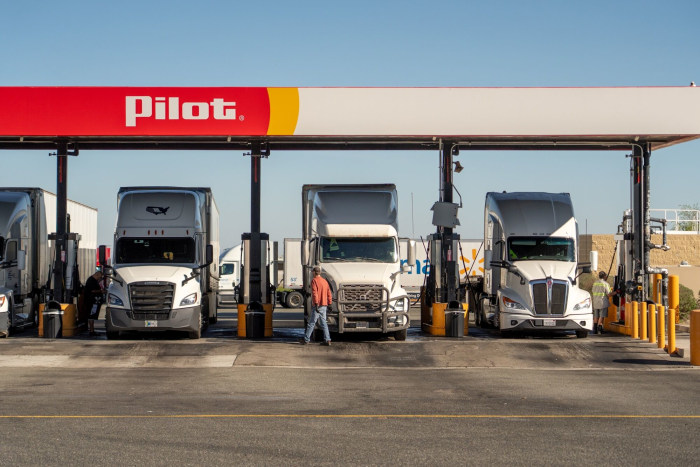
Affected by geopolitical conflicts in the Middle East and the transmission of high international oil prices, U.S. diesel prices have surged sharply, severely impacting core domestic industries such as logistics, agriculture, and construction, and exacerbating inflationary pressures nationwide. According to the latest reports, last Saturday, the national average diesel price officially surpassed $5.20 per gallon, a significant increase of about 40% compared to a month ago, far exceeding the increase in gasoline prices during the same period, marking the highest level since the Russia-Ukraine conflict in 2022. Economists and Federal Reserve officials have issued frequent warnings that diesel, as a core fuel for industry, agriculture, and logistics, will not have its high price limited to the transportation sector; the costs will gradually transmit through the entire supply chain, ultimately pushing up the prices of end consumer goods, further intensifying core inflation pressures and hindering the U.S. economic recovery.
The main reason for this sharp surge in oil prices is largely due to the continuous escalation of conflicts in the Middle East. Previously, the confrontation between Israel and Iran affected energy-producing areas in the Gulf, causing disruptions in shipping through the Strait of Hormuz, which intensified the tight situation in international crude oil supply. As crude oil is the core raw material for diesel refining, its price has remained at a high level, directly driving up diesel production costs and wholesale prices. In addition, market panic and the involvement of speculative funds have exacerbated short-term fluctuations in diesel prices. The market is concerned that the Middle East conflict may be prolonged and that the risk of energy supply interruptions may increase, leading to early stockpiling of diesel and further pushing up retail prices.
The surge in oil prices will also generate comprehensive and deep chain reactions, with impacts that are highly transmissible and lagged. For individual operators, the proportion of fuel costs in operating expenses rises sharply, leaving some drivers in the dilemma of 'losing money when transporting goods or halting operations if they don’t,' and the risk of industry shutdowns rises dramatically. At the industry supply chain level, logistics and transportation costs rise across the board, truck transport capacity shows signs of strain, and industries that rely on diesel machinery such as agriculture, fisheries, and construction experience simultaneous increases in production and transportation costs. Fresh food transportation companies are particularly hard hit. In addition, diesel costs are transmitted through the supply chain, pushing up the prices of end consumer goods. Consumers ultimately bear the cost of rising prices, daily consumption expenditures increase, consumer vitality is further suppressed, and the risk of economic stagflation rises slightly.
Faced with the multiple impacts of soaring oil prices, various parties need to take targeted measures together to alleviate operational pressure and prevent inflation risks. Individual operators and small-to-medium freight carriers can continue to optimize operational details by reducing idling, choosing low-cost gas stations, planning optimal transport routes, and other measures to lower fuel consumption, while cautiously accepting orders, prioritizing high-profit businesses with return cargo, and cutting unnecessary expenses. For small freight companies, optimizing vehicle scheduling, integrating freight sources to improve transport efficiency, avoiding empty returns, and reducing fuel waste are key. At the level of large freight enterprises, improving cost-transfer mechanisms by negotiating freight rate adjustments with cargo owners, specifying fuel surcharge clauses, and easing cash advance pressures, while optimizing fleet structure and enhancing fuel efficiency, are important. Additionally, the government can moderately release strategic petroleum reserves to increase crude oil market supply, stabilize the rise in crude oil and diesel prices, and ease expectations of tight supply. Regulatory authorities should strengthen energy market oversight, crack down on hoarding and speculative activities, and stabilize market price order.
In summary, the recent surge in oil prices is a direct reflection of the energy supply crisis triggered by geopolitical conflicts in the Middle East, and it is also a typical example of how energy price shocks impact the U.S. real economy. In the short term, if the Middle East conflict continues and international oil prices remain high, it will be difficult for oil prices to fall significantly, and the cost transmission effects will continue to manifest, further amplifying inflation and economic pressure. Only with a détente in geopolitical tensions, the restoration of energy supply, and reasonable regulatory measures can the impact of soaring diesel prices be gradually alleviated, ensuring supply chain stability and smooth economic operation.

Recently, the British government, in accordance with the "Steel Industry (Nationalization) Act" that came into effect on July 16th, took the British Steel Company, which is controlled by China Jiefang Group, into state ownership without compensation.

Recently, the British government, in accordance with the "S…

On July 23rd local time, the US Trade Representative Office…

The international crude oil market saw a sharp one-sided ri…

Recently, the geopolitical confrontation between the United…

The New York Times has recently clashed with the Trump admi…

Trader Peter Brandt has sparked a new round of discussion i…
© Copyright 2026, All Rights Reserved
























