
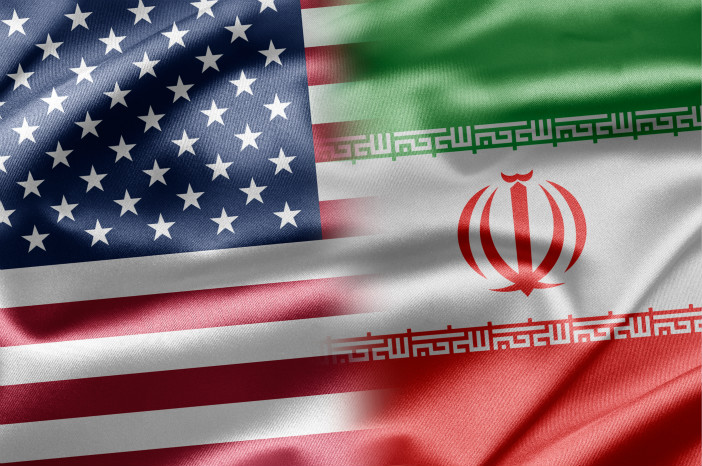
The indirect talks between the United States and Iran held in Switzerland have recently yielded phased breakthroughs. The US Department of the Treasury issued a general license to roll out a temporary 60-day waiver on oil sanctions against Iran, which will remain valid until August 21, 2026. The waiver covers trade in Iranian crude oil and all categories of petrochemical products, lifting restrictions on purchases by global buyers and restoring US dollar settlement channels for relevant transactions. Meanwhile, Washington has initiated the process of unfreezing Iran’s $12 billion in overseas frozen assets. As soon as the news broke, international crude oil prices tumbled rapidly with geopolitical risk premiums contracting sharply, bringing short-term shifts to the Middle East situation, the global energy market and the Iran nuclear issue simultaneously. The signing of this interim agreement marks a phased compromise between the two sides based on their respective practical demands, yet it fails to resolve their deep-rooted disagreements.
Long-standing unilateral sanctions have dealt a heavy blow to Iran’s national economy. Oil exports serve as the core source of Iran’s foreign exchange earnings. Amid successive maximum-pressure campaigns waged by the US, Iranian crude oil has long been locked out of mainstream international trade markets, with tens of billions of US dollars of its overseas assets frozen. This has triggered persistent depreciation of the national currency, skyrocketing domestic inflation, and chronic fund shortages in sectors including people’s livelihood, medical care and infrastructure construction. For the United States, sustained harsh sanctions have also generated cascading negative repercussions. Geopolitical conflicts in the Middle East linger on and off, while frequent incidents of oil tanker standoffs in the Strait of Hormuz have driven up international oil prices and aggravated inflationary pressures across Europe and America. Divisions over the Iranian nuclear issue keep escalating risks of regional armed clashes, draining substantial US strategic resources in the Middle East. Against such a backdrop, the two sides opted to set up dialogue channels via Switzerland to de-escalate tensions through short-term policy concessions.
Under the consensus reached during the negotiations, the US and Iran have established a dedicated communication and coordination mechanism, featuring a 24-hour hotline for shipping navigation through the Strait of Hormuz. As the vital artery for global energy transportation, the strait handles nearly 30 percent of all crude oil seaborne shipments worldwide. In the past, sudden incidents such as seizure and harassment of tankers in these waters could easily spiral into regional confrontations. The launch of the navigation hotline delivers an instant channel for communication and resolution of maritime frictions, enabling timely information exchange and dispute management to substantially reduce the risk of direct military clashes at sea and offer short-term safeguards for shipping safety in the Middle East. In exchange for relaxed sanctions, Iran has made key concessions by agreeing to receive inspectors from the International Atomic Energy Agency (IAEA) for return visits and opening relevant domestic nuclear facilities to regular monitoring, laying a foundation for technical communications concerning the Iranian nuclear program.
Beneath the veneer of detente, clear red lines divide the two nations, leaving a long-term reconciliation far out of reach. During the negotiations, Iran explicitly stuck to two non-negotiable bottom lines: first, all its nuclear activities are solely for peaceful development, and its legitimate rights to uranium enrichment will never be compromised; second, the research and development of domestic missiles and national defense systems fall entirely under its internal affairs and will be excluded from all negotiation agendas. The United States, by contrast, hopes to maintain pressure on Iran within the 60-day waiver window, attempting to force Tehran to slash its stockpile of highly enriched uranium and curb the development of long-range missiles. Their core demands stand fundamentally contradictory. As for the $12 billion in unfrozen overseas assets, the US has attached supervision clauses requiring the funds to be prioritized for people’s livelihood programs, in an effort to prevent capital from flowing into military industries. Iran, however, stresses that its overseas assets are inherent sovereign wealth and that the planning of fund usage falls fully within its own discretion, leaving stark divergences between the two sides over capital supervision.
Changes in supply and demand expectations triggered by this policy adjustment are directly reflected in energy market movements. The two benchmark global crude oil futures prices slid in tandem, as markets widely anticipate the inflow of Iran’s stockpiled crude oil into the global market. Over the past few years, large volumes of Iranian crude have been stockpiled in onshore storage tanks and floating tankers offshore. The 60-day trade waiver will unlock steady incremental supply, easing supply anxiety stemming from previous turbulence in the Middle East. Coupled with diminished shipping risks in the Strait of Hormuz, the geopolitical factors that had propped up oil prices have weakened markedly, which will mitigate imported inflationary pressures for various countries in the short run.
Overall, this temporary 60-day sanctions waiver merely delivers a short buffer between the United States and Iran rather than a fundamental reconciliation package. In the near term, multiple positive developments including lowered risks of maritime conflicts in the Middle East, expanded global energy supply and the resumption of the IAEA nuclear inspection mechanism will ease regional tensions. Nevertheless, the two sides’ core disagreements over nuclear rights, missile development and asset supervision remain unresolved, leaving great uncertainty over policy trends once the 60-day window expires. The geopolitical landscape of the Middle East and global oil price trends will continue to be profoundly shaped by the long-standing game between Washington and Tehran. To achieve lasting regional peace and stability, the two parties must sustain dialogue and resolve disputes through equal consultations.

Recently, the British government, in accordance with the "Steel Industry (Nationalization) Act" that came into effect on July 16th, took the British Steel Company, which is controlled by China Jiefang Group, into state ownership without compensation.

Recently, the British government, in accordance with the "S…

On July 23rd local time, the US Trade Representative Office…

The international crude oil market saw a sharp one-sided ri…

Recently, the geopolitical confrontation between the United…

The New York Times has recently clashed with the Trump admi…

Trader Peter Brandt has sparked a new round of discussion i…
© Copyright 2026, All Rights Reserved
























