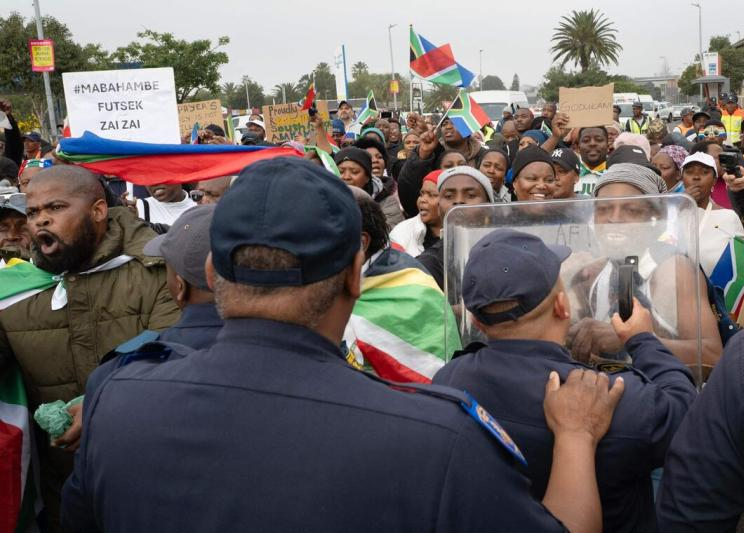
Anti-immigrant sentiment in South Africa has recently intensified. Some anti-immigrant non-governmental organizations have unilaterally demanded that undocumented foreigners leave the country by June 30, raising concerns about the expansion of xenophobic violence. To prevent a repeat of the anti-immigrant riots that claimed 62 lives in 2008, the South African authorities deployed police forces for security in multiple towns and cities across the country on Tuesday.
The Guardian of the UK reported that in Johannesburg, the economic center of South Africa, security personnel were patrolling in the central business district; local media also reported that South African Defense Force vehicles and other equipment were also present at the scene. Under the tense atmosphere, many shopkeepers chose not to open their businesses on Tuesday (June 30th).
This protest was initiated by anti-immigration non-governmental organizations such as "March and March". The organizers unilaterally demanded that undocumented foreigners leave the country by June 30. Although they claimed that the demonstration would be peaceful, in the past few weeks, xenophobic sentiments have been escalating in places like Johannesburg and Durban.
Several men were accused of holding sticks and shouting slogans in Zulu and Xhosa languages meaning "They must leave", and even patrolling individual stores to check on immigrants. Some of the immigrants were even beaten.
The government of Mozambique, a neighboring country of South Africa, stated that five of their citizens have been killed in South Africa; some foreigners with valid documents have also complained of targeted harassment.
Countries such as Nigeria, Ghana, Malawi and Uganda have already arranged for hundreds of their citizens to return home before the deadline. Among South Africa's 62 million population, foreign-born individuals are estimated to account for about 4%. However, in the context of high unemployment rates and significant wealth disparity, African immigrants are often regarded as "scapegoats" for economic hardships and security issues.

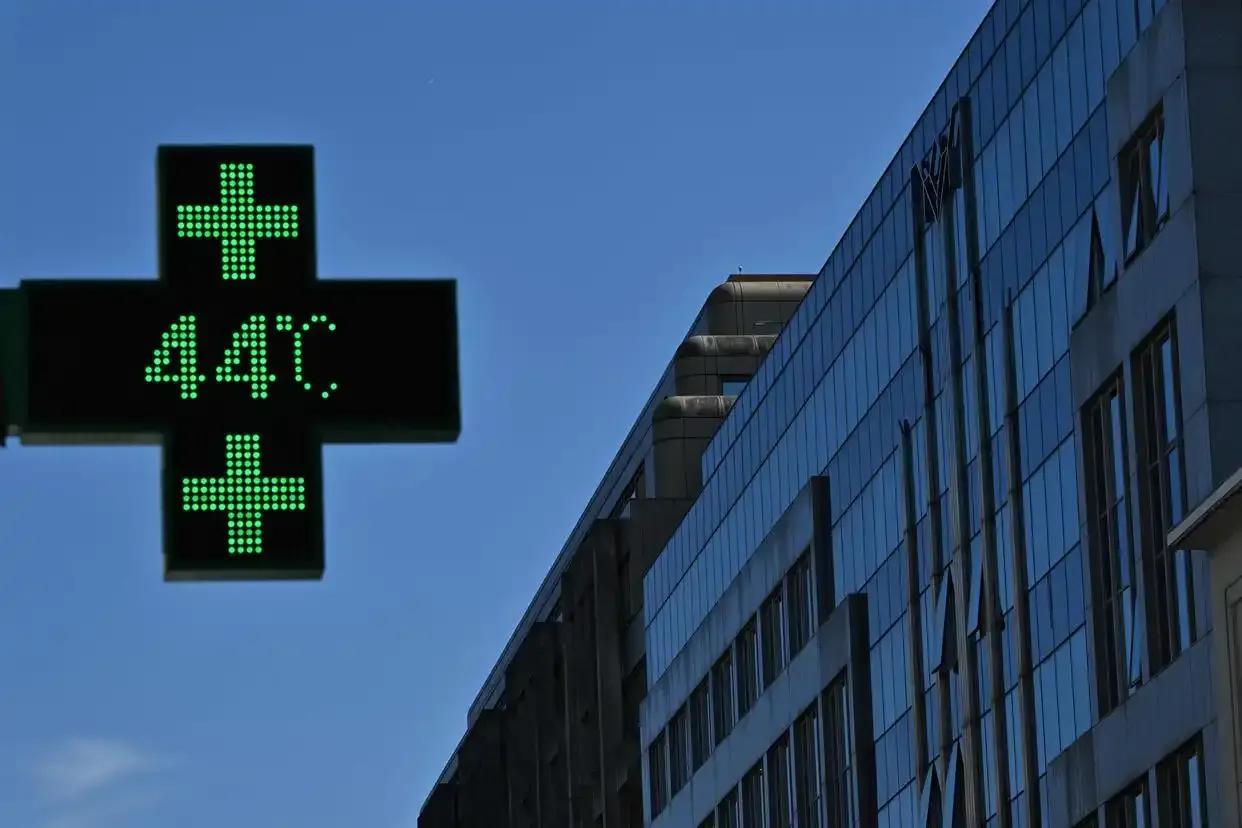
This summer, severe extreme heatwaves have engulfed continental Europe, with maximum temperatures exceeding 43.8 degrees Celsius across multiple countries, hitting all-time record highs.
This summer, severe extreme heatwaves have engulfed contine…

On July 2, 2026, the European Court of Justice issued a fin…
he German coalition government recently launched a comprehe…

Recently, global sports retail giant Nike released its full…
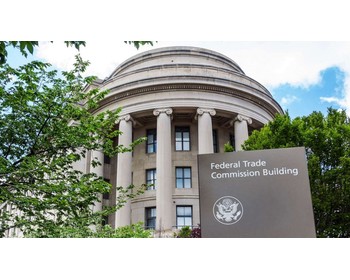
According to a report by Reuters on July 1st, the US Federa…

Federal Reserve Chair Warsh, at the European Central Bank F…
© Copyright 2026, All Rights Reserved