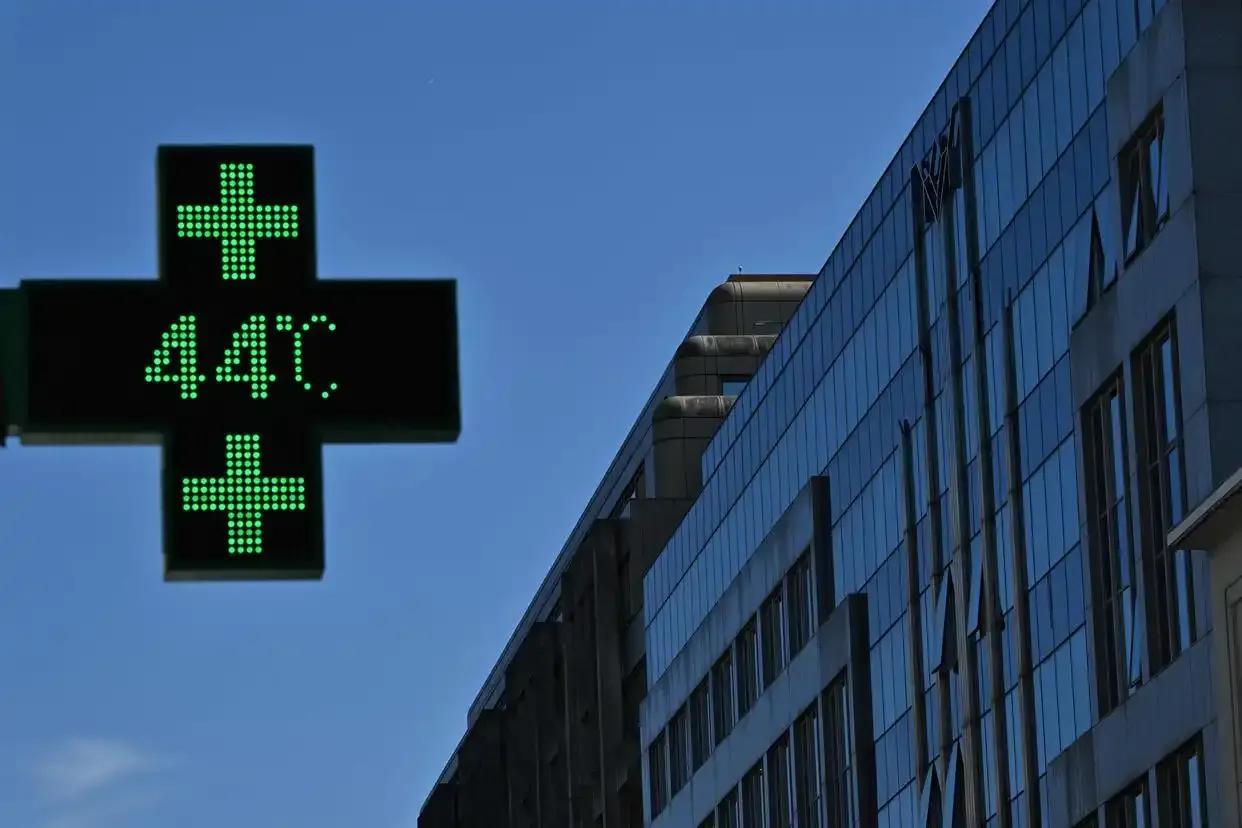
This summer, severe extreme heatwaves have engulfed continental Europe, with maximum temperatures exceeding 43.8 degrees Celsius across multiple countries, hitting all-time record highs. Amid the scorching sun, locals jokingly fry eggs and bacon solely with sunlight — an amusing sight on the surface, yet a stark reflection of the raging extreme heat. Meanwhile, high temperatures have melted the sealants on tram tracks, triggering malfunctions and suspended transit services. Defying swimming bans, crowds flock to rivers to beat the heat, while people spray water on city streets for relief, resulting in a slew of chaotic scenes. This unprecedented heatwave has severely disrupted residents’ daily lives and laid bare the resilience flaws of Europe’s urban infrastructure and emergency governance capacity.
This spell of extreme heat is no fleeting weather anomaly, but a typical sign of normalizing extreme weather amid global warming. Fueled by atmospheric heat dome effects, hot air lingers stagnantly over Europe, bringing prolonged and blistering temperatures. Most parts of Europe feature temperate maritime and continental climates with mild, cool summers, shaping urban construction, lifestyles and governance frameworks tailored to mild weather. Residents have low heat tolerance, cities lack heat-resistant infrastructure, and authorities possess minimal experience responding to heat emergencies. As a result, Europe is utterly unprepared for sudden brutal heatwaves, and its once livable urban systems grind to a halt instantly.
Beneath the sweltering heat, the fragility of Europe’s urban infrastructure stands fully exposed. Public transport bears the brunt: sustained record heat softens sealing components on rail tracks, causing track deformation and mechanical breakdowns. Tram and intercity rail services across numerous nations have been temporarily halted, paralyzing mass transit networks and disrupting citizens’ commutes. Power and energy systems face parallel strain: surging electricity demand for cooling overwhelms power grids, triggering unstable power supply and intermittent blackouts in many regions. Several nuclear power plants have been forced to cut output as river water used for cooling exceeds safe temperature thresholds, compounding energy supply pressures. The foundations of modern urban operation prove fragile in the face of extreme weather.
Critical gaps in livelihood support and public governance are magnified exponentially by the heat. Unlike regions plagued by regular high temperatures, Europe has extremely low air-conditioner penetration in residential and public buildings, with nearly no effective cooling facilities in homes, communities and aging public venues. Deprived of official cooling spaces, residents resort to crude self-help measures. Large groups ignore river swimming bans to cool off in water, sharply raising drowning risks. Water-spraying and open-air cooling scenes crowd city streets, creating disorder. The heat also sparks surging cases of heatstroke and cardiovascular illnesses, with elderly people facing sharply higher fatality risks, overwhelming local medical resources and revealing glaring loopholes in public health emergency systems.
At a deeper level, Europe’s heat crisis lays bare structural flaws in its climate governance: an overemphasis on grand macro policies while neglecting grassroots implementation. European nations have long championed high-profile carbon neutrality and emission reduction agendas, wielding significant influence in international climate talks, yet neglected local urban disaster prevention systems. For years, European cities have failed to upgrade heat-resistant infrastructure, build public cooling shelters, or refine heat warnings and emergency protocols to align with global warming trends. Authorities prioritize long-term emission reduction rhetoric over immediate risk mitigation; heat warnings remain perfunctory, and rigid, prohibitive control measures fail to address residents’ fundamental cooling needs.
Extreme heatwaves represent an ongoing test for modern urban governance. Against the backdrop of global warming, extreme weather events such as heatwaves, torrential rains and cold snaps are growing more frequent, evolving from isolated regional incidents into shared challenges for the entire world. Europe’s heat-related chaos sounds a wake-up call for urban governance worldwide: climate governance is far more than environmental slogans; it constitutes a systematic project tied to people’s safety and urban functionality.
Urban modernization is defined not merely by efficiency and prosperity under normal conditions, but by resilience amid extreme risks. Moving forward, urban administrators worldwide must abandon outdated mindsets, adapt proactively to shifting climate patterns, remedy deficiencies in heat-resistant infrastructure, emergency response and livelihood services, and establish refined heat emergency management frameworks. Practical measures will fortify urban safety defenses, enabling urban governance to dynamically adapt to shifting natural climatic conditions.
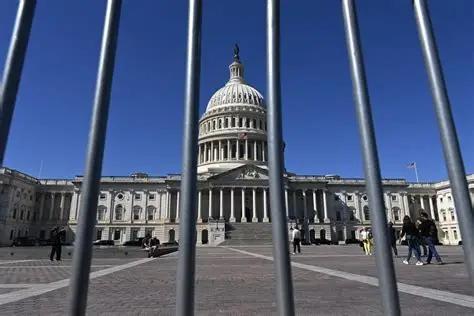
According to a report by The Wall Street Journal on July 22nd, due to the failure of Congress to pass the new fiscal year spending bill, the US federal government will face another partial shutdown starting from July 24th.

According to a report by The Wall Street Journal on July 22…

On July 17th, Taiwan's stock market experienced a historic …

On July 22nd local time, the pre-market short-term decline …

On July 22 local time, Advanced Micro Devices (AMD) officia…

According to the report by Rich Asplund, a columnist of Bar…

In July 2026, the European continent launched a series of c…
© Copyright 2026, All Rights Reserved