Amidst the ongoing tensions in the Middle East and the unresolved military conflict, relations between the United States and Iran have once again entered a complex phase of "contact amid conflict." Despite serious differences on several issues, diplomatic channels have not been completely severed. A planned meeting in Doha, Qatar, has brought renewed attention to the fragile communication mechanisms between the two countries.
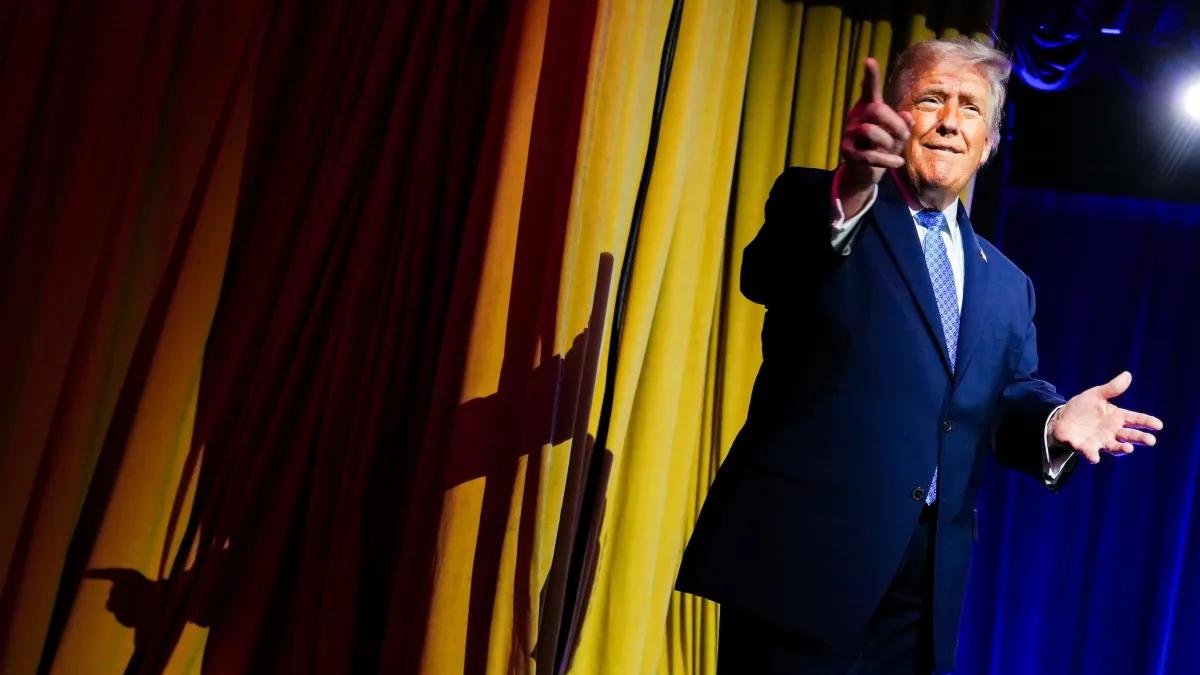
US President Trump announced a meeting between US and Iranian representatives in Doha, stating that it was at Iran's request. His statement sent a positive signal, emphasizing that despite regional instability, both sides are continuing the diplomatic process. This news is seen to some extent as an attempt to ease tensions and demonstrates the US's desire to continue pushing for the implementation of previously reached agreements.
However, Iran's response was noticeably more cautious, even bordering on denial. An Iranian Foreign Ministry spokesperson explicitly stated that there would be no direct negotiations at any level with the US in the coming days, and that the delegation's mission in Doha was merely to monitor the implementation of the memorandum of understanding, not to hold formal meetings with the US. Iran also emphasized that the US delegation's visit had "no relation whatsoever" to the Iranian delegation's actions. This statement reflects Iran's desire to limit the contacts to the technical level, avoiding any interpretation of a substantial breakthrough in diplomatic relations.
Domestically in the United States, the White House adopted a more proactive stance. A White House spokesperson stated that the US would send a high-level delegation, including Special Envoy Steve Witkov and Presidential Advisor Jared Kushner, to the Doha talks to continue discussions on the Memorandum of Understanding. The US also emphasized that in addition to high-level talks, detailed technical consultations would be held to further advance the agreement.
This agreement, known as the "Memorandum of Understanding," is a crucial framework agreement recently reached between the US and Iran. Its core content covers several sensitive issues of long-standing contention between the two sides, particularly the Iranian nuclear issue and regional security arrangements. The agreement originally set a 60-day negotiation window, hoping to gradually ease tensions. However, during the implementation of the agreement, the situation in the Middle East continued to deteriorate, and external conflicts constantly disrupted the negotiation process.
Among these, the situation in Lebanon and the Strait of Hormuz became significant variables affecting US-Iran relations. Israel's military operations in Lebanon continue, and the Strait of Hormuz, a vital global energy corridor, has become a focal point of contention between the two sides. Iran insists on its control of the waters and takes a hard line against vessels passing through certain channels without permission. In response, the United States has struck Iranian military targets in the region, while Iran has launched missile and drone attacks on US military facilities in Bahrain and Kuwait, leading to a clear escalation of the conflict.
Despite the ongoing military confrontation, diplomatic efforts have not completely ceased. The United States has stated that it will adhere to the ceasefire framework but has warned that it will face strong retaliation if Iran continues to target merchant ships or US interests. This strategy of "military pressure and diplomatic negotiations in parallel" has become a major characteristic of current US policy towards Iran.
Overall, the Doha meeting and its background reflect the current predicament in US-Iran relations: on the one hand, neither side has completely closed dialogue channels and is still attempting to prevent the situation from spiraling out of control through limited communication; on the other hand, on core issues such as nuclear issues, regional security, and military conflict, the two sides remain sharply opposed, and the foundation of mutual trust is extremely weak.
Therefore, the upcoming meeting in Doha is more of an exploratory contact than a truly groundbreaking negotiation. Given the coexistence of conflict and dialogue, US-Iran relations will remain highly uncertain in the short term, and future developments will depend on the continued interplay of pressure and interests between the two sides.
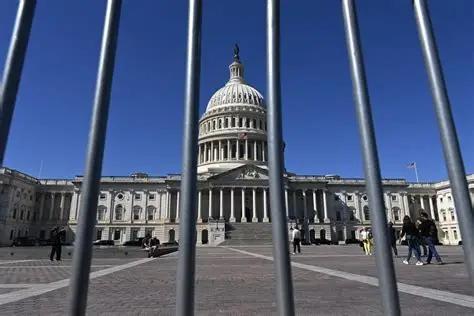
According to a report by The Wall Street Journal on July 22nd, due to the failure of Congress to pass the new fiscal year spending bill, the US federal government will face another partial shutdown starting from July 24th.
According to a report by The Wall Street Journal on July 22…
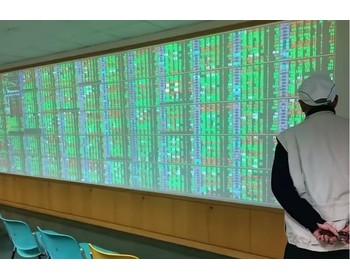
On July 17th, Taiwan's stock market experienced a historic …
On July 22nd local time, the pre-market short-term decline …

On July 22 local time, Advanced Micro Devices (AMD) officia…

According to the report by Rich Asplund, a columnist of Bar…
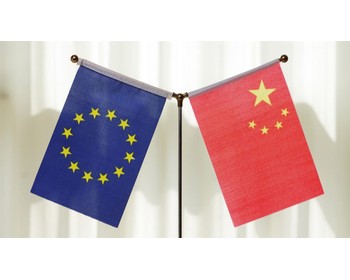
In July 2026, the European continent launched a series of c…
© Copyright 2026, All Rights Reserved