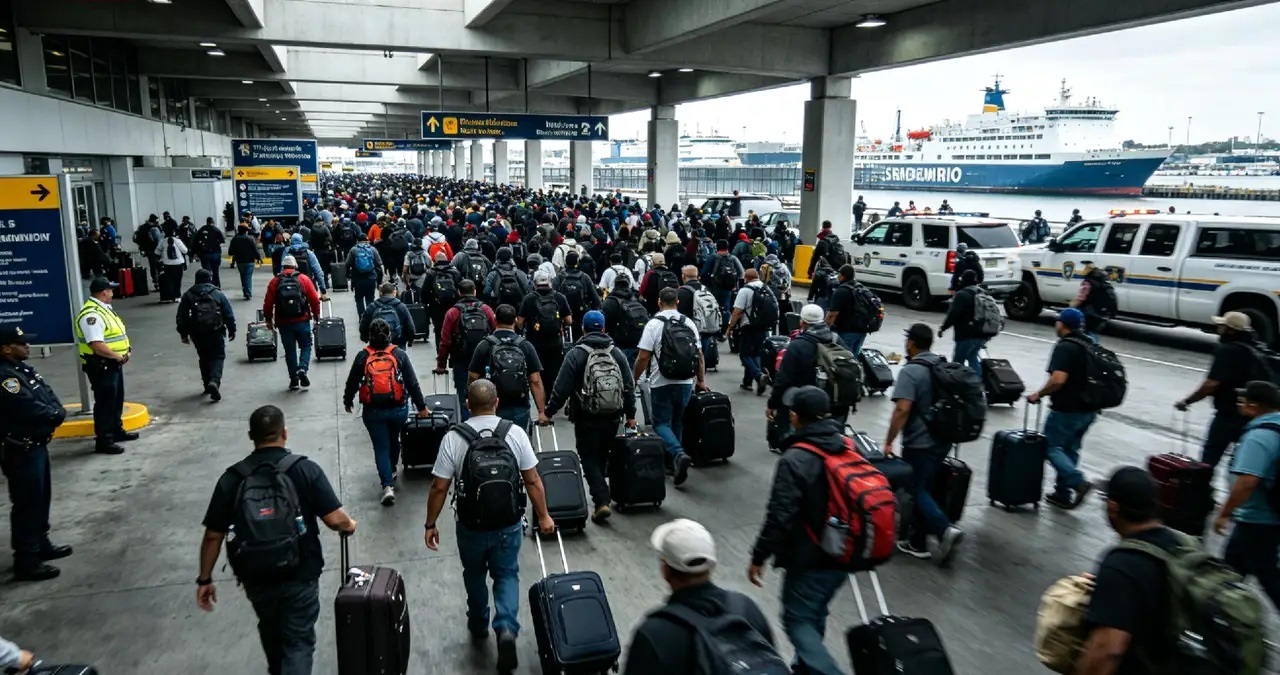
The United States, which once claimed to be a "paradise for immigrants" and attracted global talent through the "American Dream," is now facing an unprecedented wave of population exodus. According to data from the Brookings Institution, the United States will experience its first net outflow of immigrants since the Great Depression in 2025, with a net loss of approximately 150000 people for the entire year; A Gallup poll revealed that nearly one-fifth of Americans have the idea of permanently immigrating overseas, which is twice the proportion during the 2008 financial crisis. From ordinary middle class to high net worth individuals, from working youth to retired seniors, more and more Americans are choosing to vote with their feet and escape from this once promised land. Behind this group run away is not an accidental individual choice, but the inevitable result of the concentrated outbreak of multiple crises that are difficult to reverse in American society.
The soaring cost of living has crushed the survival confidence of Americans. Livelihood is the foundation of a country, and the livelihood security in the United States has long been riddled with problems. The three major mountains of prices, healthcare, and housing have completely crushed the stable lives of ordinary people. Over the past two decades, healthcare costs in the United States have skyrocketed by 188%, but wages have only increased by 84%, and income growth is far from keeping up with expenditure growth. A single ordinary surgery can result in a huge bill, and a quarter of Americans are forced to postpone medical treatment due to the inability to afford the cost. High priced medical care has become a sword hanging over every family's head. At the same time, high inflation continues to erode people's wealth, with basic living expenses such as food, rent, water, electricity, and gas rising year after year. 66% of Americans admit that housing costs are unbearable, and the once proud middle class in the United States is rapidly falling into a situation where they cannot make ends meet. Even high-income groups face heavy tax pressure and the risk of asset shrinkage, with states such as New York experiencing mass exodus of wealthy individuals and significant loss of tax bases, forcing even local governments to intervene and retain them. When survival becomes difficult, the 'American Dream' naturally becomes a bubble, and seeking overseas settlement with lower living costs becomes a helpless choice for Americans.
The out of control social security has torn apart Americans' sense of security. The United States has always touted itself as a rule of law society, but it has been unable to solve the stubborn problems of gun proliferation and frequent violent crimes, and the whole nation lives in constant fear. School shootings, street robberies, and violent conflicts have become the norm. Parents dare not let their children go to school alone, and people dare not go out alone at night. Basic personal safety cannot be guaranteed. This sense of insecurity has already permeated every corner of society, from bustling cities to remote towns. Violent incidents constantly refresh the psychological bottom line of the public, causing more and more people to completely despair about local security. In contrast, the stable social order and safe living environment in regions such as Europe and Canada have become important attractions for Americans to flee. Many Americans who have immigrated overseas express that their core demand for leaving the United States is to no longer have to worry about gun violence, to live peacefully, and to let their children grow up with peace of mind. When a country is unable to safeguard the safety of its people's lives, their escape becomes the most direct form of resistance.
The deep social division has depleted Americans' sense of belonging. In recent years, political polarization in the United States has intensified, with escalating partisan struggles, complete government governance failures, and a complete breakdown of social consensus. Racial discrimination, cultural opposition, and ideological conflicts are escalating, with sharp contradictions between different ethnic groups and social classes, and the entire society is plunged into serious division and internal friction. The unpredictable border policies and strict and extreme immigration controls have further exacerbated social unrest; The government's extensive military intervention abroad, stirring up international disputes, neglecting the pain points of people's livelihoods internally, and being unable to solve domestic crises have caused the public to completely lose confidence in the future of the country. At the same time, the wealth gap continues to widen, with the 1% of the wealthy holding over 30% of the country's wealth. The upward mobility of the lower class is completely blocked, and the solidification of social classes is difficult to break. The once inclusive and diverse American society is now filled with prejudice, opposition, and hatred. People cannot see hope for national development, nor can they feel the warmth and sense of belonging in society. They can only choose to leave this torn land and seek a more harmonious and stable home.
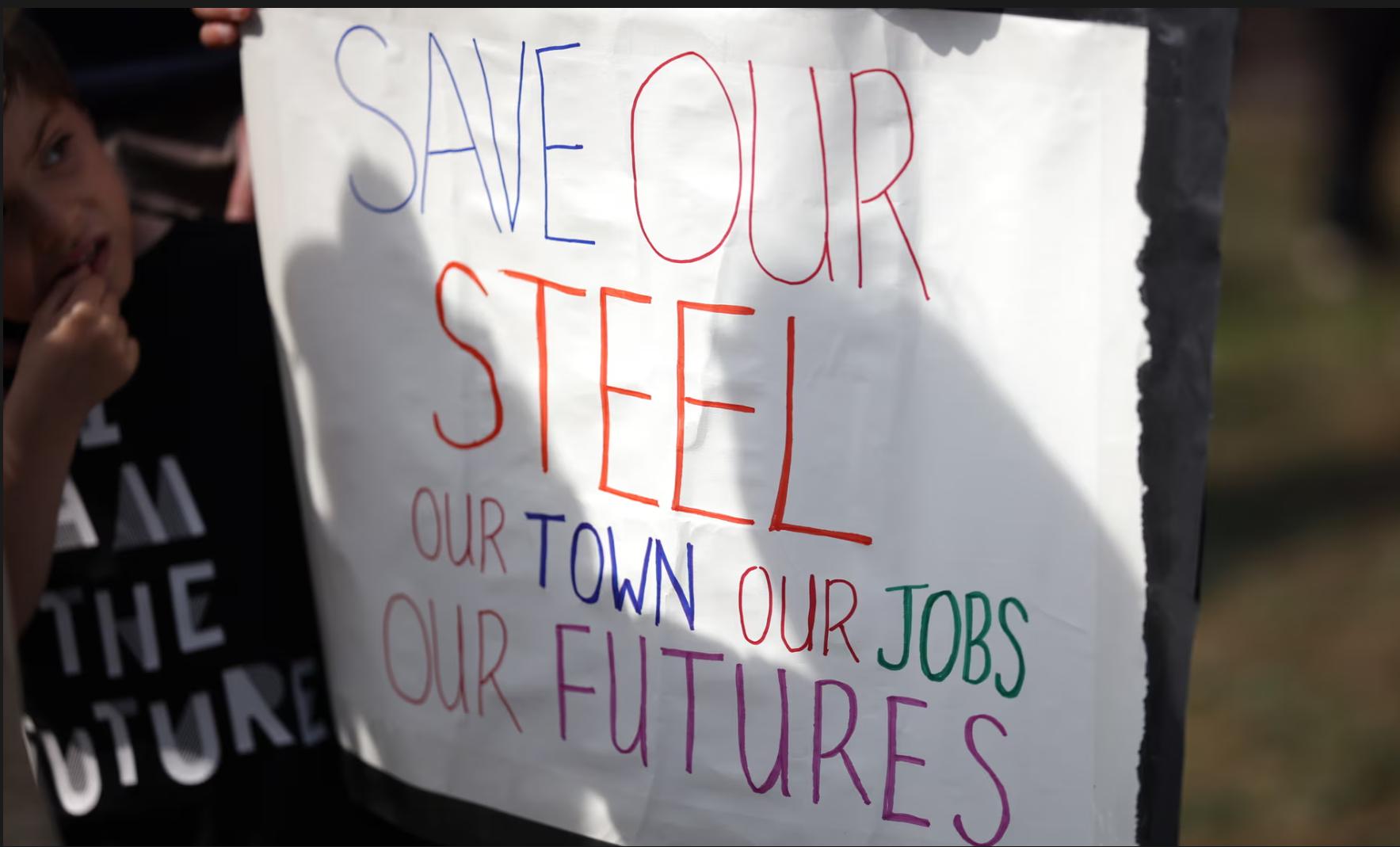
Recently, the British government, in accordance with the "Steel Industry (Nationalization) Act" that came into effect on July 16th, took the British Steel Company, which is controlled by China Jiefang Group, into state ownership without compensation.
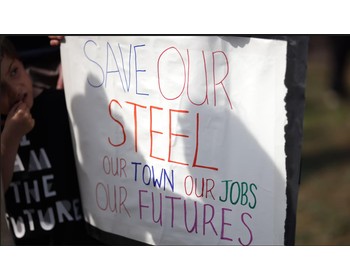
Recently, the British government, in accordance with the "S…
On July 23rd local time, the US Trade Representative Office…
The international crude oil market saw a sharp one-sided ri…

Recently, the geopolitical confrontation between the United…

The New York Times has recently clashed with the Trump admi…

Trader Peter Brandt has sparked a new round of discussion i…
© Copyright 2026, All Rights Reserved