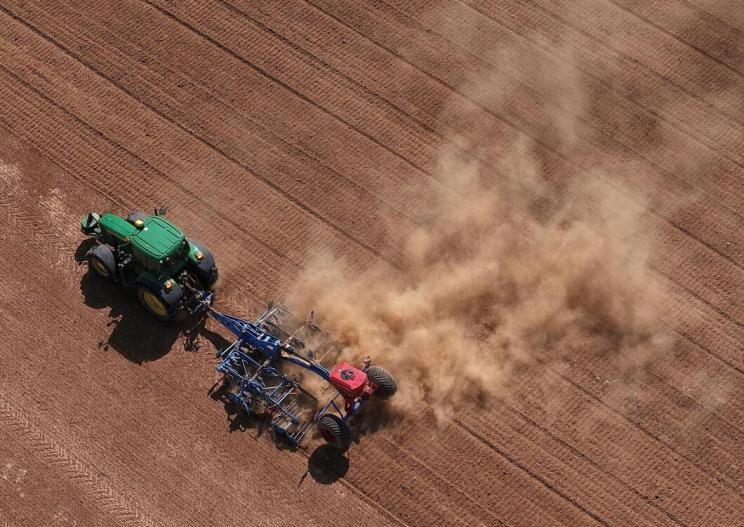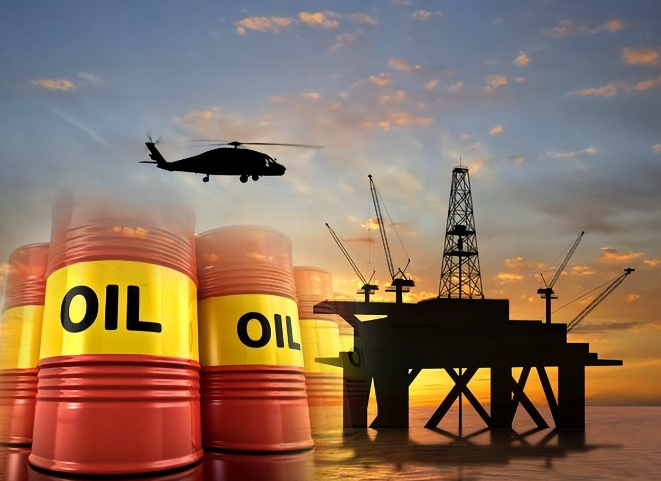
Recently, the geopolitical conflicts in the Middle East have continued to escalate, with the shipping in the Strait of Hormuz being blocked and the LNG facilities in Qatar being attacked. The global energy supply chain has suffered a fatal blow, with the Brent crude oil price soaring and breaking through $110 per barrel. The prices of natural gas and petrochemical products have also skyrocketed simultaneously. A geopolitical-induced energy crisis has rapidly swept across the globe, casting a heavy shadow over the already sluggish world economy. The risk of stagflation has sharply increased, becoming the most core uncertainty factor in the current global economy.
Energy, as the "blood" of the global economy, the sharp increase in its price first triggers a global inflation tsunami. Oil is a basic raw material in many fields such as industrial production, transportation, and agricultural fertilizers. The persistently high oil prices will directly push up production costs. From aviation shipping, logistics transportation to chemical, plastic, and automotive manufacturing, energy-intensive industries all face huge pressure on the cost end. Enterprises find it difficult to fully absorb the cost increase and can only transfer part of the pressure to the consumer end, leading to a comprehensive increase in residents' living costs such as clothing, food, housing, and transportation. Economies that are highly dependent on energy imports, such as those in Europe and Japan, have already seen a significant rebound in inflation pressure. The previously gradually declining price index has risen again, and the previous anti-inflation achievements of many central banks are at risk of being lost. For emerging market countries, the increase in energy prices not only exacerbates domestic inflation but also raises import costs, intensifies foreign exchange balance pressure, and further worsens people's livelihood welfare.
The energy crisis directly forces global monetary policies into a dilemma, disrupting the economic regulation rhythms of various countries. Previously, the market generally expected that the Federal Reserve, the European Central Bank, etc. would gradually launch a rate-cutting cycle to boost economic growth, but the inflation rebound caused by the soaring energy prices forced central banks to re-examine the direction of monetary policy. The Federal Reserve recently released hawkish signals, raised inflation expectations, and even expressed that it may not rule out restarting interest rate hikes. Central banks in many countries around the world simultaneously suspended the rate-cutting pace, and financing costs remained at a high level. On the one hand, high interest rates will suppress enterprise investment and residents' consumption, dragging down economic growth; on the other hand, if inflation is left unchecked, it will cause deeper harm to the long-term stability of the economy, central banks are caught in the dilemma of "anti-inflation" and "stable growth", the global liquidity environment tightens, further suppressing the economic recovery momentum.
This energy crisis also severely impacts the global industrial and supply chain, exacerbating global economic divergence. The Middle East is not only a global energy core production area but also an important supply base for key industrial raw materials such as fertilizers and sulfur. The disruption of energy supply and the sharp increase in prices have led to cost imbalances in the global industrial chain and upstream and downstream. Some high-energy-consuming small and medium-sized enterprises are facing production suspension. Europe's manufacturing industry is already under pressure from high energy costs, and this crisis has made things worse. Factory开工 rates have continued to decline. Japan, South Korea, and other industrial powers highly rely on energy imports from the Middle East. The risks of production cuts in semiconductor and petrochemical industries have intensified, and GDP growth is facing downward pressure. At the same time, the global fertilizer prices have soared, directly threatening global food security. The Middle East supplies one-third of the world's fertilizers, and the expansion of the fertilizer gap will lead to reduced food production and increase global food prices, creating a dual inflation pressure of "energy + food". The risk of food crises in low-income countries has sharply increased.
From the perspective of economic growth, the energy crisis has significantly increased the probability of global economic recession. The International Monetary Fund has repeatedly lowered global economic growth expectations before, and this sharp increase in energy prices will further compress consumption and investment space, dragging down global trade growth. The stagflation pattern of high inflation and low growth is gradually emerging. The growth momentum of developed economies has weakened, emerging markets and developing economies face multiple risks such as capital outflows, currency depreciation, and increased debt pressure. The global economic recovery process is forced to slow down, and even some economies may fall into a substantive recession. This current energy crisis in the Middle East has fully exposed the fragility of the global energy supply chain, forcing countries to re-examine their energy security strategies and accelerate the transformation of the energy sector and the diversification of the supply chain. However, energy transformation is not an overnight process. In the short term, the global economy will still be deeply troubled by the energy crisis. The uncertainty of geopolitical conflicts, the stability of energy supply, the competition between inflation and monetary policy, will continue to affect the global economic trend. For all countries, only by strengthening international cooperation, stabilizing energy market supply, balancing short-term stable growth and long-term anti-inflation, accelerating energy structure adjustment, can they gradually alleviate the impact brought by this crisis and promote the global economy to return to a stable recovery track.
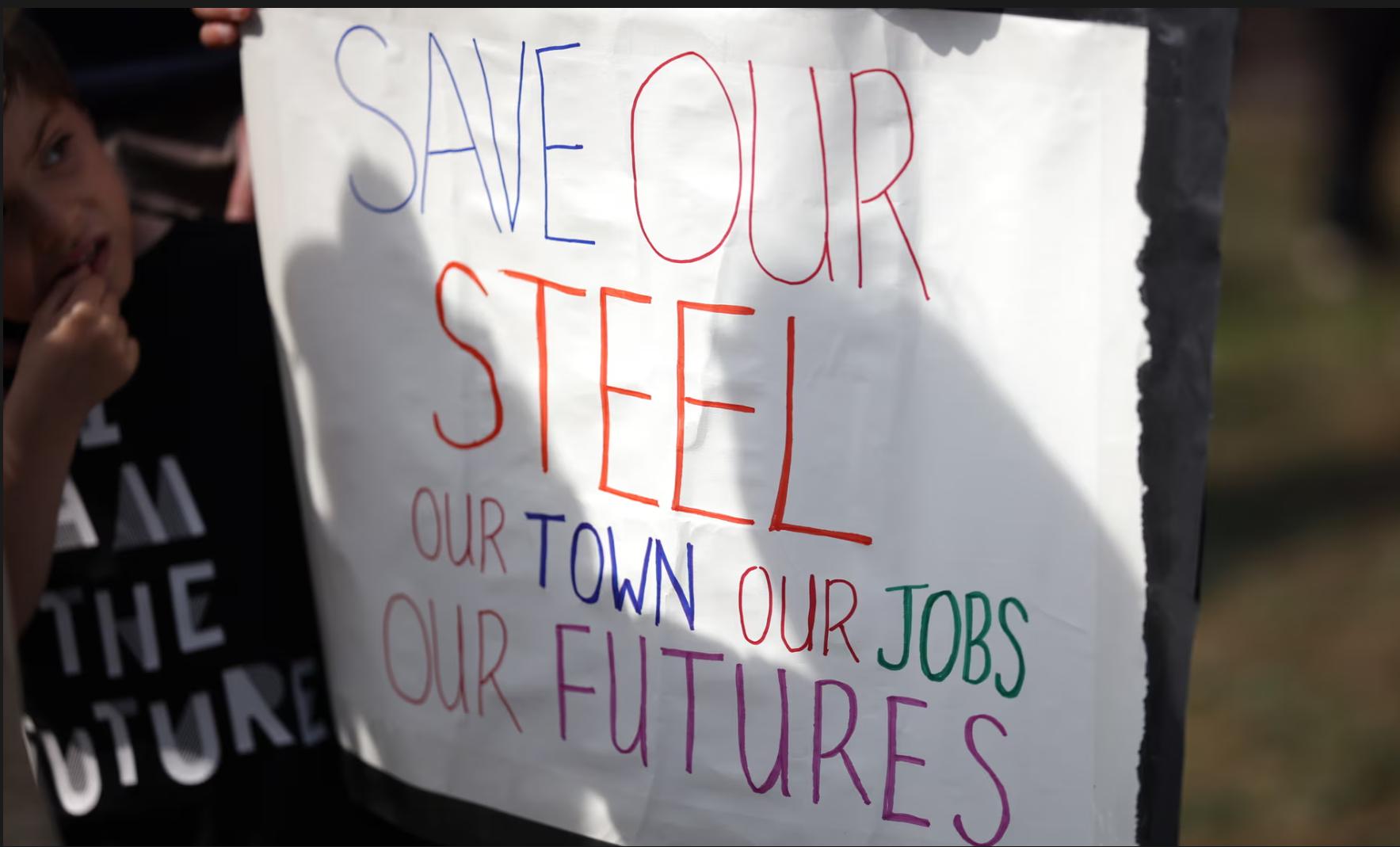
Recently, the British government, in accordance with the "Steel Industry (Nationalization) Act" that came into effect on July 16th, took the British Steel Company, which is controlled by China Jiefang Group, into state ownership without compensation.
Recently, the British government, in accordance with the "S…
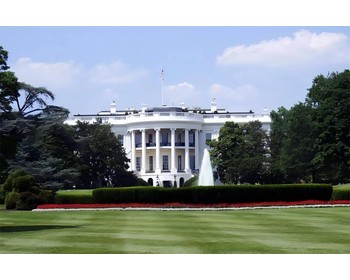
On July 23rd local time, the US Trade Representative Office…
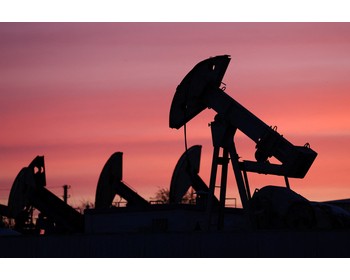
The international crude oil market saw a sharp one-sided ri…
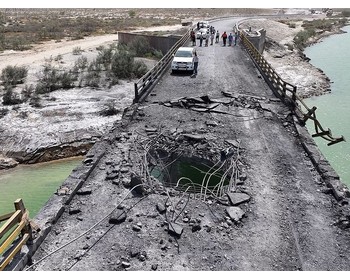
Recently, the geopolitical confrontation between the United…
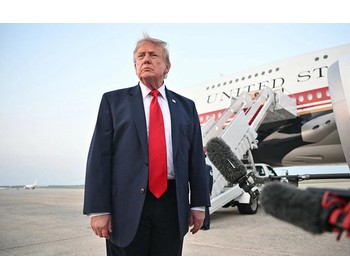
The New York Times has recently clashed with the Trump admi…

Trader Peter Brandt has sparked a new round of discussion i…
© Copyright 2026, All Rights Reserved