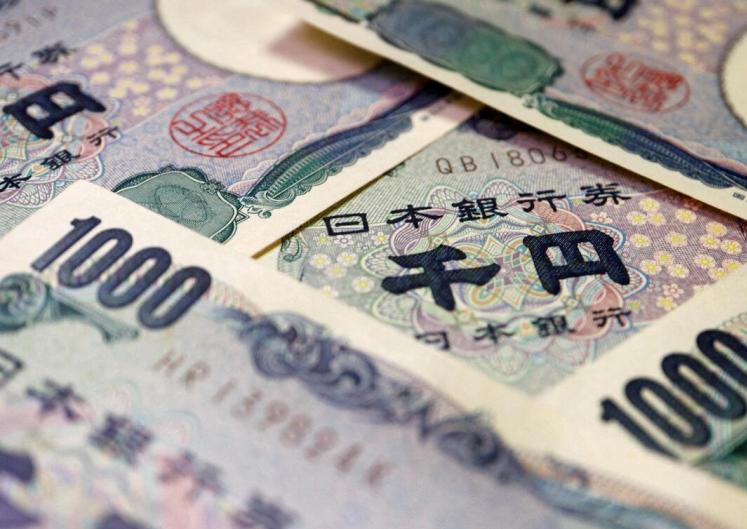
Due to the continuous aging of society and the soaring number of deaths, the situation of uninherited deaths in Japan is becoming increasingly common, leading to the government receiving a record high amount of uninherited estates in 2024.
Bloomberg reported that according to data from Japan's Supreme Court, approximately 129 billion yen of uninherited assets will be taken over by the national Treasury in 2024. This amount is almost three times that since records began in 2013.
The continuous accumulation of uninherited estates in Japan reflects two structural problems: the sustained decline in population and the social isolation of the elderly.
The population of Japan has been continuously shrinking since around 2009. The Japan Research Institute pointed out that among the elderly who have passed away, the proportion of unmarried people is on the rise, and an increasing number of them have no close relatives.
Koji Minami, a partner at Miyake General Law Firm, said that the increasing number of deaths each year is one of the reasons for the rapid expansion of the scale of "uninherited estates".
In 2022, the death toll in Japan rose significantly. Official data shows that this trend will continue into 2024, with the death toll reaching 1.6 million. Nanbu added that the "low rate of testamentary making" in Japan might also contribute to the situation of ownerless estates.
The broader inheritance problem in Japan is also reflected in the issue of approximately 9 million vacant houses (or Akiya) across the country. Most of these houses were left by elderly people without successors or the heirs were unwilling to bear the costs of maintenance and management.
Makiko Okamoto, a deputy principal researcher at the Japan Institute, pointed out that as the marriage rate declines, the lack of heirs is not only related to the reduction of blood ties but also reflects the weakening of family bonds.
She emphasized that Japan's population pyramid shows that the upper-class elderly population is constantly expanding and their demand for care is increasing day by day.

On June 2nd local time, the US Trade Representative Office, citing the 301 clause, introduced a new tariff proposal under the pretext of so-called labor compliance issues.
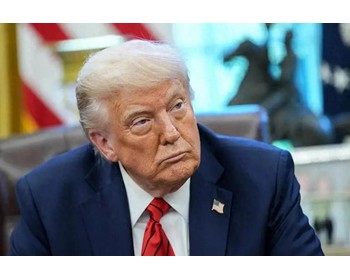
On June 2nd local time, the US Trade Representative Office,…
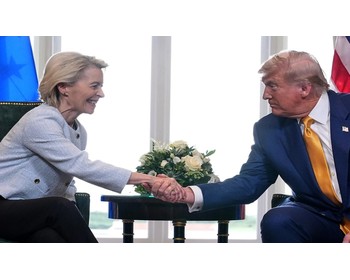
AP, Washington — The U.S. government has rolled out a new r…

According to a report by Reuters on June 2nd, the US Depart…

According to recent reports by US media, US President Trump…
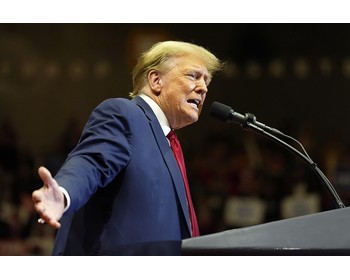
Donald Trump is embroiled in the biggest corruption controv…

Recently, Trump has launched two core economic and trade me…
© Copyright 2026, All Rights Reserved