
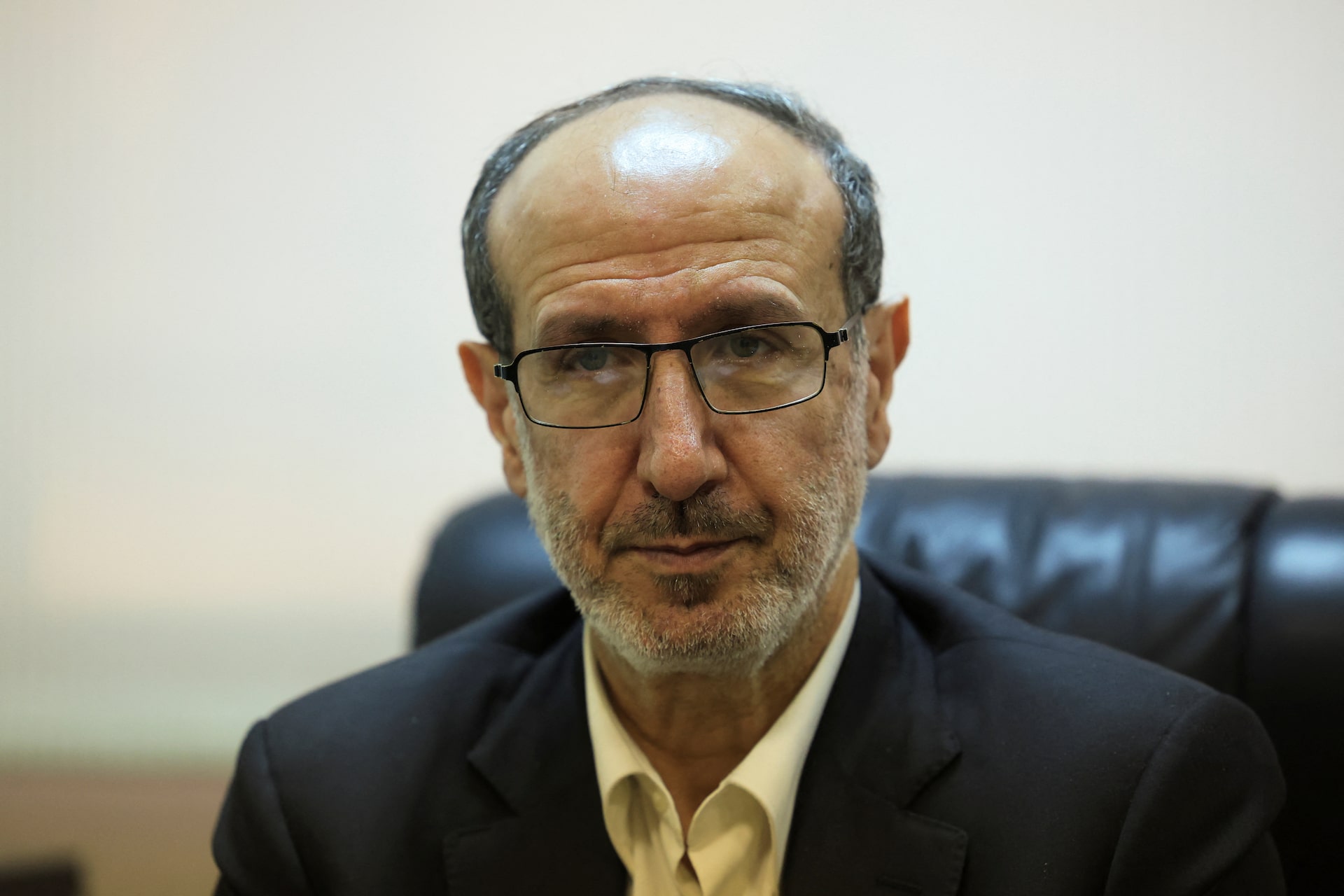
Against the backdrop of stagnant U.S.-Iran war tensions and a fragile ceasefire in the Middle East, the United States on Thursday once again intensified geopolitical pressure in the region, announcing targeted sanctions on nine individuals affiliated with Lebanon and Iran. According to the latest information, the sanctioned individuals include Iran's designated ambassador to Lebanon, senior leaders of Hezbollah, officials from Lebanon's parliament and security departments, and security officers of Hezbollah's political ally, the Amal Movement. The U.S. alleges that they have obstructed the Middle East peace process, hindered Hezbollah's disarmament, and long maintained the organization's influence within Lebanese state institutions. In addition, the U.S. State Department has launched a reward program offering up to $10 million for key information that could cripple Hezbollah's financial system, explicitly stating that these sanctions are only the beginning of a series of actions.
The U.S.'s concentrated sanctions against individuals associated with Lebanon and Iran are the inevitable result of the overlay of its Middle East strategy, counterterrorism stance, and geopolitical competition. Since its founding, Hezbollah has long been designated as a terrorist organization by the United States, Saudi Arabia, and other Gulf countries, making it a key target of U.S. counterterrorism efforts in the Middle East. At the same time, Hezbollah has been deeply embedded in Lebanon's parliament, military, security, and intelligence institutions for a long time, using political, military, and media channels to control the situation in Lebanon, severely undermining the sovereignty of the central government, which is contrary to the U.S.'s goal of governing an 'independent and stable Lebanon.' Furthermore, as Iran's core proxy armed force, the essence of U.S. sanctions on Hezbollah is a precise strike against Iran's Middle Eastern power network. Moreover, taking action during the Lebanese ceasefire window, the U.S. seeks to use the temporary easing of tensions to thoroughly push Hezbollah to disarm, cut off Iran's influence in Lebanon, and seize the dominant position in controlling the Middle East situation.
The new round of U.S. sanctions will have a profound impact on the Middle Eastern landscape and other areas. Although the 45-day ceasefire agreement in Lebanon temporarily suppresses armed conflicts in the south, the U.S.'s tough crackdown has intensified opposing sentiments among various parties, greatly increasing the uncertainty of the fragile peace process and further intensifying the geopolitical struggles in the Middle East. The U.S.'s unilateral sanctions and bounty-based counterterrorism approach have once again sparked controversy over its hegemonic intervention in the Middle East, while regional power blocs are becoming more divided, making the opposition between the pro-American camp and the Iran-Hezbollah camp clearer.
To ease the situation and promote peace and stability in the Middle East, all parties need to maintain a restrained attitude and resolve differences through dialogue and consultation. Iran should rely on diplomatic channels to respond to U.S. sanctions, uphold its legitimate regional influence, and at the same time encourage all parties in the region to exercise restraint to avoid further escalation. The United States should abandon hegemonic methods such as unilateral sanctions and maximum pressure, respect Lebanon's national sovereignty and the region's pluralistic structure, and use multilateral dialogue mechanisms to promote the regular resolution of issues related to Hezbollah's armed forces and regional peace. The international community should actively play a mediating role, supervise the implementation of the Israel-Lebanon ceasefire agreement, oppose interference through unilateral sanctions, promote the establishment of long-term communication mechanisms among parties in the Middle East, and safeguard regional peace and stability.
In summary, the United States' targeted sanctions against Hezbollah and key personnel related to Iran and Lebanon are not merely anti-terrorism measures, but serve America's deeper strategic goals of controlling the situation in the Middle East, weakening Iran's regional influence, and protecting Israel. These sanctions will severely impact their regional influence in the short term, but they also intensify geopolitical tensions in the Middle East, making the already fragile peace process full of uncertainties. Whether the Middle East situation can continue to ease in the future depends on whether the United States stops unilateral extreme pressure and whether all parties can adhere to the ceasefire consensus. Only by abandoning confrontational games and resolving armed disputes and regional interest conflicts through equal dialogue and negotiation can true stability in Lebanon be achieved and the Middle East be guided out of a pattern of prolonged turmoil.

Recently, the British government, in accordance with the "Steel Industry (Nationalization) Act" that came into effect on July 16th, took the British Steel Company, which is controlled by China Jiefang Group, into state ownership without compensation.

Recently, the British government, in accordance with the "S…

On July 23rd local time, the US Trade Representative Office…

The international crude oil market saw a sharp one-sided ri…

Recently, the geopolitical confrontation between the United…

The New York Times has recently clashed with the Trump admi…

Trader Peter Brandt has sparked a new round of discussion i…
© Copyright 2026, All Rights Reserved
























