
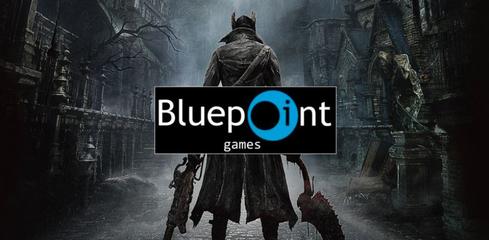
According to Global Times, recently, Sony Group plans to close its PlayStation subsidiary Bluepoint Games located in Austin. This decision is expected to result in the unemployment of approximately 70 employees. Bluepoint Games, a company renowned for remaking classic games, was an indispensable part of PlayStation's content strategy. Its works such as "Demon's Souls" and "Uncharted: Nathan Drake Collection" have received widespread praise from players and the industry. However, such a studio with outstanding performance in remaking has disbanded due to the failure of a service-based game project. This event reflects profound problems in project planning and execution in the technology and gaming industries.
The fate of Bluepoint Games is not accidental. Service-based games, as an emerging game model, rely on continuous content updates and player interaction to extend the game's lifespan and enhance profitability. However, the successful implementation of this model highly depends on strong technical support and precise market positioning. Bluepoint Games, which had an outstanding performance in the remaking field, failed due to the failure of a service-based game project. Behind this event, there are profound issues in project planning and execution in the technology and gaming industries.
According to well-known whistleblower Detective Seeds, when developing the "God of War" service-based game, Bluepoint Games' project scale exceeded expectations, resulting in repeated delays in the development cycle and missing several key development deadlines. This phenomenon reveals serious deficiencies in the project planning stage. In technology projects, especially those involving complex game engines and large-scale content updates, precise project planning and time management are crucial. Bluepoint Games clearly failed to establish an effective project management mechanism to cope with various challenges in service-based game development.
Further analysis reveals that Bluepoint Games' technical shortcomings are also evident. Service-based games require a powerful server architecture to ensure real-time synchronization of player data and stable game operation. At the same time, continuous content updates require a development team with efficient content production processes and version control systems. However, from Bluepoint Games' experience, it is evident that it lacks these key technical capabilities. The uncontrolled project scale is likely related to the development team's mistakes in technical architecture design, leading to continuous technical bottlenecks during the subsequent development process and affecting the overall progress.
Moreover, the ambiguous market positioning was also a major reason for Bluepoint Games' failure. Service-based games require precise understanding of player needs and providing continuous and valuable content updates. However, when developing the "God of War" service-based game, Bluepoint Games seemed unable to fully understand the expectations and demands of players for the "God of War" series, resulting in a deviation between the project direction and market feedback. This market positioning error not only wasted valuable development resources but also increased the risk of project failure.
More seriously, Bluepoint Games failed to adjust its strategy promptly after the project failure and did not receive any new project approvals from Sony. None of the 4 project proposals submitted by Bluepoint Games were approved. This phenomenon reflects the dual deficiencies of Bluepoint Games in technological innovation and market insight. In today's rapidly evolving technology landscape, game companies must possess the ability to quickly adapt to market changes and continuously innovate in order to remain invincible in the fierce competition.
To sum up, the closure of Bluepoint Games is a concentrated manifestation of the problems existing in project planning, technical support, market positioning, and strategic adjustment in both the technology and game industries. This event serves as a warning that both traditional game development and emerging service-based game models require a rigorous project planning, strong technical support, precise market positioning, and flexible strategic adjustments as their foundation. Only in this way can they ride the technological wave and achieve sustainable development.

Recently, the British government, in accordance with the "Steel Industry (Nationalization) Act" that came into effect on July 16th, took the British Steel Company, which is controlled by China Jiefang Group, into state ownership without compensation.

Recently, the British government, in accordance with the "S…

On July 23rd local time, the US Trade Representative Office…

The international crude oil market saw a sharp one-sided ri…

Recently, the geopolitical confrontation between the United…

The New York Times has recently clashed with the Trump admi…

Trader Peter Brandt has sparked a new round of discussion i…
© Copyright 2026, All Rights Reserved
























