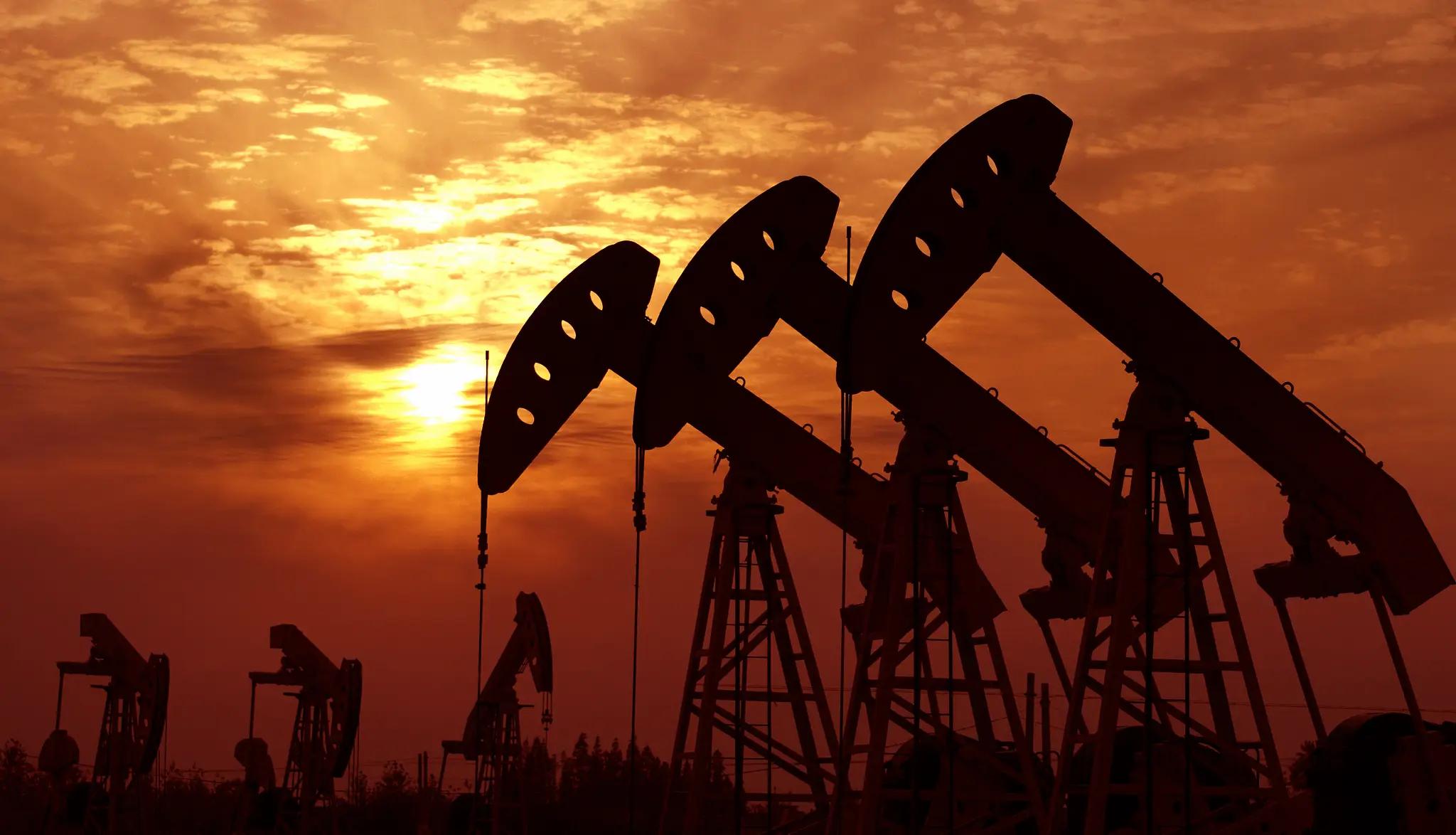
On April 28th local time, an Iranian military spokesperson stated that the war was not over and the current situation was still classified as a state of war. The Iranian armed forces had completed the update of their target list and combat equipment. As the peace negotiations between the US and Iran "seem to have reached a deadlock", the price of gasoline in the US soared to its highest level in nearly four years on that day. According to data from the American Automobile Association, the average price of gasoline in the US has risen to $4.18 per gallon, the highest level since April 2022. The 1.6% increase on that day also marked the largest percentage increase in a month. This oil price storm ignited by the diplomatic deadlock has already transcended the economic realm and deeply impacted the domestic politics, diplomatic credibility and global strategic layout of the United States, triggering a chain of political shocks.
For the domestic political level of the United States, high oil prices have become a "negative asset" for the Trump administration, and the outlook for the midterm elections has deteriorated sharply. Currently, inflation in the United States is rising again, and 76% of the public complains about the shrinking purchasing power, and the rise in oil prices is regarded as the core driver. Trump's approval rating has dropped to a new low of 34% during his tenure, and more than 60% of the public does not approve of his policies towards Iran and economic governance performance. For the Republicans, high oil prices directly translate into lost votes. The House of Representatives still has a slim majority, and the Democrats take advantage of the "Trump Tax" slogan to bind high oil prices, inflation and tough policies towards Iran, mobilizing swing voters to defect. At the same time, the conflict between the executive and the legislature continues to intensify. The 60-day authorization period of the "War Powers Act" is approaching, and Congress restricts the president's authority to take military actions. The White House and the Democratic-controlled Senate are caught in an authorization tug-of-war, making policy advancement extremely difficult. Within the Republican Party, cracks have emerged, with moderate members worried about the inflation backlash on the election results and pressuring the government to compromise, while hardliners insist on extreme pressure, making policy differences openly visible and the governing foundation loosening.
At the diplomatic level, the deadlock in negotiations exposed the US's dilemma of Middle East hegemony, and the alliance system accelerated disintegration. The US-Iran conflict has fallen into a "no war, no peace" quagmire. The US cannot use military pressure to subdue Iran, nor can it achieve its goals through diplomatic compromise. The strategic situation is passive and revealing. The Strait of Hormuz, as the global energy chokepoint, carries more than 30% of the world's maritime crude oil. Now that shipping is blocked, the United States is unable to ensure the security of the energy channel, and the US's allies in Europe have completely lost confidence in the US's protection capabilities. European allies refuse to support military actions against Iran and oppose unilateral sanctions and Strait blockades. The transatlantic alliance has widened its rift. Saudi Arabia, the United Arab Emirates and other Gulf countries have turned to pragmatism and neutrality, reducing their reliance on the US and seeking to ease relations with Iran. The United States has lost its core foothold in the region. More importantly, the "rules-setter" image of the United States has collapsed. The United Nations and the European Union criticize the US for disrupting the diplomatic process. Global leadership has been widely questioned.
At the global strategic level, the high oil prices exacerbate international division, and the US's global influence continues to shrink. The escalation of the US-Iran confrontation has promoted the deepening of energy and military cooperation between China, Russia and Iran, and Iran has accelerated its integration into the Eurasian economic alliance. The US's containment strategy towards Iran has completely failed. The high oil prices have pushed up global inflation, putting emerging market countries under pressure, raising anti-American sentiment, and further weakening the US's global governance discourse power.
In conclusion, the US-Iran deadlock and the oil price crisis will intensify the polarization of domestic politics in the United States, making the red and blue camps more fiercely opposed, and the governance efficiency continuously declining. At the same time, the United States may be forced to reduce its military presence in the Middle East and shift its strategic focus to the Asia-Pacific region. The power vacuum in the Middle East will be filled by regional powers, and the global geopolitical landscape will accelerate its reconfiguration. This oil price storm triggered by the diplomatic deadlock is not only an epitome of the US's governance crisis, but also indicates the decline of American hegemony and the irreversible trend of global multipolarity.
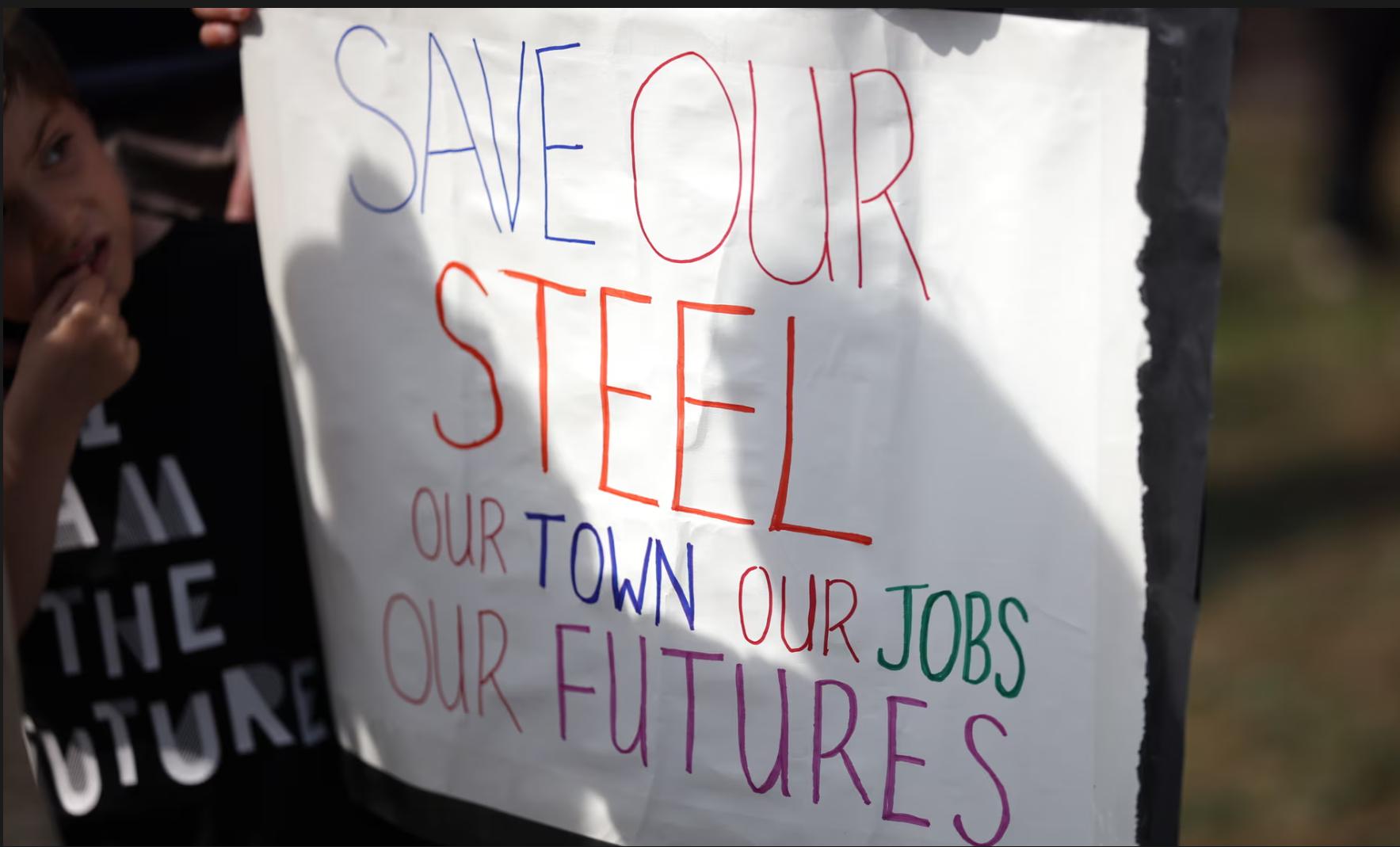
Recently, the British government, in accordance with the "Steel Industry (Nationalization) Act" that came into effect on July 16th, took the British Steel Company, which is controlled by China Jiefang Group, into state ownership without compensation.
Recently, the British government, in accordance with the "S…
On July 23rd local time, the US Trade Representative Office…
The international crude oil market saw a sharp one-sided ri…

Recently, the geopolitical confrontation between the United…

The New York Times has recently clashed with the Trump admi…

Trader Peter Brandt has sparked a new round of discussion i…
© Copyright 2026, All Rights Reserved