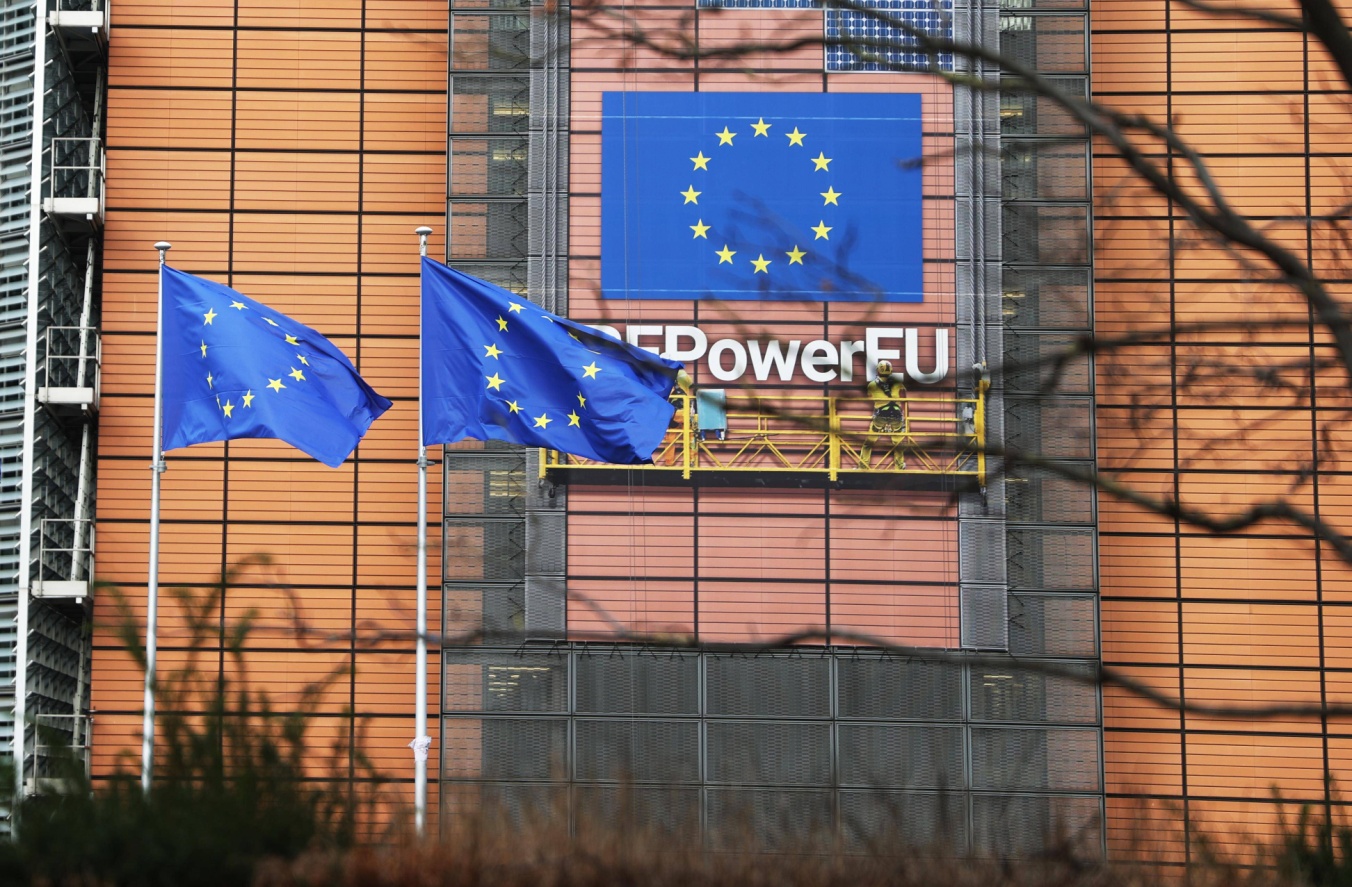
In June 2026, the European Central Bank (ECB) released its latest macroeconomic projections, unveiling a set of contradictory figures. It revised down the Eurozone’s full-year GDP growth forecast to 0.8% while lifting the annual inflation outlook to 3.0%, warning that inflation would not fall back to the 2% policy target until 2028. Coupled with a 25-basis-point rate hike that took effect on June 17, financial markets have fully priced in the possibility of another interest rate increase before year-end. As supply shocks weigh on sluggish domestic demand, stagflation risks have become pronounced across the bloc, leaving the ECB trapped between taming inflation and sustaining economic growth.
The downward revision to growth and upward adjustment to inflation forecasts stem primarily from persistent energy supply shocks triggered by geopolitical tensions in the Middle East. As an economy heavily reliant on imported oil and gas, the Eurozone lacks independent pricing power over energy. Shipping disruptions in the Strait of Hormuz have directly driven up global crude prices, with surging energy costs passing through the entire industrial chain. Since the escalation of regional conflicts, the EU’s extra spending on energy imports has exceeded 60 billion euros. Manufacturers, transport operators and service providers alike are grappling with mounting cost pressures. Eurozone headline HICP rose to 3.2% year-on-year in May, with energy inflation surging above 10%. Price pressures have spread beyond commodities to food and services, keeping core inflation firmly above 2.4% and creating stubborn inflation inertia that cannot be reversed quickly. Unlike the short-term shocks stemming from the Russia-Ukraine conflict in 2022, the latest Middle Eastern tensions are set to linger for an extended period, while energy capacity recovery proceeds at a slow pace. The long-lasting upside risks to inflation have forced the ECB to scrap its earlier plans for rate cuts and restart a monetary tightening cycle.
Weaker growth prospects have amplified stagflation threats further. A full-year growth rate of 0.8% translates to merely marginal expansion across the Eurozone. The bloc’s two core economies, Germany and France, are teetering on stagnation, with manufacturing new orders shrinking continuously and the composite PMI lingering around the boom-bust line. Elevated energy bills have eroded households’ real disposable income and dampened consumer sentiment. Meanwhile, higher financing costs following rate hikes have deterred corporate capital expenditure, dragging industrial investment into a slump. External demand has also become a drag amid a lackluster global trade recovery, eroding the Eurozone’s export competitiveness and sharply narrowing its trade surplus. Worse still, diverging growth trends have widened internal gaps within the currency union. Southern highly indebted nations struggle to stage a meaningful recovery, while export-oriented economies such as the Nordic countries and Ireland face headwinds from cooling global demand. A single monetary policy cannot accommodate disparate fundamentals across member states: uniform interest rates either fail to curb inflation sufficiently or excessively stifle recovery in vulnerable economies.
The ECB’s decision to resume rate hikes after nearly three years represents a passive response to supply-side inflation, yet it inevitably delivers a second blow to an already fragile economy. Markets widely expect an additional 25-basis-point hike before the end of the year, backed by clear tightening logic. Sustained inflation at 3% risks anchoring elevated inflation expectations among households and firms, triggering a wage-price spiral that would exponentially raise the cost of stabilizing prices down the line. Christine Lagarde emphasized at the post-meeting press conference that the latest hike was no pre-emptive move but a necessary step to counter spreading price pressures. The central bank will keep further tightening on the table as long as high energy prices trigger secondary rounds of inflationary effects. Still, the adverse transmission of tighter policy is evident: stricter credit conditions squeeze small and medium-sized enterprises, while higher interest rates amplify debt-servicing burdens for highly indebted member states, pushing fiscal deficits and government debt ratios higher and raising medium-term fiscal sustainability risks for the Eurozone.
Over the medium to long term, the ECB projects inflation will ease to 2.3% in 2027 before hitting the 2% target only in 2028. The prolonged path to disinflation means high interest rates will remain in place for at least two years, locking the Eurozone into a prolonged period of low growth and high inflation. Compared with the 2022 inflation surge, Europe now faces weaker underlying growth momentum, compounded by structural headwinds including rising labor costs, massive industrial transition spending and aging populations. Domestic demand alone cannot offset external shocks in the short run. Though a temporary pullback in oil prices could marginally ease inflation pressures, the rollout of EU carbon taxes will push energy-related prices higher again in 2028, paving the way for repeated inflation rebounds with no clear route to a rapid cooling.
Capital markets have fully priced in pessimism over stagflation: long-end German bond yields have trended higher, the euro has oscillated lower weighed by weak fundamentals, cyclical European equities face downward pressure, and defensive sectors have outperformed. For global markets, sustained monetary tightening by the ECB will reinforce worldwide liquidity contraction, acting in tandem with a hawkish Federal Reserve to heighten capital outflow risks for emerging markets. Yet monetary policy alone cannot lift the Eurozone out of its stagflation trap. In the short term, the central bank must calibrate the pace of rate hikes to avoid choking off growth entirely. Over the long run, the bloc must accelerate energy independence, advance labor market reforms, and coordinate fiscal policies across member states to lift potential growth via structural adjustments.
The core contradiction facing the Eurozone today lies in supply-side inflation shocks that cannot be resolved by suppressing demand, while successive rate hikes further depress economic vitality. Three metrics — a 0.8% growth forecast, a 3.0% inflation projection and a two-year wait to hit the 2% inflation target — paint a bleak macroeconomic picture. Against a backdrop of frequent global geopolitical flashpoints and supply chain restructuring, low growth paired with elevated inflation may become the new normal for Europe in the coming years. Every interest rate adjustment from the ECB will require a delicate balancing act between containing inflation and safeguarding fragile recovery.
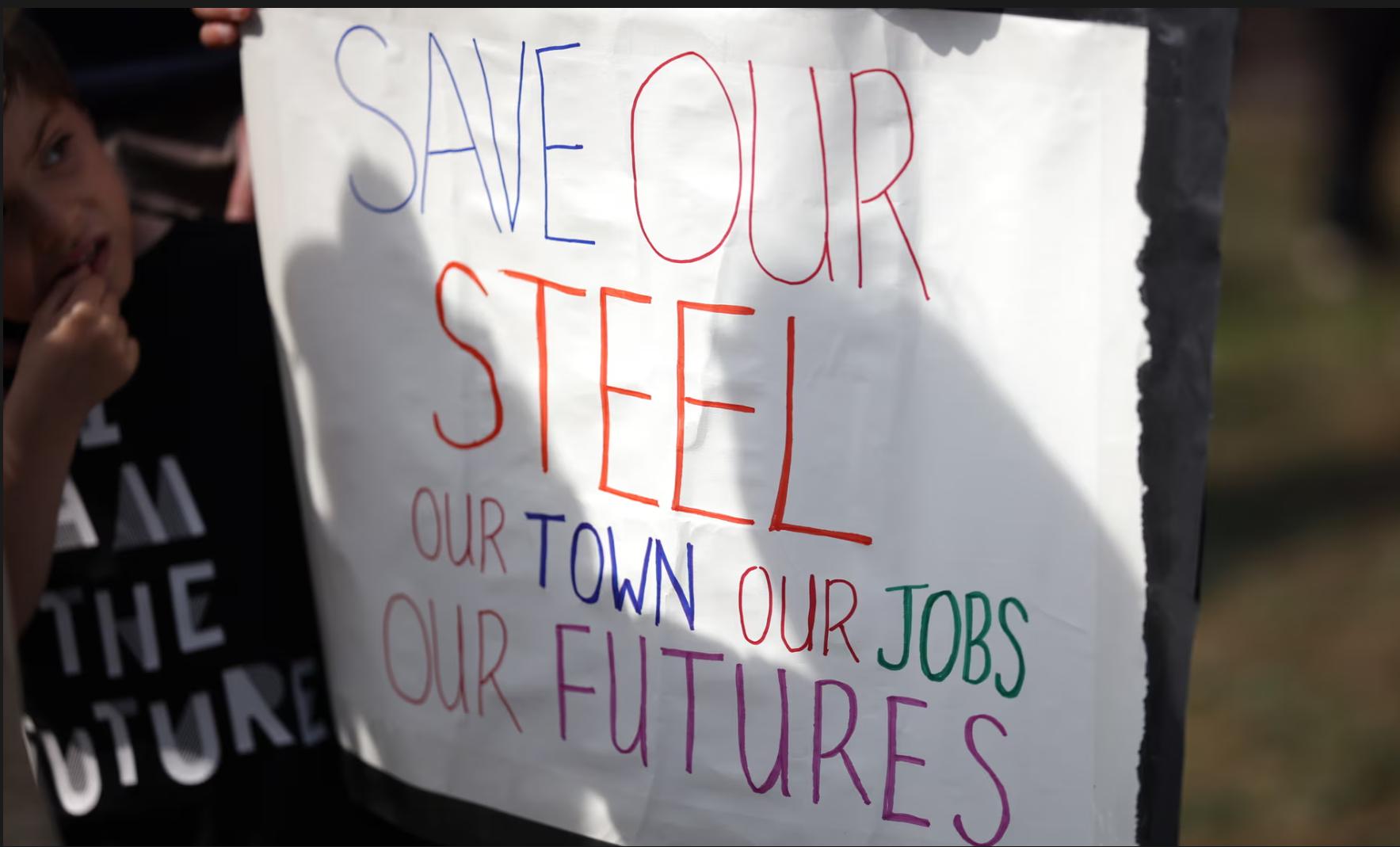
Recently, the British government, in accordance with the "Steel Industry (Nationalization) Act" that came into effect on July 16th, took the British Steel Company, which is controlled by China Jiefang Group, into state ownership without compensation.
Recently, the British government, in accordance with the "S…

On July 23rd local time, the US Trade Representative Office…

The international crude oil market saw a sharp one-sided ri…

Recently, the geopolitical confrontation between the United…

The New York Times has recently clashed with the Trump admi…

Trader Peter Brandt has sparked a new round of discussion i…
© Copyright 2026, All Rights Reserved