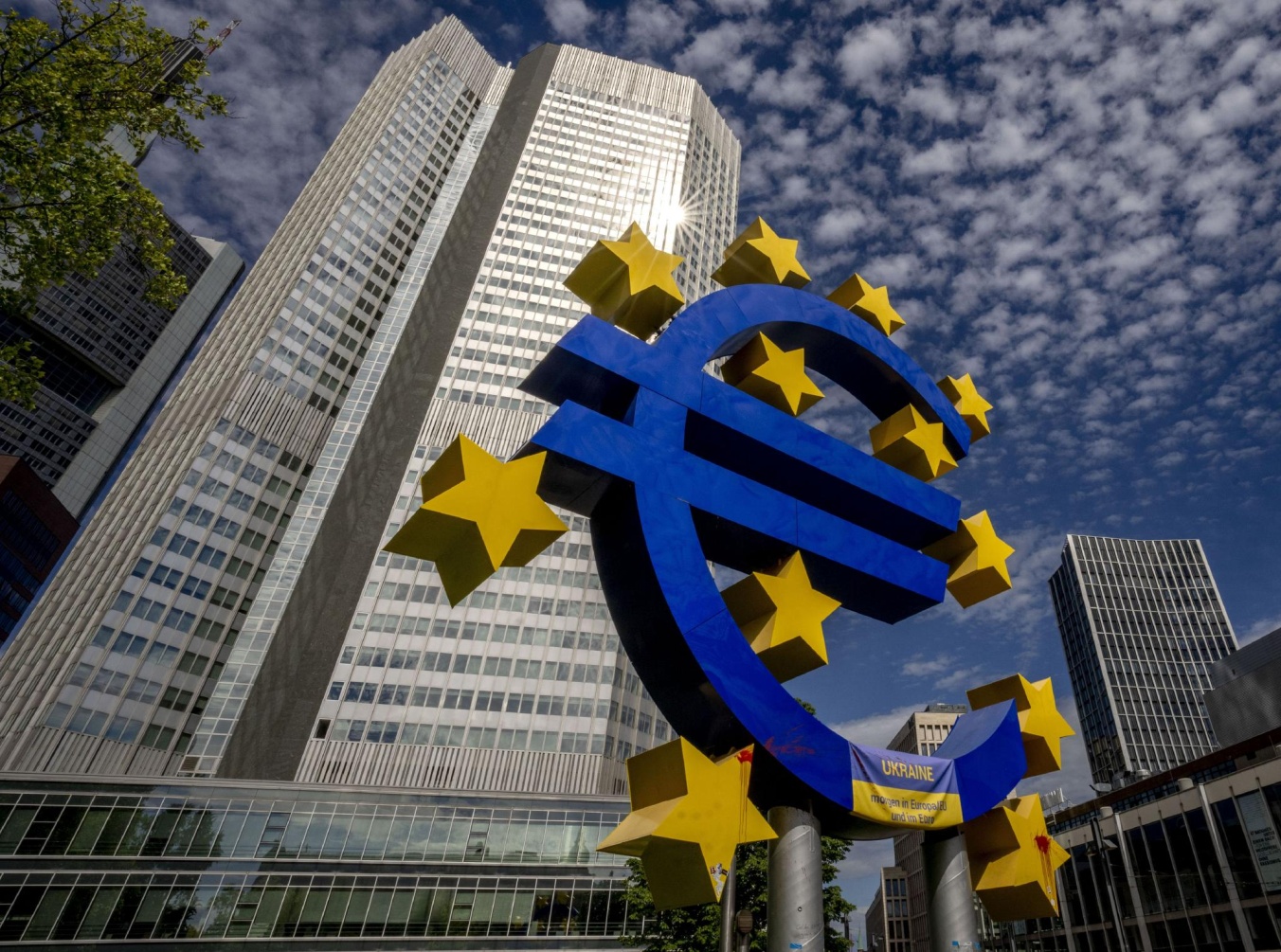
March 2026 marks a critical turning point for the eurozone economy. The European Commission has officially revised down its 2026 GDP growth forecast for the eurozone to 1.2%, a sharp cut of 0.4 percentage points from the previous projection. Meanwhile, inflation expectations have surged to 2.8%, well above the European Central Bank’s (ECB) 2% policy target. Coupled with the precipitous drop in Germany’s industrial sentiment index to -0.5 and the ECB’s pause in interest rate cuts, a stagflation crisis characterized by "slowing growth alongside high inflation" is gradually approaching, leaving the eurozone economy mired in its most complex policy dilemma in a decade.
The downward revision of growth forecasts is no accident; the energy shock triggered by geopolitical conflicts has emerged as the core catalyst. Since the escalation of tensions in the Middle East in early 2026, disrupted shipping through the Strait of Hormuz has sent global energy prices soaring. Brent crude oil prices have risen for six consecutive weeks, briefly breaking through $112 per barrel, a surge of over 40% since the start of the year. For the eurozone, which relies on imports for 60% of its energy needs, the skyrocketing energy costs have triggered a chain reaction: energy-intensive industries such as chemicals and metallurgy have seen a sharp rise in production costs, pushing corporate investment sentiment to rock bottom; household energy expenditures as a share of disposable income have jumped from 8% to 12%, forcing low-income groups to cut non-essential consumption and leading to a sustained contraction in domestic demand. Valdis Dombrovskis, European Commissioner for Economic and Monetary Affairs, emphasized that even a temporary disruption in energy supplies has dealt a substantial blow to economic recovery. If the conflict escalates further, the eurozone’s 2026 growth rate could drop by an additional 0.6 percentage points.
The pressure of resurgent inflation is equally undeniable. The upward revision of inflation expectations to 2.8% is primarily driven by imported shocks from rising energy prices. ECB data shows that energy prices account for 15% of the eurozone’s inflation basket, and every $10 increase in oil prices directly pushes up the inflation rate by 0.5 percentage points. More worrying is the inflation pass-through effect: rising energy prices have begun to spread to sectors such as food and manufactured goods, with food inflation expected to further pick up by the end of 2026. At the same time, the risk of a wage-price spiral is emerging. Affected by previous inflation, wage growth in the eurozone has become increasingly sticky, further amplifying the persistence of inflation. The ECB warned in its latest forecast that if energy prices remain elevated, inflation could surge to 3.1% in the second quarter of 2026, further consolidating the stagflationary pattern.
Germany, the economic engine of the eurozone, its industrial weakness has become a striking manifestation of slowing growth. In March, Germany’s industrial sentiment index plummeted from 58.3 in February to -0.5, hitting its lowest level since February 2025, with the manufacturing sector fully mired in a slump. Data from the ZEW – Leibniz Centre for European Economic Research shows that confidence indices in Germany’s key industries such as chemicals and automobiles have fallen sharply, with order volumes dropping by 3.2% month-on-month, among which rising energy costs are the primary drag. Although the eurozone’s manufacturing PMI expanded to 51.4 in March, this growth is not driven by private consumption but by military production mobilization amid the Middle East conflict, making it difficult to form a sustainable growth driver. The collapse of industrial confidence has not only undermined the foundation of Germany’s economic recovery but also spread to the entire eurozone through industrial chains, exacerbating downward pressure on growth.
Faced with stagflation risks, the ECB is caught in a dilemma between "supporting growth" and "controlling inflation." At its March monetary policy meeting, the ECB decided to keep its key interest rate unchanged at 2.0%, pausing the previously planned interest rate cut cycle and explicitly warning of upside inflation risks from rebounding energy prices. Behind this decision lies a complex policy trade-off: cutting interest rates to stimulate the economy could lead to runaway inflation, further eroding household purchasing power; raising interest rates to curb inflation would increase corporate financing costs and accelerate economic recession. Market expectations indicate that the eurozone’s current policy space is extremely limited. Most member states, having been hit by multiple shocks, lack fiscal expansion capacity and face urgent needs to increase defense spending, making it difficult to effectively offset economic downward pressure through fiscal policy.
Looking ahead, the evolution of stagflation risks in the eurozone will depend on three key variables: the duration of the Middle East conflict, the progress of energy supply recovery, and the effectiveness of policy coordination. In the short term, the G7 has held an emergency meeting to discuss releasing strategic petroleum reserves, and the ECB may also ease corporate financing pressure through targeted liquidity tools, but these measures are unlikely to fundamentally resolve structural contradictions. In the long run, the eurozone needs to accelerate energy transition to reduce external dependence, while strengthening coordination of fiscal and monetary policies among member states to avoid falling into a vicious cycle of "high oil prices → high inflation → high interest rates → economic slowdown."
The spring of 2026 has cast a shadow of stagflation over the eurozone economy. The dual pressures of downwardly revised growth expectations and resurgent inflation, combined with industrial weakness and policy dilemmas, are testing the wisdom and courage of policymakers. For the eurozone, finding a balance between curbing inflation and stabilizing growth will be a crucial proposition that determines the economic trajectory in the coming years.
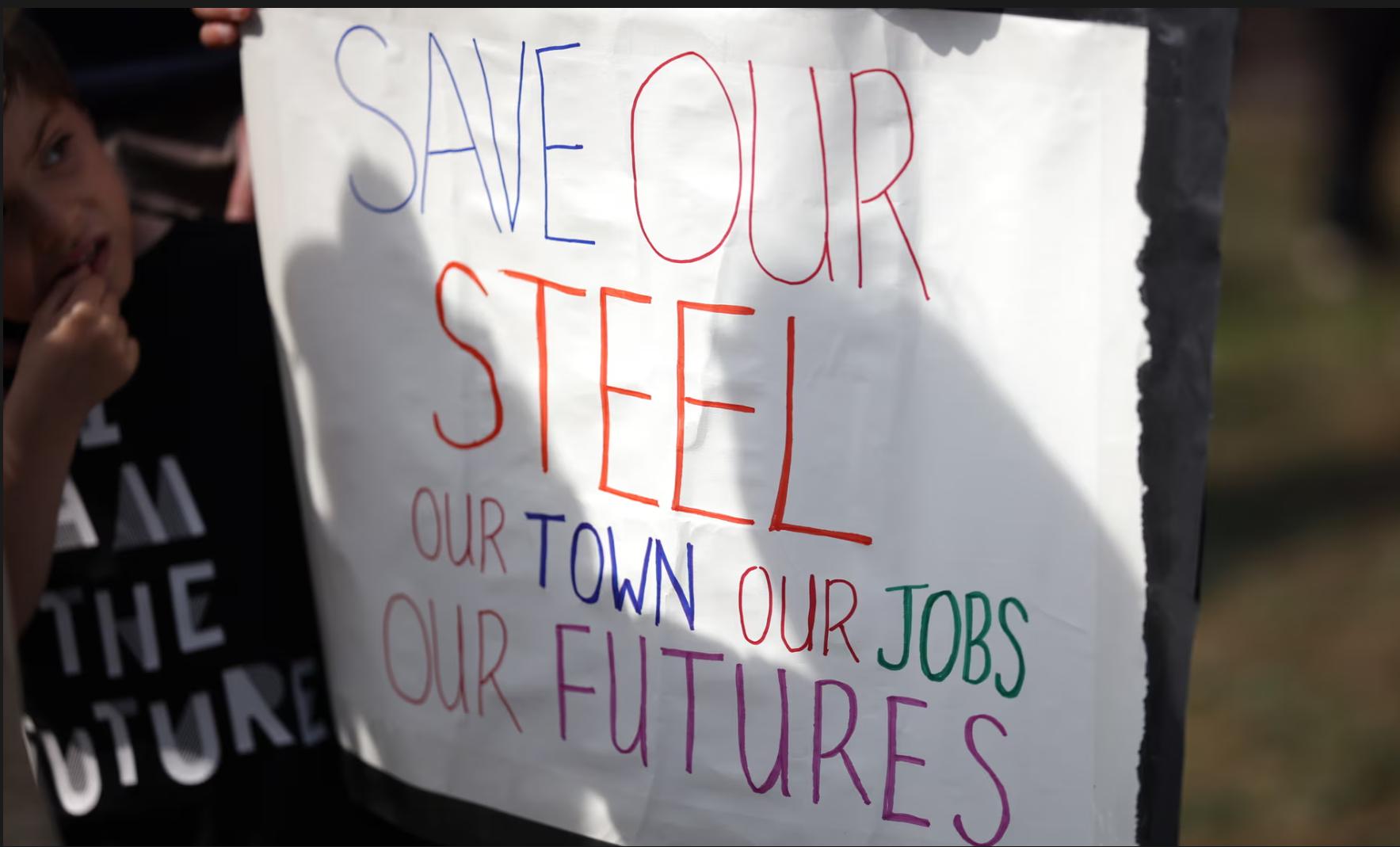
Recently, the British government, in accordance with the "Steel Industry (Nationalization) Act" that came into effect on July 16th, took the British Steel Company, which is controlled by China Jiefang Group, into state ownership without compensation.
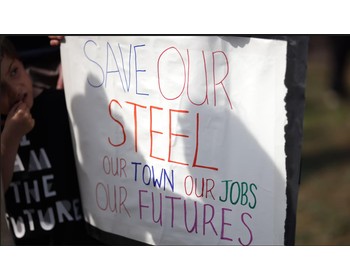
Recently, the British government, in accordance with the "S…
On July 23rd local time, the US Trade Representative Office…
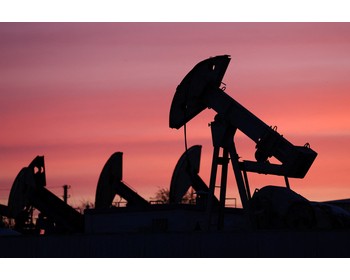
The international crude oil market saw a sharp one-sided ri…
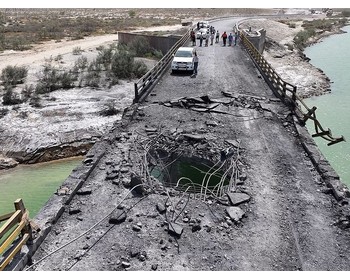
Recently, the geopolitical confrontation between the United…
The New York Times has recently clashed with the Trump admi…

Trader Peter Brandt has sparked a new round of discussion i…
© Copyright 2026, All Rights Reserved