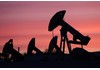
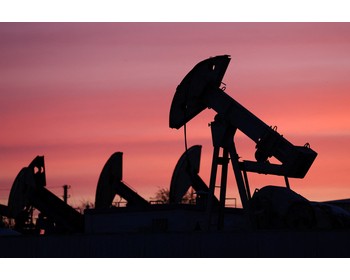
The geopolitical situation in the Middle East has escalated sharply in recent days, becoming a key factor disrupting the global economy. International oil prices have surged dramatically, with WTI crude rising 11.9% in a single day, breaking through $112 per barrel, reaching a new high since 2022. The fierce fluctuations in energy prices have directly pushed up global inflation expectations. Central banks of major economies are increasingly adopting hawkish policies, market risk aversion continues to rise, and the pace of global economic recovery has once again encountered obstacles.
As the fundamental energy source for global industry, the price of crude oil is closely linked to inflation levels. The recent surge in oil prices stems from the continued escalation of geopolitical conflicts in the Middle East, severely impacting the stability of regional energy transportation and supply. Market concerns about energy shortages have quickly intensified. As a vital global energy supply hub, instability in the Middle East directly affects the global energy supply and demand balance. The jump in oil prices is not a short-term speculative behavior but a true market reaction to geopolitical risks. Moreover, oil prices surpassing $112 per barrel not only set a new record in recent years but also indicate that global imported inflationary pressures will rise significantly, and the previously gradually easing inflation situation faces a renewed risk of rebound.
The rebound in inflation expectations has directly disrupted the monetary policy rhythm of major central banks globally. Previously, the market generally expected that central banks in multiple countries would gradually start an interest rate cut cycle to support economic recovery, but the inflation backlash triggered by the surge in oil prices has forced central banks to rapidly shift to a hawkish stance. To prevent inflation from rising further, central banks in various countries have been compelled to delay interest rate cuts, and may even tighten policy expectations. This shift in monetary policy has further intensified uncertainty in the financial markets. For a global economy already struggling with weak growth, the combination of high oil prices and relatively tight monetary policy will undoubtedly increase corporate financing costs, suppress consumption and investment vitality, and the latent risk of economic stagflation is beginning to emerge.
On the market side, risk aversion has become the core logic driving capital flows. Under the dual effects of geopolitical conflicts and economic uncertainty, funds are fleeing from risky assets in favor of safe-haven assets like gold and government bonds. Global stock markets have experienced varying degrees of volatility, and the commodity market has shown differentiated trends. Energy-related sectors have performed strongly, boosted by rising oil prices, whereas industries sensitive to energy costs, such as manufacturing and transportation, are facing operational pressure from rising costs, further accentuating sectoral divergence.
For the global economy, the challenges brought by the current surge in oil prices are multi-dimensional. On one hand, high oil prices will push up global production and transportation costs, delay supply chain recovery, and weigh on the manufacturing rebound. On the other hand, the inflation rebound, coupled with central banks' hawkish policies, may slow global economic growth. Emerging markets may face triple pressure from capital outflows, currency depreciation, and imported inflation.
At present, the trajectory of the Middle East situation remains highly uncertain. If geopolitical conflicts continue to escalate, oil prices may remain elevated, further intensifying the inflation and growth pressures faced by the global economy. Central banks need to precisely balance between stabilizing inflation and supporting growth, while also enhancing international energy cooperation and policy coordination to ease tight energy supply conditions. For the market, geopolitical risks and policy shifts will be key factors affecting the subsequent economic trends, and the global economy will continue to seek a balance point for recovery amidst turbulence.
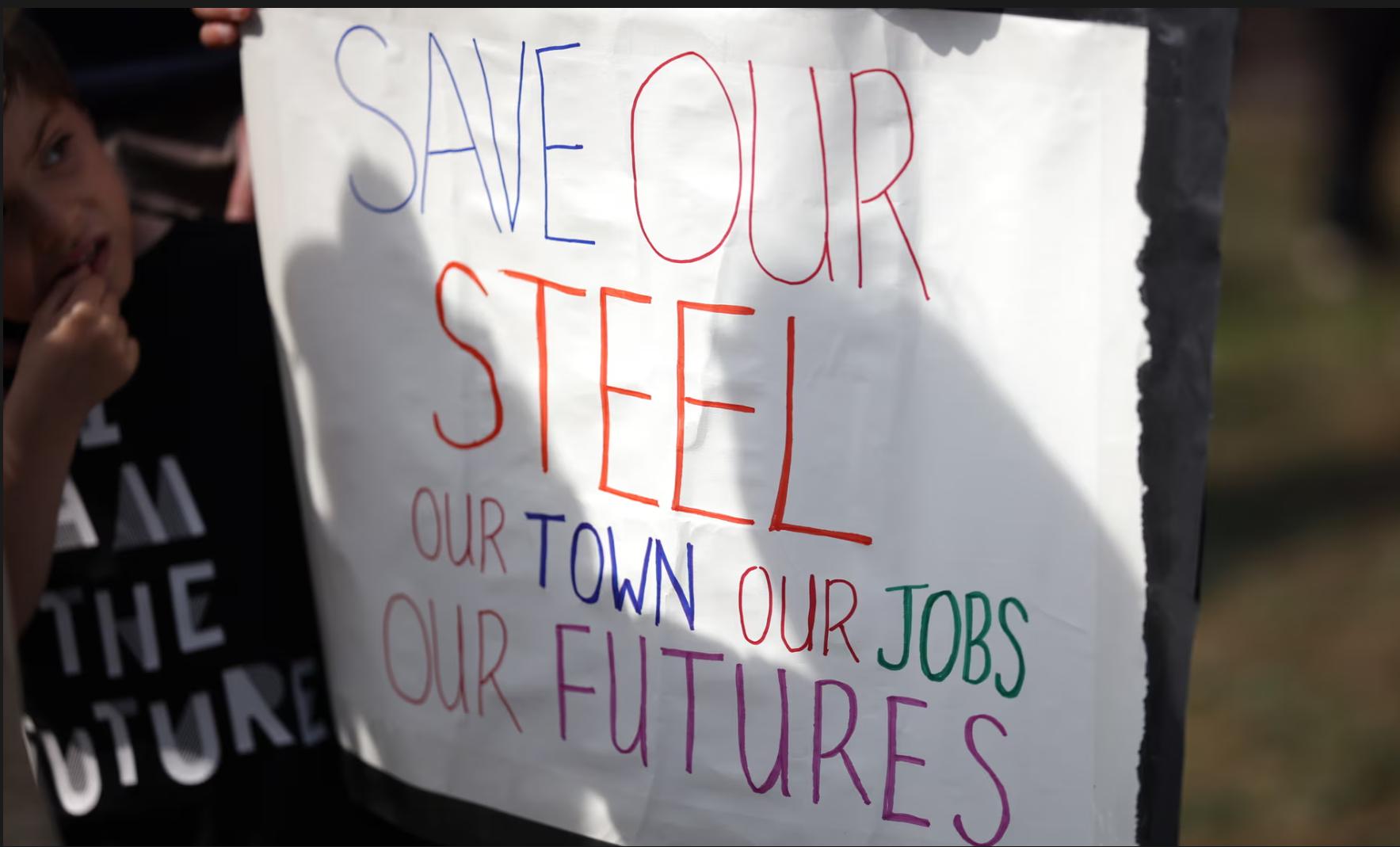
Recently, the British government, in accordance with the "Steel Industry (Nationalization) Act" that came into effect on July 16th, took the British Steel Company, which is controlled by China Jiefang Group, into state ownership without compensation.
Recently, the British government, in accordance with the "S…
On July 23rd local time, the US Trade Representative Office…
The international crude oil market saw a sharp one-sided ri…
Recently, the geopolitical confrontation between the United…
The New York Times has recently clashed with the Trump admi…

Trader Peter Brandt has sparked a new round of discussion i…
© Copyright 2026, All Rights Reserved