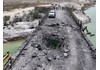
In the bitter winter at the end of 2025, the smoke of the Russia-Ukraine conflict still lingers, with military actions on both sides escalating continuously. Russian airstrikes on Ukraine and Ukrainian drone attacks on Russia occur frequently, making an already complex situation even more unpredictable.
Recently, although the intensity of Russian airstrikes on Ukraine has weakened at certain times, they still maintain a certain level of force. Ukraine's air defense system can shoot down or suppress some Russian drones at night and intercept some missiles, but this cannot completely offset the impact of Russian airstrikes. Russian airstrike targets cover key areas such as Ukraine's military facilities and energy infrastructure. For example, attacks on Ukraine's energy facilities have caused power outages in many areas, restricted industrial production, and severely affected people's daily lives. Since the beginning of winter, rotating power outages and industrial electricity restrictions have become common across Ukraine, with generators roaring day and night and the acrid smoke from burning fuel and wood enveloping the cities. Such attacks on civilian infrastructure undoubtedly exacerbate Ukraine's humanitarian crisis, with large numbers of people struggling in the cold and unable to meet basic living needs.
Ukrainian drone attacks on Russia are becoming increasingly frequent and targeted. The “drone night raid on Putin’s residence” incident caused a huge uproar. Although Ukraine firmly denies it, calling it a Russian fabrication, Russia claims that Ukraine launched the attack using 91 long-range drones. While the air defense forces successfully destroyed them with no casualties or property damage, Russia still characterized the incident as "state terrorism." Russian Foreign Minister Lavrov stated that there will be a response, with counterattack targets and timing already determined, and that Russia will also reassess its negotiating position.
From a military perspective, Ukraine's move demonstrates asymmetric warfare capabilities. Drones are low-cost, highly flexible, and difficult to intercept. By modifying old drone wrecks to assemble attack drones, Ukraine can strike targets inside Russia at low cost, attempting to break the battlefield stalemate, pressure Russia, and showcase its 'counterattack capability' in the international arena. However, this approach carries significant risks, potentially provoking harsher Russian retaliation, escalating the conflict, and causing Ukraine greater losses. It could also lead Russia to adopt a tougher stance in negotiations, reducing the chances of a peaceful resolution.
Russia's airstrikes on Ukraine aim to weaken Ukraine's military capabilities, undermine its war potential, and force it back to the negotiating table. But the airstrikes result in civilian casualties and humanitarian disasters, attracting international attention and criticism, negatively affecting Russia's global image. Meanwhile, Ukraine's drone attacks have made Russia aware of weaknesses in its air defense system, as the 'swarm' approach challenging low-altitude intrusion tests the traditional 'point-to-point' interception model.
In this conflict, both sides are caught in a vicious cycle of 'violence begets violence.' Military escalation has not brought peace but has instead caused more lives to be lost and families to be shattered. The international community calls for dialogue and negotiation, but both sides find it difficult to compromise on core issues such as territory—Russia insists on sovereignty over certain areas, while Ukraine hopes to restore its territorial integrity.
As observers, we deeply feel the preciousness and fragility of peace. In this conflict, there are no true winners, only endless pain and loss. Both parties must recognize that military measures cannot fundamentally resolve the problem. Only through sincere dialogue and negotiation, respecting each other's reasonable concerns, can a sustainable peace solution be found. The international community should also play a more proactive role, encouraging both sides back to the negotiating table, creating favorable conditions for peace, so that the people of Russia and Ukraine can soon be free from the shadow of war and rebuild their beautiful homes.
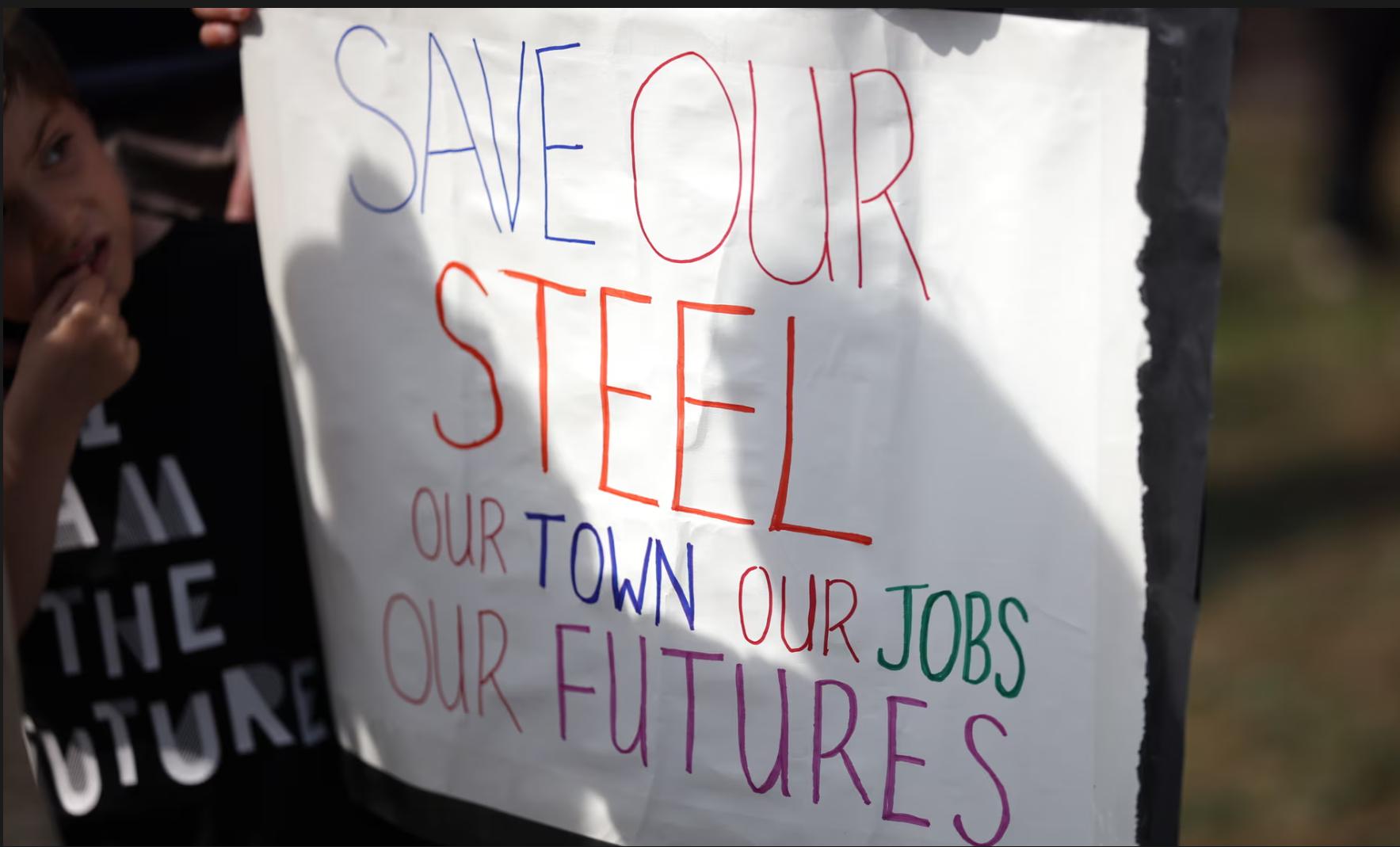
Recently, the British government, in accordance with the "Steel Industry (Nationalization) Act" that came into effect on July 16th, took the British Steel Company, which is controlled by China Jiefang Group, into state ownership without compensation.
Recently, the British government, in accordance with the "S…
On July 23rd local time, the US Trade Representative Office…
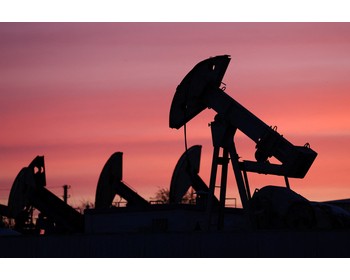
The international crude oil market saw a sharp one-sided ri…

Recently, the geopolitical confrontation between the United…

The New York Times has recently clashed with the Trump admi…

Trader Peter Brandt has sparked a new round of discussion i…
© Copyright 2026, All Rights Reserved