
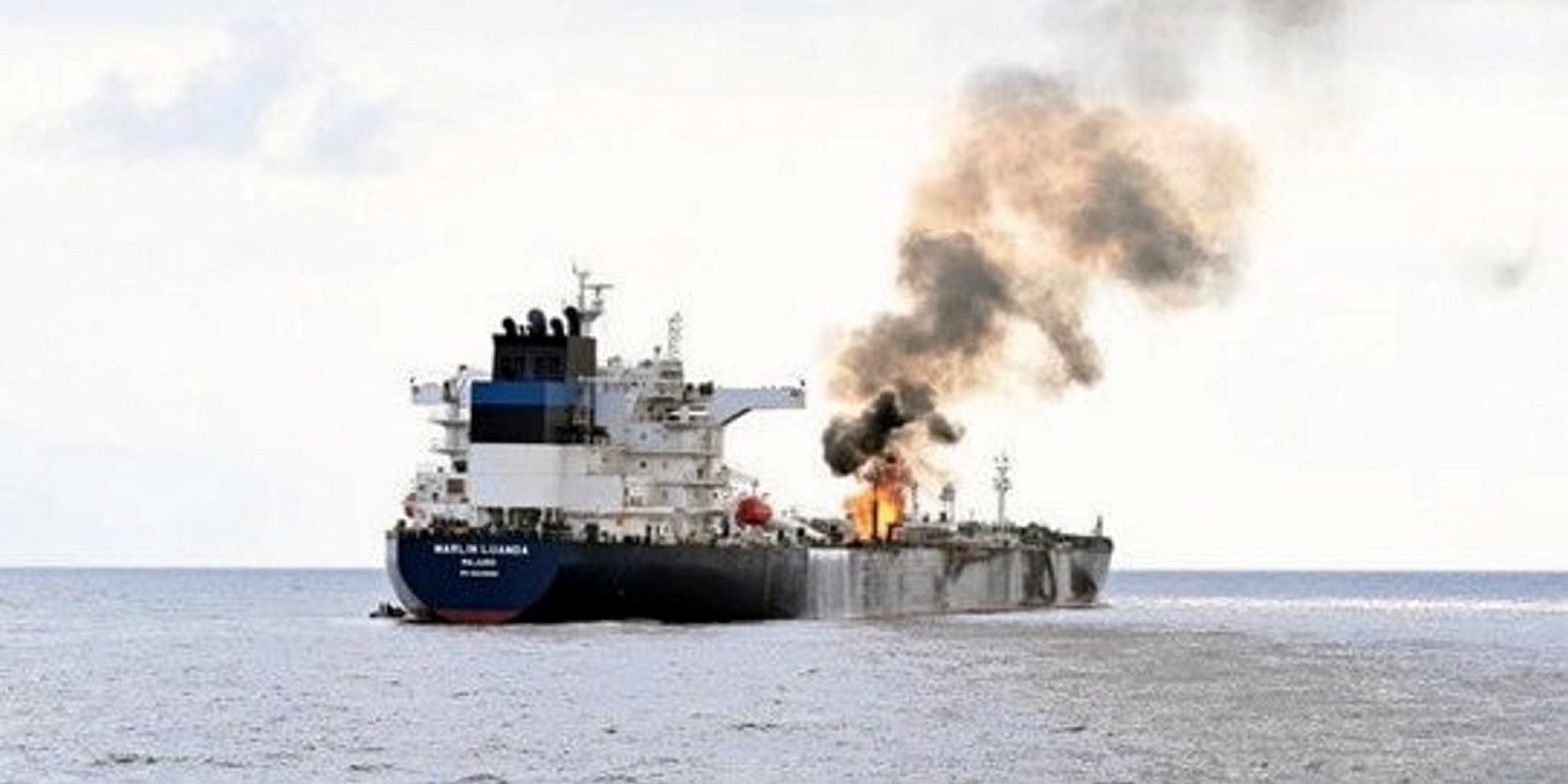
Escalating geopolitical tensions in Iran have disrupted the stability of global energy supply chains. Due to the blockage of vital shipping routes, East Asia, which relies heavily on Middle Eastern raw materials, has fallen into a severe naphtha crisis. The ongoing shock has battered the chemical and high-end manufacturing sectors of Japan and South Korea, accelerated the restructuring of regional energy supply chains, and added significant uncertainties to global inflation and economic recovery.
The Strait of Hormuz handles more than half of the world’s naphtha shipments and serves as the primary import corridor for East Asia’s Middle Eastern energy supplies. Since the outbreak of the conflict, soaring maritime risks have caused a sharp drop in shipping volume. A large number of commercial vessels have rerouted or been stranded, while export facilities across the Middle East have faced mounting operational constraints, nearly severing East Asia’s naphtha supply chain. According to data from the International Energy Agency, regional energy shipments have plummeted, with East Asia’s naphtha imports from the Middle East falling by more than 50% year-on-year, creating a severe spot supply shortage.
East Asia features the world’s highest concentration of naphtha consumption. Japan and South Korea’s petrochemical industries are highly dependent on Middle Eastern imports with fragile risk resilience. South Korea relies on the Middle East for 54% of its naphtha supply, while Japan’s dependence exceeds 40%. Adopting a lean inventory strategy, both countries only maintain industrial stockpiles sufficient for roughly one week of operation, with no large-scale strategic reserves to cushion shocks, leaving them vulnerable to acute raw material shortages once the crisis erupted.
Supply disruptions have caused international naphtha prices to nearly double, forcing widespread production cuts and shutdowns among refineries in Japan and South Korea. Japan’s ethylene plant operating rate has dropped to a year-to-date low of 65%. Raw material shortages have rippled through downstream pillar industries including automotive, electronics, and daily chemicals, triggering continuous production contractions. The spillover effects have extended to daily life; multiple Japanese enterprises have adjusted product packaging due to shortages of printing inks and chemical materials, stirring public market concerns.
South Korea has endured more severe impacts, as its energy imports are overwhelmingly reliant on the Strait of Hormuz. Widespread naphtha shortages have forced major industrial giants such as Samsung and Hyundai to suspend production at their chemical divisions, leading to fluctuating power loads and mounting electricity supply pressure nationwide. The South Korean government has imposed naphtha export restrictions to secure domestic industrial demand, a move that has further aggravated global supply-demand imbalances and created a vicious cycle.
In contrast to Japan and South Korea, China has weathered the crisis relatively well thanks to its diversified import layout and sufficient strategic reserves. Domestic refineries have moderately adjusted processing loads to prioritize supplies for civilian livelihoods and basic chemical materials. Meanwhile, China has expanded energy imports from Russia, Central Asia, and other non-Middle Eastern sources, flexibly optimizing its trade structure to stabilize domestic supply fundamentals.
The crisis has also accelerated the upgrading of China’s petrochemical industry. Domestic enterprises have ramped up research and development on ethane substitution and high-efficiency cracking technologies to reduce reliance on naphtha. At the policy level, authorities continue to optimize cross-border energy transportation layouts, improve the energy security system, and strengthen safeguards for industrial and supply chain stability.
Industry analysts note that naphtha serves as a core industrial raw material for chemical, pharmaceutical, and high-end manufacturing sectors, penetrating the entire upstream and downstream industrial system. The spillover effects of supply shortages continue to spread and amplify. With military confrontation persisting in the Middle East and maritime risks remaining elevated, market risk aversion has intensified, and the naphtha supply chain is unlikely to normalize in the short term.
Industry forecasts suggest that the ongoing crisis will profoundly reshape East Asia’s energy and petrochemical industrial landscape. Japan and South Korea will accelerate the diversification of their import channels, while regional economies will strengthen energy reserves and independent security capabilities. The era of low-cost global petrochemical supply chains is drawing to an end, with inflationary pressures and industrial restructuring set to become long-term themes shaping East Asia’s economic development.

Recently, the British government, in accordance with the "Steel Industry (Nationalization) Act" that came into effect on July 16th, took the British Steel Company, which is controlled by China Jiefang Group, into state ownership without compensation.

Recently, the British government, in accordance with the "S…

On July 23rd local time, the US Trade Representative Office…

The international crude oil market saw a sharp one-sided ri…

Recently, the geopolitical confrontation between the United…

The New York Times has recently clashed with the Trump admi…

Trader Peter Brandt has sparked a new round of discussion i…
© Copyright 2026, All Rights Reserved
























