
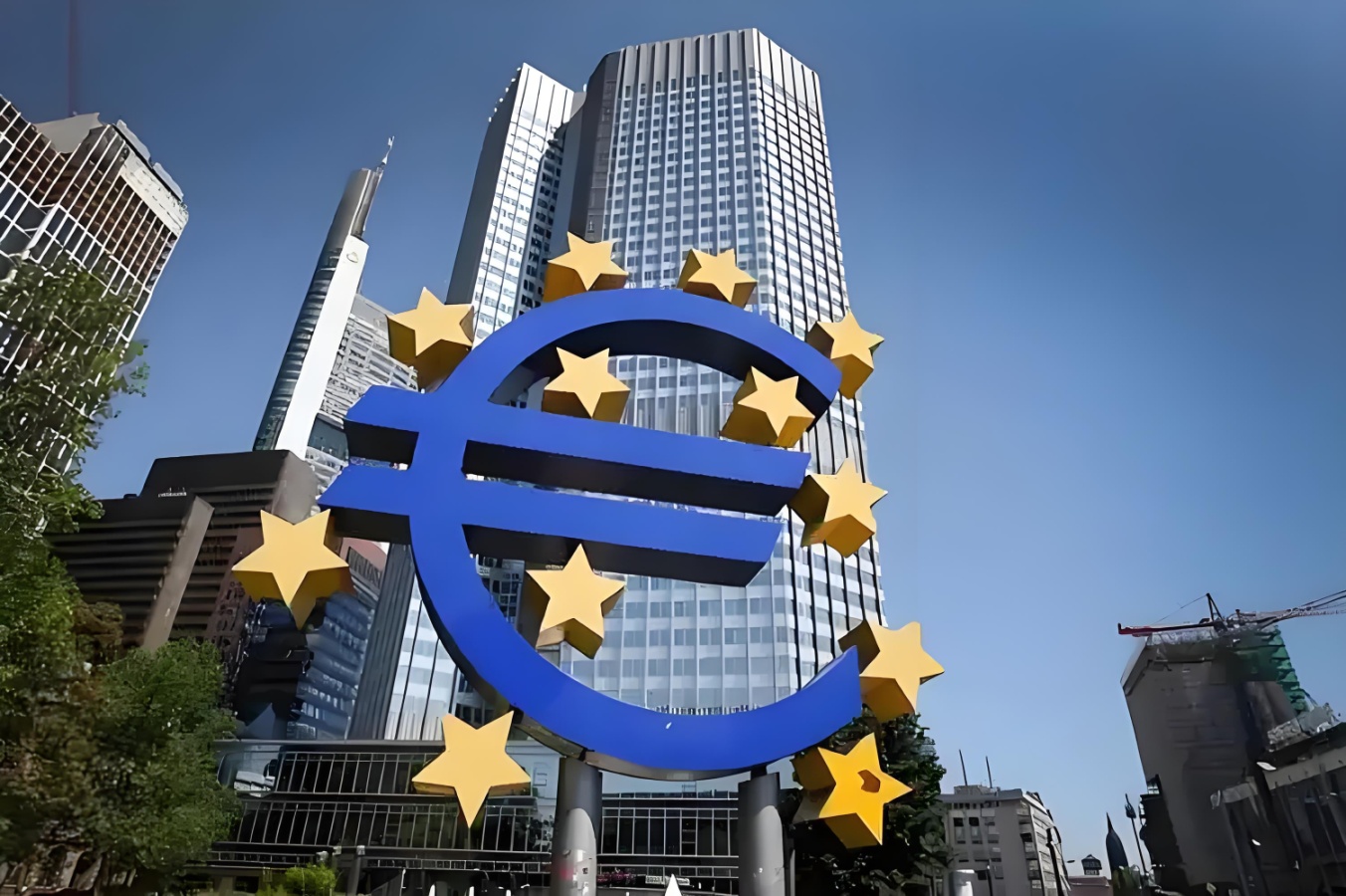
In January 2026, the European economy finds itself at the intersection of extreme weather, geopolitical maneuvering, and policy adjustments. While facing short-term pressures from gas supply scares and stalled trade deals, positive signals such as receding inflation and upgraded growth forecasts have emerged. Europe is charting a precarious path to recovery, caught between resilience and fragility.
Energy security remains the most pressing challenge. Impacted by the coldest January in nearly fifteen years, European natural gas storage levels have dropped to 50.36%—the lowest for this time of year in five years. Countries like Croatia face stockpiles below 30%, approaching critical thresholds. The clear, cold, and windless conditions have not only driven up heating demand but also caused a sharp decline in wind power output, passively increasing Europe's reliance on natural gas. Although LNG imports are projected to surge by 24% year-on-year to 10 million tons in January, the 57% utilization rate of receiving terminals struggles to keep pace with consumption. A single-day 15% spike in the Dutch TTF gas price underscores market panic over supply gaps. Compounded by the ongoing Russia-Ukraine conflict—where Russian strikes on Ukrainian energy infrastructure exacerbate supply fears—the European energy system is undergoing its most severe stress test in a decade. High industrial production costs and household energy bills persist, keeping alive the risk of an exodus for energy-intensive industries.
Monetary policy "resolve" provides crucial support. Minutes from the January ECB meeting indicate policymakers held rates steady at 2%, resisting the urge for immediate easing or hasty hikes. This decision reflects a delicate balance between inflation and growth: the Eurozone inflation rate stabilized at the target of 2.0% in December. While core inflation remains sticky, forward-looking indicators suggest wage growth will gradually slow. Against this backdrop, the ECB upgraded its 2026 economic growth forecast to 1.2%, emphasizing that domestic demand and a robust labor market will be the core drivers of recovery. This policy stance of "mastering the situation by remaining calm" avoids the inflation rebound risks of premature easing while offering stable expectations for corporate investment.
Trade wars add variables to the recovery. Threatened by U.S. tariffs, the European Parliament suspended the ratification of the EU-U.S. Trade Agreement on January 21, halting a deal reached in July 2025. Although Trump subsequently revoked the tariff threat—triggering the largest rally in the Euro Stoxx 600 since November—the deep transatlantic trade rifts remain. For Europe, the shelving of the agreement not only impacts industrial and agricultural exports but also disrupts the supply chain restructuring rhythm following "de-Russification." Europe needs U.S. LNG to fill the energy gap yet fears that deepened trade dependency could increase economic vulnerability. Notably, the IMF upgraded its 2026 Eurozone growth forecast to 1.3%. Countries like Spain and Ireland are shining, driven by tech investment and domestic demand, highlighting a widening divergence between core and peripheral economies.
In the short term, Europe must cross three hurdles: ensuring energy supply for the remainder of the winter, navigating trade deal uncertainties, and sustaining corporate earnings recovery—with earnings reports from companies like Sodexo showing that exchange rate volatility and market competition continue to squeeze profit margins. However, in the long run, accelerated energy transition and mature policy coordination are fostering new growth drivers. Renewable energy accounted for 42% of Europe's electricity consumption in 2025, with investments in hydrogen and energy storage doubling. Coupled with the synergistic efforts of monetary and fiscal policies, the European economy is expected to solidify its recovery foundation amidst short-term fluctuations.
The current European economy is like a train traveling through a harsh winter: it must navigate obstacles on the track while maintaining the resolve to move forward. The forced push of the energy crisis, the tempering of trade games, and the refinement of policy control may collectively drive Europe's economy toward a more resilient and sustainable transformation.

Recently, the British government, in accordance with the "Steel Industry (Nationalization) Act" that came into effect on July 16th, took the British Steel Company, which is controlled by China Jiefang Group, into state ownership without compensation.

Recently, the British government, in accordance with the "S…

On July 23rd local time, the US Trade Representative Office…

The international crude oil market saw a sharp one-sided ri…

Recently, the geopolitical confrontation between the United…

The New York Times has recently clashed with the Trump admi…

Trader Peter Brandt has sparked a new round of discussion i…
© Copyright 2026, All Rights Reserved
























