
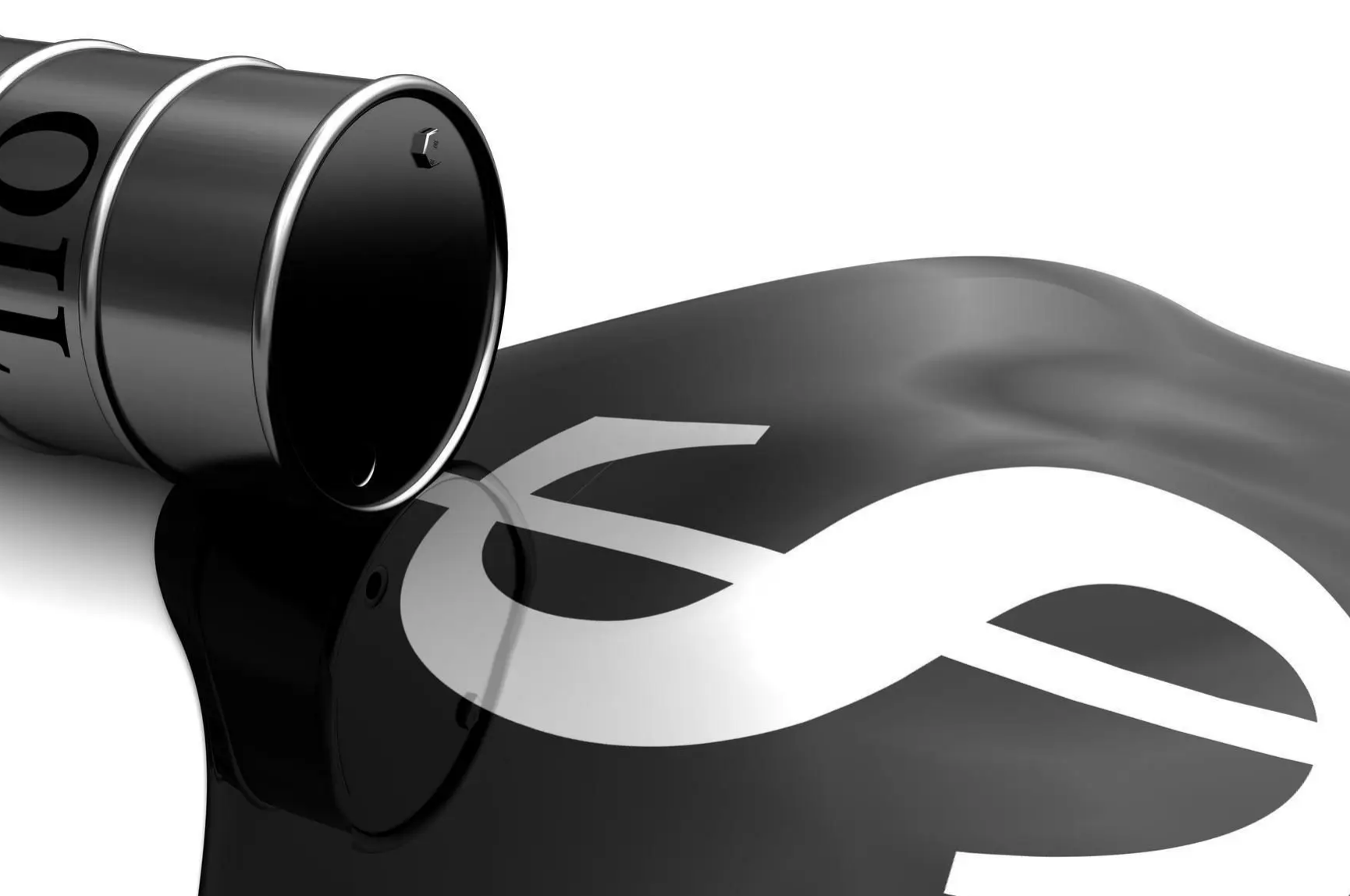
On March 26th, local time, the Japanese government began to release its national oil reserves again after four years, with a total of approximately 80 million barrels, equivalent to 45 days of domestic consumption. This attempt aims to supplement and stabilize market fluctuations with short-term supply, ensuring a stable supply of domestic petroleum products during the blockade of the Strait of Hormuz. The overall scale will reach the highest level in Japan's history. The last time Japan took such action was during the outbreak of the Russia-Ukraine conflict in 2022. However, this seemingly "emergency" measure actually comes at the expense of long-term economic security, planting hidden dangers in multiple areas such as energy security, fiscal burden, and industrial development. Its negative impacts will gradually emerge, far exceeding the short-term stabilizing effect.
The significant weakening of energy security buffers and the continuous decline in economic resilience to risks are the most direct negative impacts of this release. As a country that relies on imports for 95% of its oil, Japan's total oil reserves of 254 days were originally its "safety moat" against energy supply disruptions, including 146 days of national reserves and 101 days of private reserves. After this release, the total reserves have dropped to 209 days, with national reserves shrinking to 116 days, significantly reducing emergency buffering capacity. What is even more alarming is that over 70% of Japan's crude oil imports pass through the Strait of Hormuz, a "lifeline at sea". If this "lifeline" is blocked due to escalating tensions, Japan, with its depleted buffer reserves, will face the fatal risks of energy shortages and production halts. At that time, the chain reaction of factory shutdowns and logistics paralysis will have an irreversible impact on the economy. This kind of self-rescue by "hollowing out the family's resources" is essentially shifting short-term risks to long-term vulnerabilities.
The fiscal burden has further intensified, squeezing the budget for people's livelihood and development, and becoming an important shackle restricting economic recovery. The release of reserves is not an isolated action. The Japanese government simultaneously launched fuel subsidies, controlling the average retail price of gasoline at 170 yen per liter, with a subsidy of 30.2 yen per liter. The original subsidy fund could only sustain for one month, so the government urgently used 800 billion yen of reserve funds to supplement the funds. Japan is already facing a high debt dilemma with a debt ratio of 263% of GDP. The huge subsidies and related expenditures for releasing reserves further exacerbate the pressure on the fiscal deficit. This additional expenditure will not only squeeze the budget in areas such as social security, infrastructure, and industrial support, but may also trigger market concerns about Japan's fiscal health, strengthen the expectation of yen depreciation, and form a vicious cycle of "increased fiscal expenditure → yen depreciation → rising import costs", dragging down the quality of economic recovery.
The confusion in market signals and misleading corporate decisions trigger subsequent economic fluctuations. The record-breaking release of reserves signals Japan's extreme anxiety about energy risks to the market, which is likely to reinforce investors' negative expectations of yen depreciation, rising inflation, and economic instability, exacerbating capital outflows and further pushing up import costs. At the same time, artificially low oil prices in the short term create an illusion of "cost stability" for enterprises, misleading them to expand production and increase inventories. Once the release of reserves ends and oil prices rebound, enterprises will face a sudden cost shock, leading to shrinking profits, investment mistakes, and even layoffs and production cuts, triggering fluctuations in the upstream and downstream of the industrial chain, which is not conducive to the stable operation of the economy.
Masking the shortcomings of the energy structure, delaying the transformation process, and damaging economic competitiveness in the long run. This release of reserves is only a short-term supply adjustment and cannot solve the fundamental problem of Japan's fragile energy structure. The short-term stability of oil prices brought about by the release of reserves can easily make the government and enterprises relax their vigilance, weaken the motivation for diversifying energy imports, promoting energy-saving technologies, and deploying renewable energy, further solidifying the dependence on fossil fuels. This avoidance of structural issues will lead Japan to gradually fall behind in the global wave of energy transformation, weaken its sustainable economic development capacity in the long run, and may continue to receive the international "fossil award" due to passive emission reduction, damaging its international image and cooperation opportunities.
In summary, Japan's record-breaking release of oil reserves is a risky operation aimed at "trading the long term for the short term". Only by facing up to the shortcomings of the energy structure and accelerating energy transformation and diversified import layout can we truly resolve energy risks and achieve stable and sustainable economic development. Otherwise, short-term respite will only make future economic difficulties more severe.

Recently, the British government, in accordance with the "Steel Industry (Nationalization) Act" that came into effect on July 16th, took the British Steel Company, which is controlled by China Jiefang Group, into state ownership without compensation.
Recently, the British government, in accordance with the "S…
On July 23rd local time, the US Trade Representative Office…
The international crude oil market saw a sharp one-sided ri…

Recently, the geopolitical confrontation between the United…

The New York Times has recently clashed with the Trump admi…

Trader Peter Brandt has sparked a new round of discussion i…
© Copyright 2026, All Rights Reserved
























