
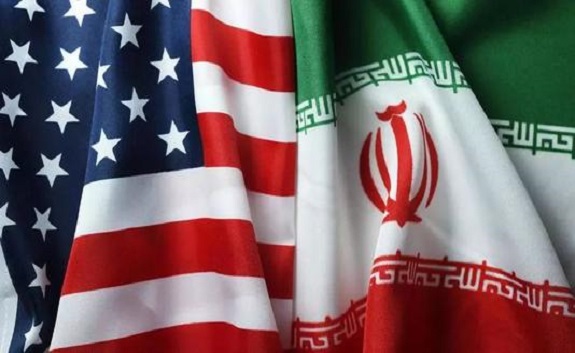
On June 18, with Pakistan acting as a mediator, the US and Iran officially reached the Islamabad Memorandum of Understanding through electronic signing. The agreement takes effect immediately, with a formal signing ceremony scheduled in Switzerland on June 19. This framework document, which includes 14 clauses, not only ends the ongoing military standoff between the two sides but also reopens the Strait of Hormuz, crucial for global energy security, making it one of the most significant turning points in Middle East geopolitics in recent years.
According to the contents of the memorandum, the consensus is divided into immediate implementation and subsequent negotiations. The most significant of the immediate provisions is the comprehensive ceasefire and the Strait Navigation Arrangement: the U.S., Iran, and their respective allies will immediately and permanently cease military operations on all fronts, including Lebanon, and promise not to wage war or threaten the use of force against each other; The U.S. immediately lifted the maritime blockade on Iran, fully restoring shipping to pre-war levels within 30 days, while Iran simultaneously carried out mine clearance operations to ensure commercial ships could pass safely and free of charge through the Strait of Hormuz for 60 days. On the economic front, the U.S. immediately granted Iranian crude oil export exemptions and simultaneously initiated procedures to unfreeze Iran's frozen overseas assets.
The final agreement to be finalized within the 60-day negotiation period will determine the long-term direction of bilateral relations: the U.S. pledges to collaborate with regional partners to invest at least $300 billion in Iran's reconstruction and economic development, ultimately ending all unilateral and multilateral sanctions against Iran; Iran reiterated its non-development and non-acquisition of nuclear weapons, agreeing to conduct on-site dilution of enriched uranium under the supervision of the International Atomic Energy Agency. The two sides have also established a dynamic adjustment mechanism—if Iran shows more goodwill, the U.S. will respond by increasing sanctions reductions, creating a two-way incentive for compliance.
The most direct impact of the agreement's implementation is reflected in the global energy market. As a vital gateway responsible for one-third of global crude oil shipping, the risk of disruptions in the Strait of Hormuz once injected a high geopolitical risk premium into international oil prices. With the certainty of the reopening of navigation and the gradual return of Iranian crude oil production capacity to the market, international oil prices have dropped sharply, Brent crude oil has dropped significantly from previous highs, and WTI crude recorded its largest single-day drop in nearly three months. The rapid decline in oil prices has directly eased global imported inflationary pressures, especially for economies highly dependent on energy imports such as Europe and Japan, providing substantial benefits and providing more buffer space for central banks to adjust monetary policy.
Despite significant milestones, this memorandum of understanding is not a final peace treaty, and subsequent implementation still faces multiple challenges. On one hand, during the 60-day negotiation window, there were still disagreements on core issues such as nuclear issues, the timing of sanctions lifting, and the way reconstruction funds would be allocated. Iran had previously made it clear that its nuclear achievements would not be exported abroad, and the contest over core interests between the two sides is far from over. On the other hand, the attitude of a third party in the region poses a potential variable. Israel holds a reserved stance on the agreement, and the coordination of the southern Lebanese armed forces remains to be seen, with the risk of repeated local conflicts not yet completely eliminated.
The signing of the Islamabad Memorandum of Understanding has put the pause button on the ongoing tensions in the Middle East and injected stable expectations into the global economy. It is both the result of pragmatic compromise between the two sides and an attempt to restructure regional security mechanisms under a multipolar framework. The negotiation process over the next 60 days will truly test whether this agreement can move from a "ceasefire framework" to a "lasting peace," and its direction will continue to influence the deep global energy, financial, and geopolitical landscape.

Recently, the British government, in accordance with the "Steel Industry (Nationalization) Act" that came into effect on July 16th, took the British Steel Company, which is controlled by China Jiefang Group, into state ownership without compensation.

Recently, the British government, in accordance with the "S…

On July 23rd local time, the US Trade Representative Office…

The international crude oil market saw a sharp one-sided ri…

Recently, the geopolitical confrontation between the United…

The New York Times has recently clashed with the Trump admi…

Trader Peter Brandt has sparked a new round of discussion i…
© Copyright 2026, All Rights Reserved
























