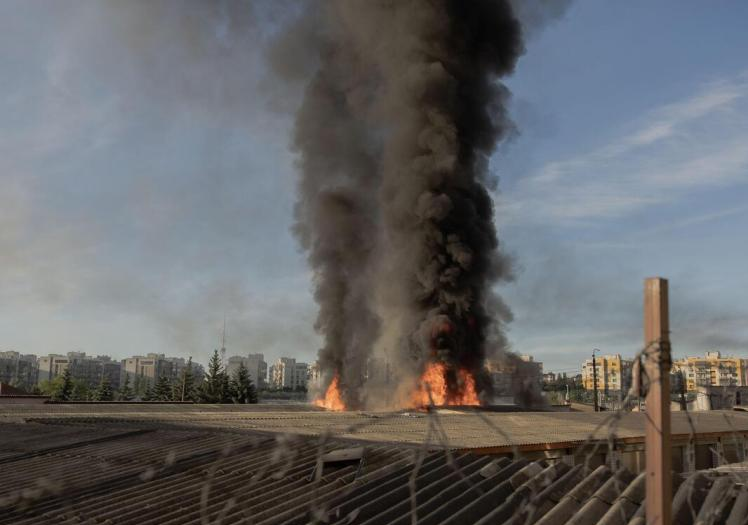
In early March 2026, the geopolitical conflicts in the Middle East escalated sharply. Iran blocked the Strait of Hormuz, blocking the global energy artery, and panic quickly spread to the capital markets, causing severe fluctuations in global stock markets. This military confrontation that originated in the region has evolved into a systemic risk event that affects the global economic nerve. It not only reshapes the short-term asset pricing logic but also poses long-term challenges to inflation expectations, monetary policies, industrial chain stability, and global capital flows.
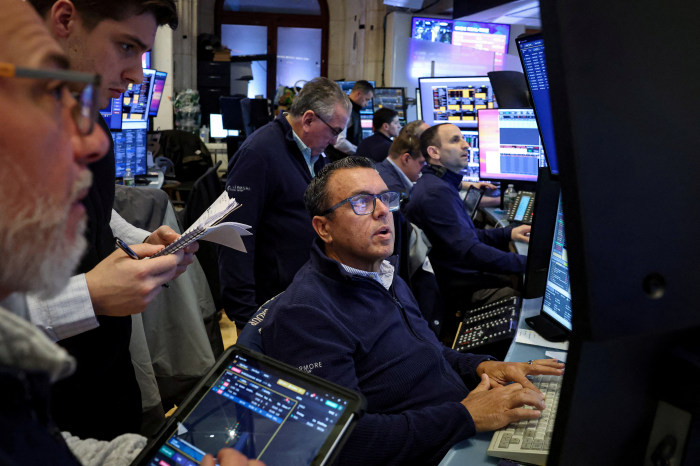
The conflict became the last straw that broke the market's risk appetite. The Korean Composite Index plunged by 20% in two days, triggering the circuit breaker mechanism multiple times; the Nikkei 225 Index dropped by more than 3% continuously; major European stock indices also fell simultaneously; the Asia-Pacific and emerging markets generally declined, with large-scale capital withdrawing from risky assets. At the same time, international oil prices soared by more than 13% in a single day, Brent crude oil exceeded $82 per barrel, and European natural gas prices soared by 40% in a single day. Gold, the US dollar, and other safe-haven assets were in demand. The essence of the global stock market's fluctuations is the result of the resonance of three pressures: geopolitical risks, energy inflation, and liquidity tightening.
The soaring energy prices are the first transmission chain that impacts the market. The Strait of Hormuz handles approximately one-third of global maritime oil trade and nearly 20% of liquefied natural gas transportation. The blockade directly led to the disruption of supply expectations. As energy is the foundation of all prices, the price increase quickly permeated the industrial chain, raising the costs of industries such as chemicals, manufacturing, shipping, and aviation, and compressing corporate profit margins. International institutions estimated that if oil prices remained high until mid-year, global GDP growth might be reduced by 0.6 percentage points, and the inflation rate might rise by more than 1 percentage point. The already eased global inflation has risen again, breaking the market's optimistic expectations for central bank rate cuts. The timing of the Fed's rate cut was forced to be postponed, and the expectation of global liquidity tightening rose. High-valued technology and growth stocks were the first to be sold off.
The regional divergence in the stock market highlights the fragility of the economic structure. Japan and South Korea had the largest declines. The main reason was their high dependence on Middle East energy imports. Japan had approximately 95% and South Korea had approximately 70% of its crude oil from the Middle East. The increase in energy costs directly impacted the competitiveness of the manufacturing industry. The European and US stock markets were relatively less affected, thanks to the return of funds to safe havens and the hedging of energy and military sectors, presenting a "fall in Asia-Pacific, stability in Europe" pattern. The A-share market was also under pressure, but the oil, gold, shipping, and military sectors performed counter-cyclically, and the market showed a structural divergence. This divergence reveals that energy net-importing countries and export-oriented manufacturing economies are more significantly affected by the conflict, while resource-exporting countries and defensive sectors have relative resilience.
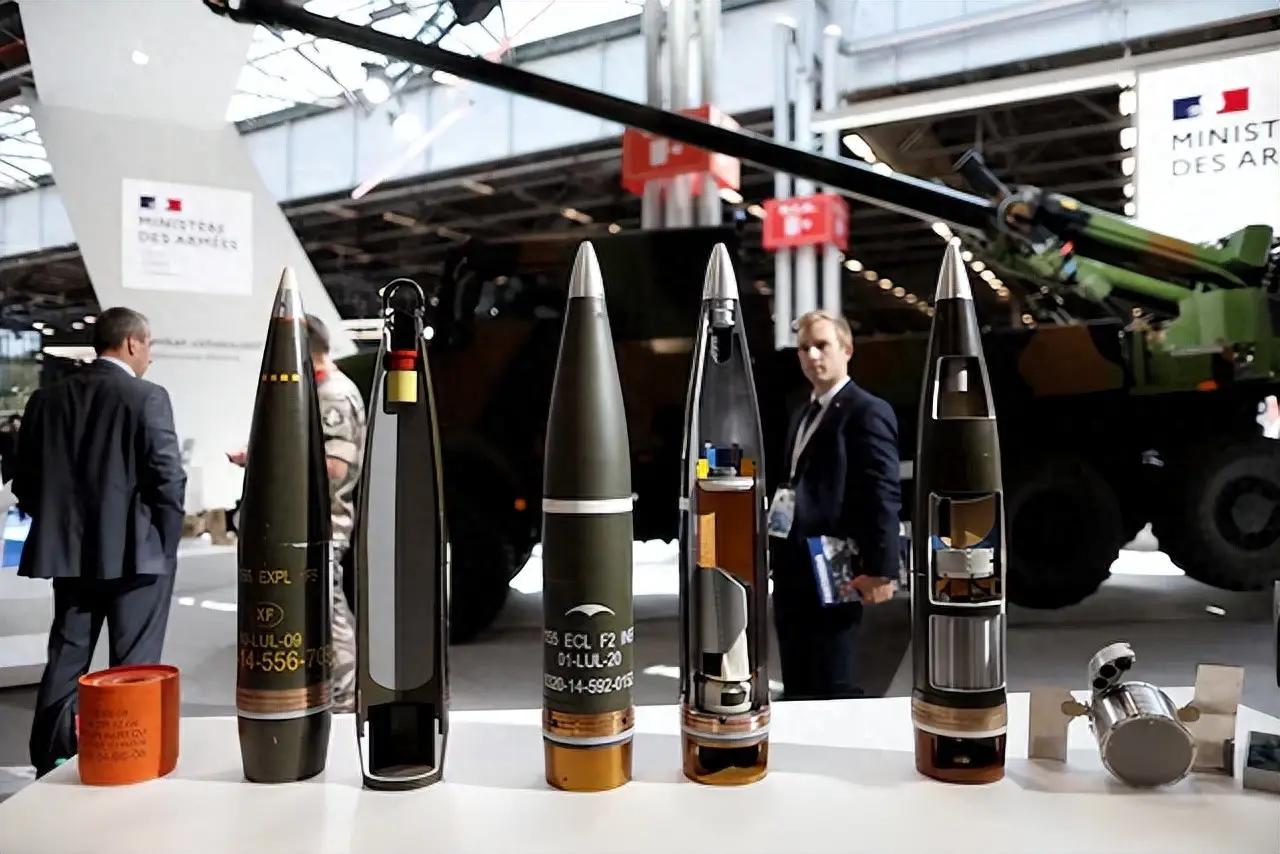
In the long term, the second and third-order consequences brought by the conflict continue to intensify. First, the global supply chain is restructured, with the Middle East shipping routes forced to detour around the Cape of Good Hope, with the voyage length extended by 15 to 20 days and logistics costs rising by more than 30%. Second, the increase in military expenditure intensifies fiscal pressure. The United States and other countries have used expensive interceptor missiles to counter cheap drones, and military stockpiles are rapidly depleted, with a long reconstruction period, weakening the strategic deterrence of major powers. Third, the risk of global stagflation has risen, with high inflation and low growth coexisting, and central banks are caught in a dilemma between promoting growth and combating inflation. Currently, the market has shifted from being impacted by emotional shocks to being priced based on fundamentals. Short-term fluctuations are dominated by risk-averse sentiment, and the medium-term trend depends on the duration of the conflict, the recovery of the strait's navigation, and the increase in OPEC+ production. If the conflict is resolved in the short term, oil prices will fall, and the stock market is expected to recover; if it escalates and spreads in the long term, the global economy will face greater downward pressure.
For the global market, this shock is a profound warning: Geopolitics has changed from an edge variable to a core pricing factor. In the context of multi-polar competition and the reconfiguration of the industrial chain, energy security, supply chain resilience, and monetary policy independence have become the bottom lines that all countries must prioritize. Investors should reduce exposure to risky assets and increase allocation to defensive sectors and safe-haven assets. Policy makers need to accelerate the diversification of energy resources, enhance strategic reserves, strengthen international coordination, and prevent local conflicts from escalating into global economic crises.
The war in the Middle East continues, and market fluctuations persist. This crisis not only tests the resilience of the global economy but will also accelerate the profound adjustment of the international economic order and capital landscape.
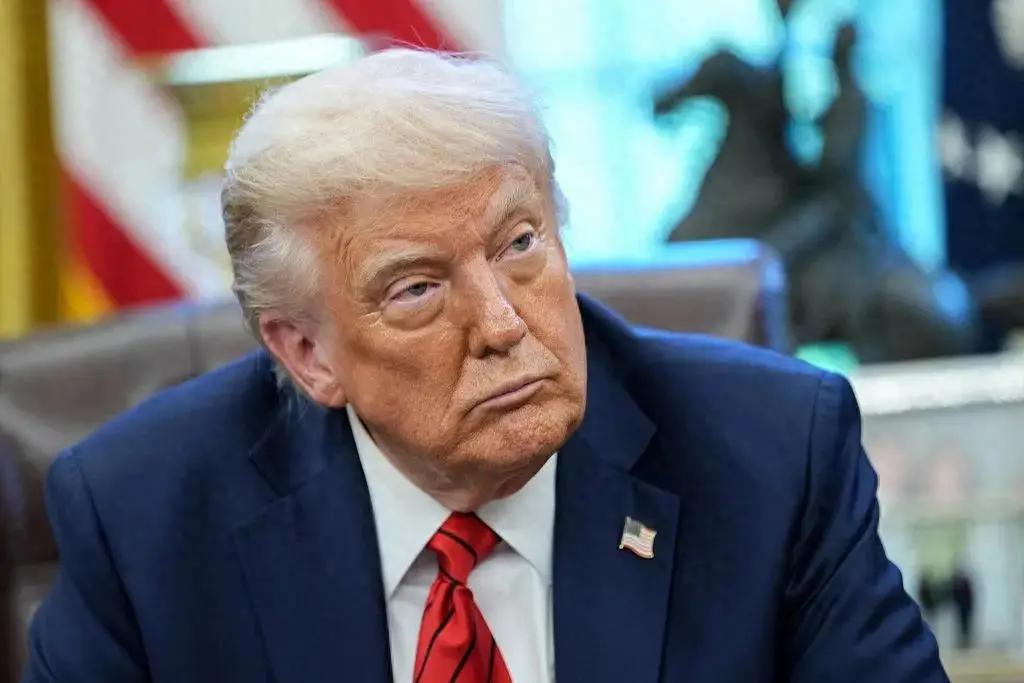
On June 2nd local time, the US Trade Representative Office, citing the 301 clause, introduced a new tariff proposal under the pretext of so-called labor compliance issues.
On June 2nd local time, the US Trade Representative Office,…
AP, Washington — The U.S. government has rolled out a new r…

According to a report by Reuters on June 2nd, the US Depart…
According to recent reports by US media, US President Trump…
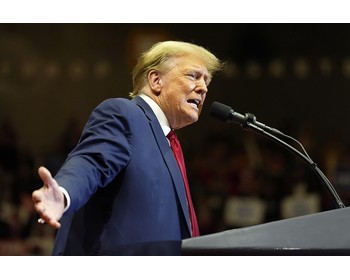
Donald Trump is embroiled in the biggest corruption controv…
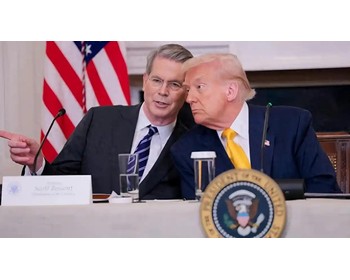
Recently, Trump has launched two core economic and trade me…
© Copyright 2026, All Rights Reserved