
"On the early morning of January3,2026, the United States launched a large-scale military operation against Venezuela, forcibly taking control of President Maduro and his wife and bringing them to the United States. This event, like a seismic bomb, sent shockwaves through the international financial sector. The hidden financial ambitions and destructive implications behind it warrant in-depth global analysis.
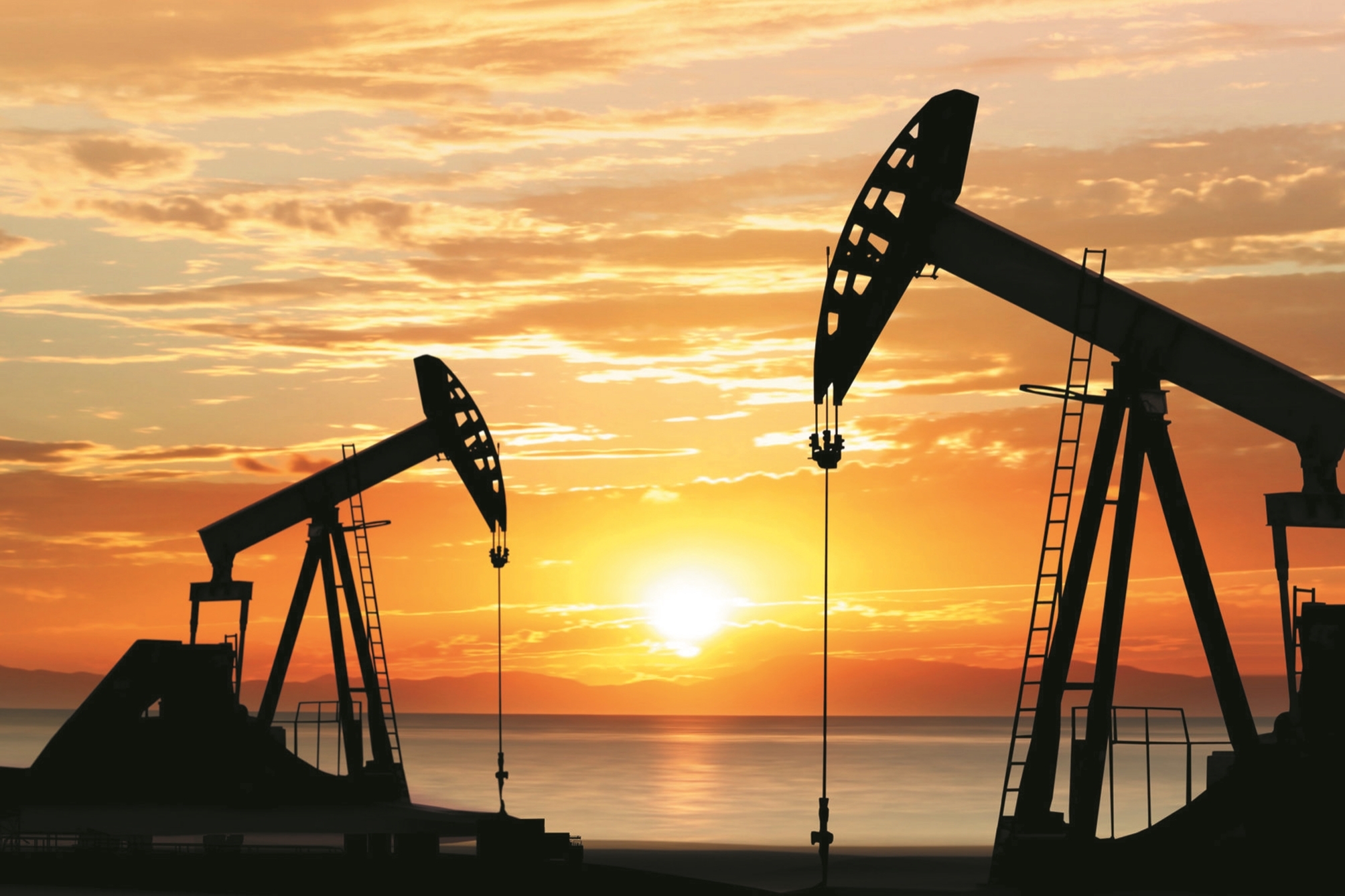
The core objective of the U.S. military intervention in Venezuela is the country’s abundant oil resources. Venezuela possesses the world’s largest proven oil reserves, totaling303 billion barrels, accounting for approximately17% of the global total. U.S. Vice President Vance publicly acknowledged that oil was a significant factor in the American decision. From a financial perspective, oil, as the world’s most critical strategic resource, directly influences the stability and trajectory of global financial markets through its pricing power and supply dynamics. By gaining control over Venezuela’s oil, the U.S. could further consolidate the hegemony of the "petrodollar." For a long time, the U.S. dollar has been closely tied to oil, with most global oil transactions settled in dollars, allowing the U.S. to manipulate the global monetary system by influencing oil markets. If the U.S. fully controls Venezuela’s oil, it would have the ability to sway oil prices, thereby impacting global inflation levels and national monetary policies, posing a severe threat to the stability of the global financial order.
The involvement of American oil companies also exposes the essence of financial plunder. Former President Trump claimed that major U.S. oil corporations would enter Venezuela, investing billions of dollars to repair the country’s oil infrastructure and generate profits. However, a financial feasibility analysis reveals that this plan is fraught with uncertainty. Venezuela’s oil infrastructure, due to long-standing sanctions and internal governance issues, is severely aged and damaged. Analysis by Franklin Templeton Investments indicates that repairing these facilities would require extensive time and massive capital investment. Moreover, since Venezuela’s crude is predominantly heavy oil, which involves complex production technologies, even with political stability, significantly increasing crude oil production and export volumes in the short term would be challenging. This means that the initial investments by U.S. oil companies could face substantial risks, with prolonged capital recovery periods and potential losses due to unforeseen factors. Furthermore, the involvement of American oil companies is not merely a commercial endeavor but serves the strategic objectives of the U.S. government, potentially concealing deeper intentions of plundering Venezuela’s oil resources through financial means and diverting domestic economic pressures.
The impact of U.S. military intervention on global energy and financial markets cannot be underestimated. Although the global crude oil market did not experience a panic-driven surge due to oversupply and weak demand following the incident, the rise in geopolitical risks undoubtedly heightened market uncertainty. Volatility in energy markets quickly transmits to the financial sector, affecting the stock and bond prices of related energy companies, as well as trends in energy futures markets. While the stock prices of U.S. oil companies saw a brief uptick after the announcement, in the long term, they will face increasing political, market, and operational risks. Additionally, the U.S. military action against Venezuela could raise concerns among other energy-exporting countries, leading to adjustments and restructuring of the global energy supply chain. This would further exacerbate volatility in energy markets, negatively impacting global financial stability.
From a broader financial perspective, the U.S. action constitutes a blatant violation of international financial rules and the multilateral trading system. Under the pretext of "combating drug terrorism," the U.S. launched a military strike against a sovereign nation without United Nations authorization, severely violating international law and fundamental norms of international relations. Such unilateral behavior undermines the foundation of global financial cooperation and weakens the authority and credibility of international financial institutions. If other countries follow suit, using various pretexts to take unilateral military actions, global financial markets would descend into chaos, international trade would be severely disrupted, and financial trust and cooperation among nations would suffer significant damage.
The U.S. military intervention in Venezuela is a farce of financial plunder disguised as political action. Behind it lies America’s insatiable greed for oil resources, its stubborn maintenance of global financial hegemony, and its reckless disregard for international rules. The international community must recognize the seriousness of this event, jointly resist U.S. unilateralism, safeguard the stability and fairness of global financial markets, and promote the establishment of a more just and equitable new international financial order.ict, but long-term stability based on rules, cooperation, and mutual benefit.

Recently, the British government, in accordance with the "Steel Industry (Nationalization) Act" that came into effect on July 16th, took the British Steel Company, which is controlled by China Jiefang Group, into state ownership without compensation.

Recently, the British government, in accordance with the "S…

On July 23rd local time, the US Trade Representative Office…

The international crude oil market saw a sharp one-sided ri…

Recently, the geopolitical confrontation between the United…

The New York Times has recently clashed with the Trump admi…

Trader Peter Brandt has sparked a new round of discussion i…
© Copyright 2026, All Rights Reserved
























