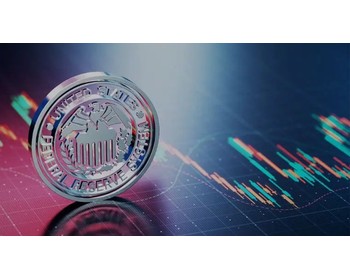
Recently, while the US and Iran signed a bilateral memorandum of understanding, the Federal Reserve's interest rate meeting maintained the interest rate unchanged. However, the Federal Reserve Chair, Volcker, demonstrated an aggressive stance in his "debut" and vowed to restore price stability. The dot plot shifted sharply towards an aggressive stance, with half of the officials predicting an interest rate hike within the year. Panic spread rapidly and swept through the global financial market. The Bank of America predicted that the Federal Reserve would raise interest rates three times this year, with a 25 basis point increase each in September, October, and December, for a cumulative increase of 75 basis points. Volcker's hawkish remarks have given a signal of policy change, and there is a possibility of an interest rate increase exceeding 75 basis points this year. In the global financial system, the US dollar holds a core dominant position, and US bond yields are the pricing benchmark for all financial assets. The Federal Reserve's interest rate decision seems to be a single monetary policy adjustment in the United States, but it has a comprehensive and deep impact on financial institutions, cross-border capital systems, etc.
The bond market is the most directly impacted and reacts most quickly by the Federal Reserve's interest rate hike. The global fixed-income market has generally experienced a decline. From the US domestic market perspective, the interest rate hike directly pushed up the yields of short-term and long-term US bonds, and bond prices moved inversely to interest rates. A large amount of existing US bonds saw a significant decline in price, causing banks, pension funds, and asset management institutions holding a large amount of US bonds to experience significant book losses. The trading liquidity of the US bond market continued to shrink. At the same time, the US government's debt interest expenses increased significantly, further exacerbating the US fiscal pressure, and the long-term investment value of US bonds was questioned by the market. Meanwhile, the bond valuations of developed economies would generally shrink as they followed the upward trend of US bond yields. The sovereign credit spreads of countries with weaker risk resistance would widen significantly, the cost of foreign debt financing would soar, and many countries would encounter difficulties in issuing new bonds and selling existing bonds, significantly increasing the risk of sovereign debt default. For enterprises, the global dollar bond financing interest rates rose sharply, the credit bond prices of high-debt enterprises, real estate, and cyclical industries plummeted, the number of junk bond defaults increased significantly, and the direct financing channels of enterprises continued to tighten. At the same time, the interest rate spread between China and the United States widened, and foreign institutions continued to reduce their holdings of RMB bonds. Domestic net value-based wealth management products and fixed-income products experienced increased volatility, and the stable investment returns for ordinary investors were also significantly affected.
The stock market witnessed a comprehensive valuation reduction. Global stock markets experienced a downward trend and showed significant structural differentiation. The core of stock valuation is the discounted future cash flows. The Federal Reserve's interest rate hike raised the global risk-free yield, which was equivalent to increasing the "discount rate" for asset pricing. The valuation of enterprises' future profits was significantly reduced, which was the core reason for the market's panic selling of stocks. From the perspective of the US stock market, high-valued growth sectors such as AI, semiconductors, and innovative drugs were highly sensitive to interest rates and had the most significant declines. The banking sector, with the advantage of expanding net interest margins, was relatively less affected. The high-debt industries such as real estate and automobiles were under continuous pressure due to the increase in residents' and enterprises' financing costs. For the A-share and Hong Kong stock markets, the net outflow of North American funds was significant for a period, and the high-valued sectors heavily weighted by foreign funds continued to decline. The overall risk appetite in the market was low, and trading volume shrank. Only high-dividend, export manufacturing, and other defensive sectors were relatively less affected, and the market presented a "panic avoidance, cautious observation" pattern.
Emerging market currencies faced more severe shocks. The Turkish lira, Argentine peso, and currencies of many Southeast Asian countries plunged sharply. To stabilize the exchange rate, central banks of various countries were forced to sell foreign exchange reserves to intervene in the market, resulting in the rapid depletion of their foreign exchange reserves. Some weak economies even faced the risk of running out of foreign exchange reserves and a currency collapse. The RMB exchange rate will also face a period of depreciation pressure. The cost for import enterprises to purchase foreign exchange will rise, and the risk of imported inflation will increase. However, relying on China's abundant foreign exchange reserves, stable economic fundamentals, and mature cross-border regulatory tools, it is possible to effectively prevent disorderly and significant fluctuations in the exchange rate, and overall risks can be controlled.
In conclusion, if the Federal Reserve really raises interest rates, it is not a simple adjustment of monetary policy, but a "super variable" that affects the global financial lifeline. Under the global financial system dominated by the US dollar, each round of interest rate hike cycle will trigger global liquidity tightening, asset revaluation, capital migration, and risk release, causing continuous fluctuations in global stock markets, bond markets, exchange markets, and commodity markets, intensifying the operating pressure on financial institutions, and continuously exposing risks in emerging markets.

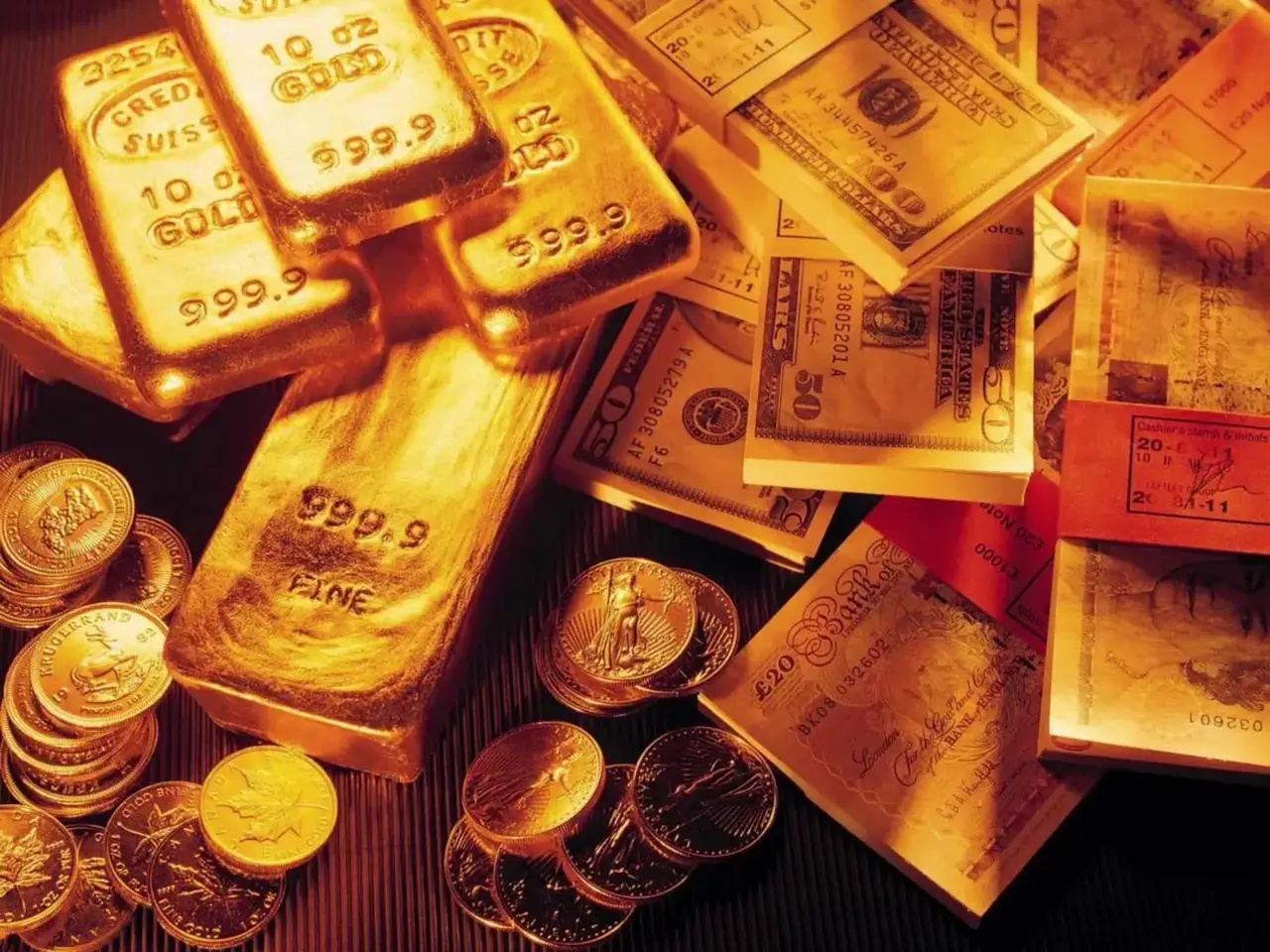
From reaching a historical peak of $5598 per ounce in late January 2026 to approaching the $3940 per ounce mark by the end of June, international gold prices have plummeted nearly 30% in just five months, marking the largest quarterly decline in 13 years.
From reaching a historical peak of $5598 per ounce in late …

On July 5, 2026, Yahoo Finance reported that QTS, a data ce…
In the early hours of July 6, the Russian military launched…

A survey conducted by the UK Financial Conduct Authority (F…
The Trump administration has sent clear policy signals of p…
Recently, while the US and Iran signed a bilateral memorand…
© Copyright 2026, All Rights Reserved