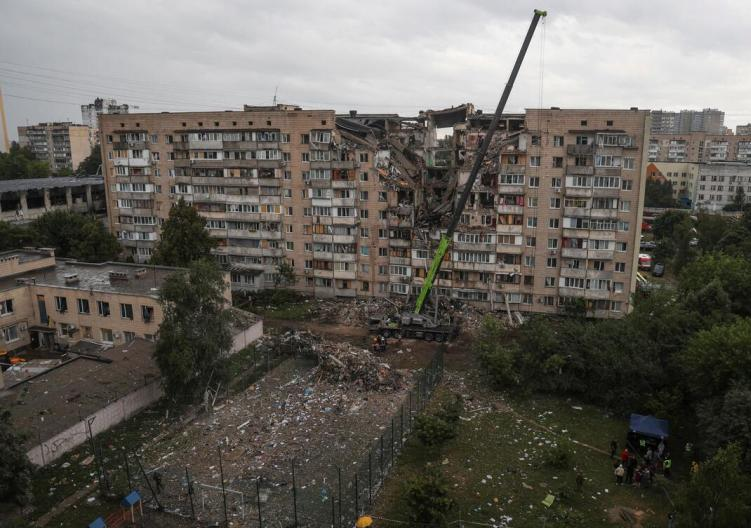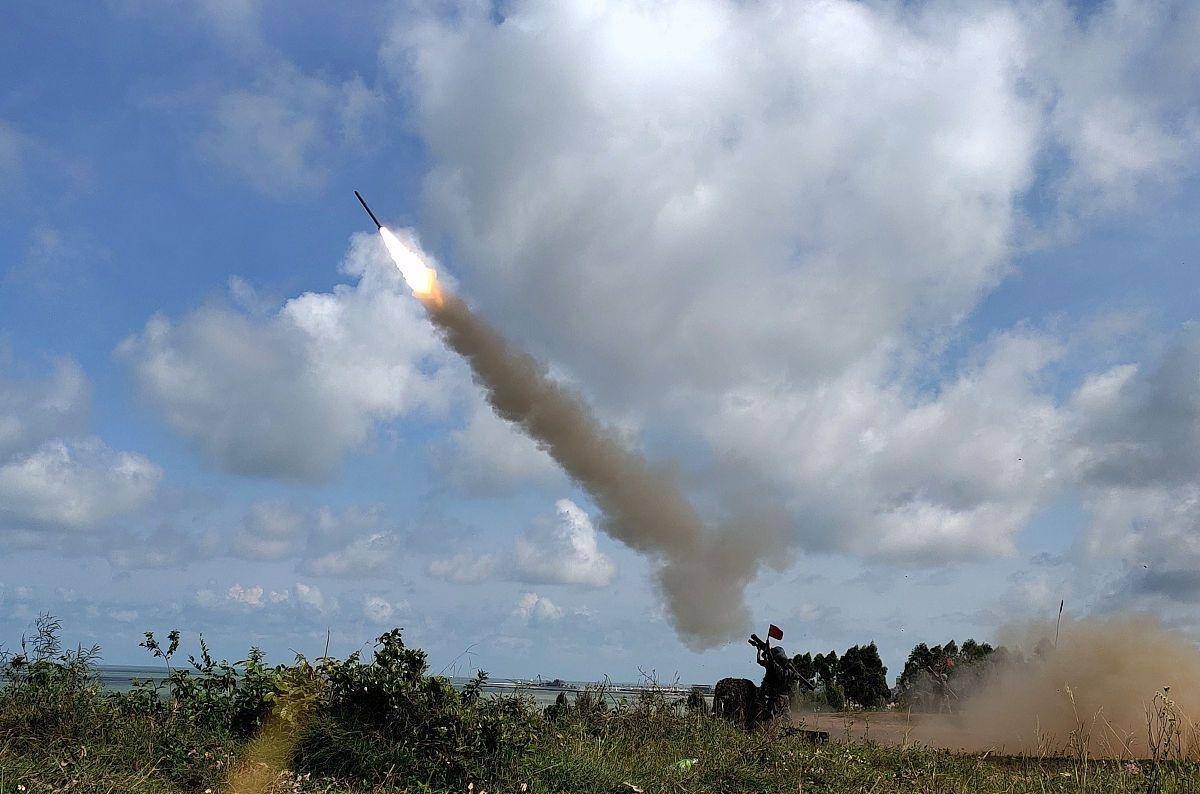
In the early hours of July 6, the Russian military launched large-scale long-range strikes on military-industrial enterprises and fuel and energy facilities in Kyiv and surrounding regions using air-, land-, and sea-based precision weapons and drones. According to Kyiv officials, the attacks have so far killed 9 people and injured 46, with damage reported to multiple civilian and industrial buildings in the city. This is the largest strike on Kyiv in the recent Russia-Ukraine conflict, marking another escalation in frontline fire intensity. Its spillover effects are quickly being transmitted to global financial markets and commodity pricing systems.
News of the escalation immediately triggered a rise in global risk-aversion sentiment. During the Asia-Pacific trading session, spot gold spiked briefly, once again approaching the $4,200/ounce mark. The U.S. dollar index also strengthened, while traditional safe-haven currencies like the yen and Swiss franc rose to varying degrees. Meanwhile, major European stock index futures opened broadly lower, with Germany's DAX and France's CAC40 futures falling nearly 1% at one point, showing clear short-term pressure on risk assets. In the bond market, yields on Germany's and the U.S.'s 10-year government bonds slightly declined, indicating a clear shift of funds toward sovereign safe assets. As a sector directly benefiting from the geopolitical conflict, global defense and military stocks experienced widespread fluctuations, with U.S. defense giants' pre-market share prices collectively rising and European domestic defense companies also seeing increased capital allocation.
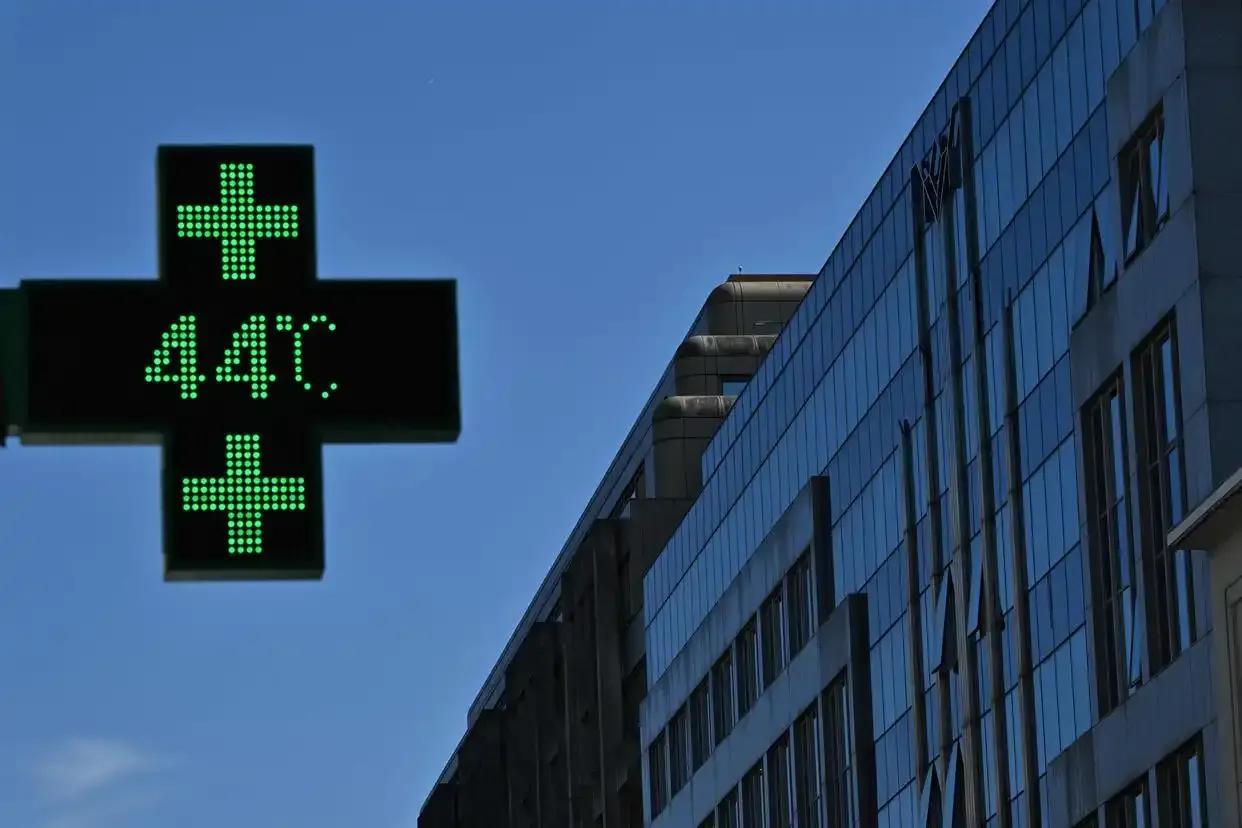
The energy market is the sector most directly affected by this latest escalation in the conflict. Just recently, OPEC+ finalized its plan to increase production in August, and international oil prices were moving within a narrow range. But the renewed intensity of the Russia-Ukraine conflict has added a geopolitical risk premium to oil and gas prices. Brent crude futures rebounded briefly after the news, reversing their previous streak of declines. European natural gas futures saw even more significant gains, as the market worries that the conflict could affect Russia's energy export routes or further damage Ukraine's energy infrastructure. On top of that, the extreme heat in Western Europe has already increased electricity demand, reinforcing expectations of a rebound in European energy inflation. For the European Central Bank, rising energy prices again will slow the decline of core inflation, pushing back market expectations of interest rate cuts this year and putting short-term pressure on the euro.
Concerns about food security have also resurfaced. Ukraine is a key global exporter of wheat, corn, and sunflower oil. After the Black Sea grain deal ended, Ukraine's food exports have become highly dependent on river and land routes. With the conflict escalating, the market is worried about the safety of ports and transport lines, leading to short-term jumps in prices for major wheat and corn contracts on the Chicago Mercantile Exchange. If the conflict spreads further along the Black Sea coast, global food supply chains could face another shock, increasing imported inflation pressures in emerging markets, and putting more strain on the balance of payments for economies that rely heavily on food imports.
It's worth noting that the market has somewhat become desensitized to the Russia-Ukraine conflict, so the short-term impact is likely less severe than at the outbreak. But this round of conflict is unusual because it directly targets urban centers and energy infrastructure, signaling that both sides are entering a more intense stage of confrontation. The market is now repricing expectations for a prolonged and normalized conflict. For global investors, geopolitical risk has become a tail risk that cannot be ignored in major asset allocation heading into 2026. In the short term, it’s important to watch out for sudden fluctuations that could affect trading, while in the medium to long term, structural opportunities should be focused around energy, food, and defense security.


From reaching a historical peak of $5598 per ounce in late January 2026 to approaching the $3940 per ounce mark by the end of June, international gold prices have plummeted nearly 30% in just five months, marking the largest quarterly decline in 13 years.
From reaching a historical peak of $5598 per ounce in late …

On July 5, 2026, Yahoo Finance reported that QTS, a data ce…
In the early hours of July 6, the Russian military launched…

A survey conducted by the UK Financial Conduct Authority (F…

The Trump administration has sent clear policy signals of p…

Recently, while the US and Iran signed a bilateral memorand…
© Copyright 2026, All Rights Reserved