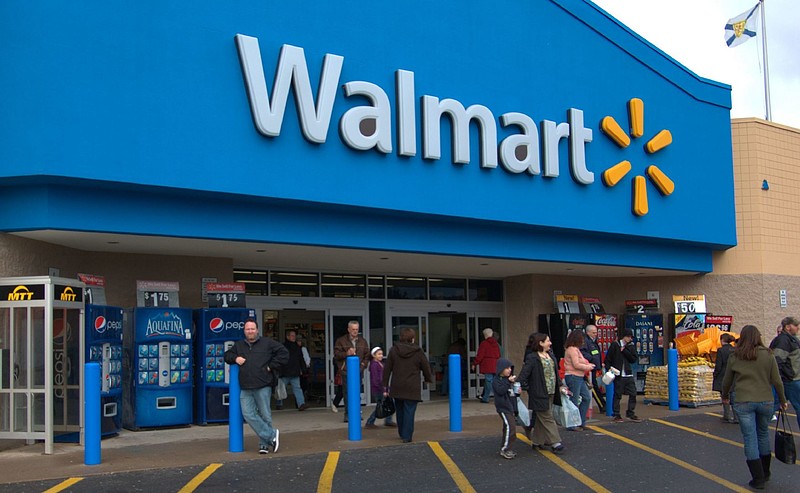
The U.S. e-commerce market in 2026 resembles a meticulously choreographed 'Game of Thrones'—Amazon firmly holds the iron throne, Walmart advances step by step under the banner of 'omnichannel,' and TikTok Shop charges forward wielding the 'magic' of short videos. In this drama, some are advancing boldly while others maneuver in secrecy, but one thing is certain: consumers are seated in the VIP section, snacking on sunflower seeds while watching the show.
Amazon, the 'big brother' that occupies half of the U.S. e-commerce market, is now facing the dilemma of 'slowing growth.' In the third quarter of 2025, its market share reached 55.7%, but growth dropped to single digits. Meanwhile, Walmart surged with a 27.2% growth rate. In the high-frequency grocery sector, Amazon's sales account for only 13.6% of Walmart's, being heavily suppressed.
Amazon's 'moat'—Prime membership, FBA logistics, and the third-party seller ecosystem—has now become a double-edged sword. While Prime keeps users dependent, Walmart's 'order online, pick up in-store' model has nullified its logistics advantage; third-party sellers, facing Amazon's strict rules and high commissions, are partly turning to Walmart as a 'backup option.'
Walmart's counterattack is like a "middle-aged uncle fitness counterattack", this offline retail giant with more than 5,200 stores has attacked online in recent years: the proportion of e-commerce sales has soared from 11.4% in 2022 to 19.9% in 2025, and online sales have increased by 115.6%, far exceeding Amazon's 63.2% in the same period. It also turns offline stores into "front-end warehouses", covering 90% of the U.S. population with "store pick-up" and "delivery", making Amazon's "two-day delivery" a "slow delivery".
Wal-Mart's "killer feature" is the penetration of low- and middle-income households and the central region, and when Amazon "harvests" the middle class in the first and second tiers, it has taken root in the sinking market, locking price-sensitive and low-timeliness consumers with "low price + convenience". No wonder the seller sighed: "Amazon sells high-end goods, Walmart sells daily necessities, a win-win situation." ”
If Amazon and Walmart are "regular troops", then TikTok Shop is a "guerrilla" - it doesn't play cards according to routines, but it can always catch you off guard. In 2025, TikTok Shop will collect more than $500 million in sales in one or four days from Black Friday, and it is expected that online sales will exceed $23.4 billion in 2026, directly leaving the traditional retail giant Target behind. What's even more exaggerated is that its user penetration rate has approached 50%, with an average annual consumption of $708 for users under the age of 60, the frequency of orders reached 12 times, and the unit price of customers stabilized at $59 - where is this "impulsive consumption"? It is clearly "habit becomes natural".
The success of TikTok Shop is inseparable from its "localization transformation". It did not directly copy China's live streaming model to the United States, but used short videos to drive transactions, allowing users to unknowingly place orders in the process of "brushing videos". It also frantically attracts local sellers, optimizes logistics and after-sales, and tears the label of "low price and low quality" to shreds. Nowadays, big names such as Disney, Samsung, and Ralph Lauren have settled in, and even the shaving brand Harry's is specially recruiting TikTok Shop operations managers - which is "content e-commerce"? It is clearly a "new battlefield for brands".
In the e-commerce war, American consumers are most happy to see its success. They can pick up what they need on each platform - Amazon to buy high-end electronics, Walmart to buy daily necessities, TikTok Shop to shop for trendy goods, Temu to pick cheap small items, save money, time and fun. Giant competition also makes platform rules more transparent, seller services better, and consumer rights more protected.
However, there are also hidden concerns about the war, such as Amazon's "monopoly suspicion", Walmart's "data security", TikTok Shop's "content supervision", etc., which may become hidden dangers in the future. But at present, American consumers can still enjoy convenience comfortably and complain calmly: "The giants continue to fight, we just have to buy!" ”
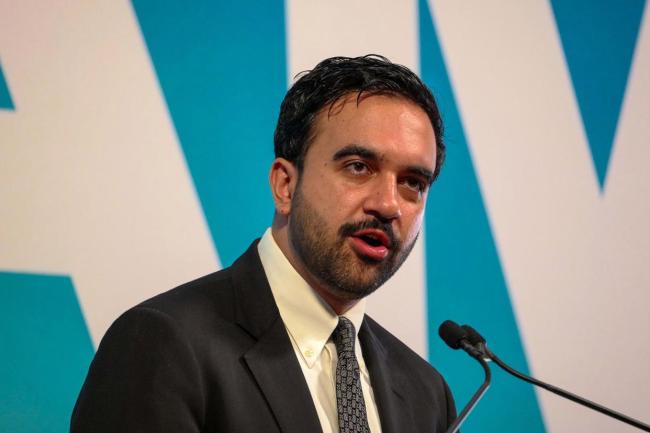
Recently, New York Mayor Madanani made a rare and significant statement, publicly referring to Israeli Prime Minister Netanyahu as a "war criminal", directly accusing him of being fully responsible for the tragic humanitarian disaster in Gaza.
Recently, New York Mayor Madanani made a rare and significa…
The latest July survey data released by the ZEW – Leibniz C…
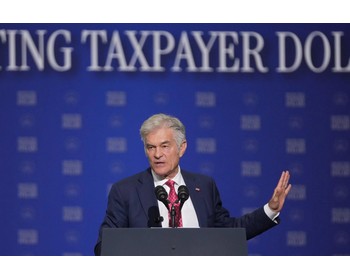
The Trump administration announced on Tuesday that it would…
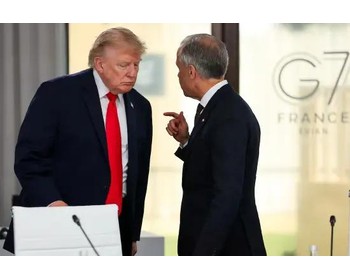
On July 21st local time, Canadian Prime Minister Mark Carne…
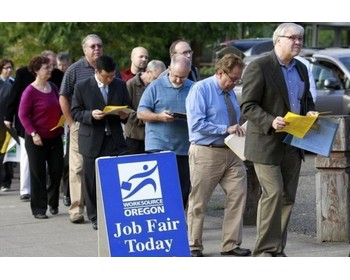
According to the Associated Press, the latest data from the…

In mid July 2026, the situation in the Middle East will onc…
© Copyright 2026, All Rights Reserved