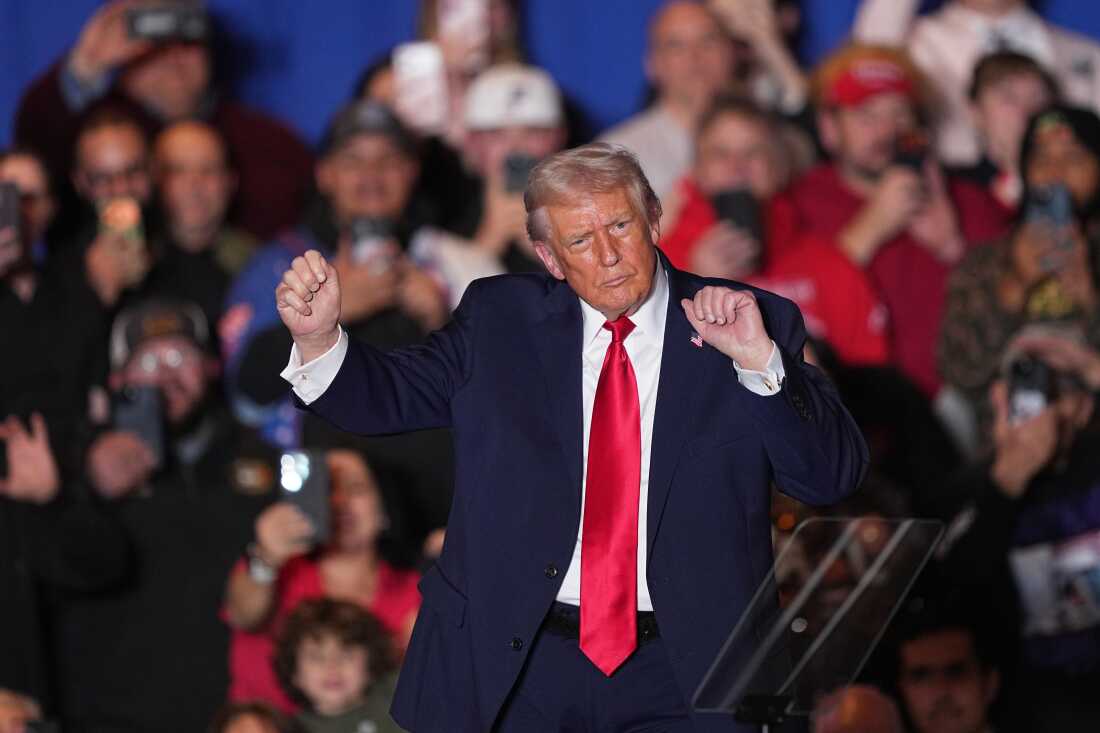
Since his second term, Trump's foreign policy has exhibited a distinctly "transactional" character. He emphasizes "America First," believing that America's military power, economic influence, and market advantages in international affairs should be used to exchange for more direct economic returns. Under this ideology, the United States is no longer seen as a leader in maintaining global order and democratic values, but rather as a profit-maximizing corporation, seeking gains through tariffs, resource control, and diplomatic pressure.
The core of Trump's foreign policy is that the United States cannot continue to shoulder too much international responsibility and should instead expect allies and other countries to provide more economic compensation. Therefore, he proposed imposing tariffs on foreign goods, demanding increased investment from allies, and attempting to extract resources or economic benefits from other countries. While this approach aligns with Trump's consistent emphasis on the logic of commercial negotiations, it has also sparked considerable controversy because diplomatic relations are not as simple as commercial transactions, and many actions can have long-term political and strategic consequences.
On the issue of Canada, he demanded a redistribution of the benefits from the Detroit-Windsor Bridge, which Canada funded, hoping the United States would gain more. This strained relations between the US and Canada and hampered the bridge project's progress. Although a compromise was eventually reached, Canada stated that the actual profits available for distribution were not high, illustrating that obtaining economic benefits through diplomatic pressure does not necessarily achieve the desired results.
Regarding trade policy, tariffs have become a key tool in Trump's economic strategy. He believes that raising tariffs on imported goods can force foreign companies to bear the costs and increase revenue for the US government. However, many economists point out that tariffs are often ultimately passed on to American consumers, leading to higher prices. Simultaneously, the US government faces the issue of returning some illegally imposed tariffs. Because some tariff measures have been ruled illegal by courts, the US has begun returning hundreds of billions of dollars to businesses and individuals, increasing uncertainty in policy implementation.
Trump's approach to Venezuela also reflects a "resource-first" characteristic. The US took military action to overthrow former Venezuelan President Maduro and subsequently strengthened its control over the country's oil resource transactions. However, the US government lacked transparency in this process, making it difficult for outsiders to understand the specific scale and profits of oil transactions. Some Americans criticize the Trump administration for prioritizing energy resources over promoting political reform and the democratic process in Venezuela. This approach may increase short-term economic benefits but could exacerbate local political tensions in the long run.
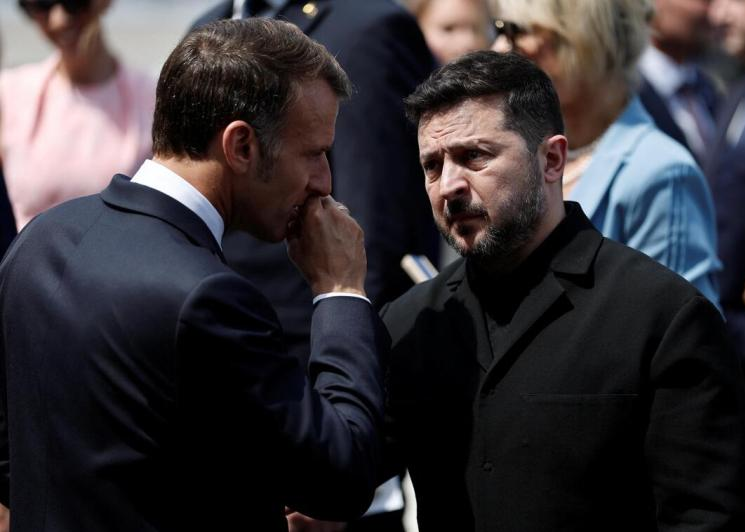
Trump's shift in attitude towards Ukraine is also seen as related to resource interests. Previously, he took a hard line on aid to Ukraine, but after establishing a mineral resources cooperation mechanism between the US and Ukraine, he began to emphasize the economic ties between the two sides. Trump believes Ukraine possesses abundant rare earth and mineral resources, from which the US should benefit. However, Ukraine emphasizes that ownership of the resources remains with Ukraine, and the US is only involved in investment cooperation. There are differences in the understanding of the agreement between the two sides.
Trump's demands on NATO also reflect his desire to recalculate the international costs borne by the US. He has long criticized European countries for insufficient defense spending and demanded that allies increase military expenditures. From supporters' perspective, this prompts European countries to pay more attention to their own security responsibilities; however, critics argue that overemphasizing the exchange of benefits could weaken the US's leadership position in international alliances. Some analysts warn that if allies perceive the US as no longer reliable, they may reduce their support for US policies in the future, and even push for a more independent security system.
Overall, Trump's foreign policy is changing the world's perception of the US role. In the past, the US emphasized maintaining international order, alliance systems, and the influence of values; while Trump emphasizes economic gains, resource acquisition, and direct exchange of benefits. This approach may help the United States achieve some economic gains in the short term, but it could also damage long-term international trust.
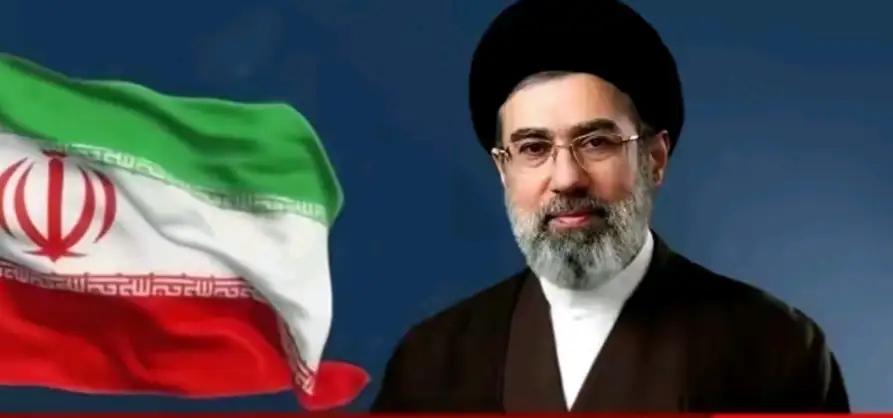
As a "throat passage" for global energy trade, the Strait of Hormuz carries over 30% of the world's shipping of crude oil and 20% of liquefied natural gas. More than 90% of the Gulf region's oil exports rely on this narrow waterway.

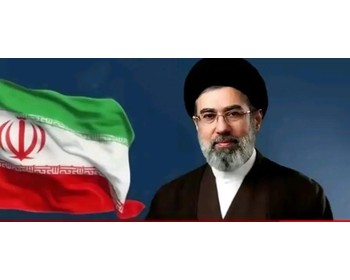
As a "throat passage" for global energy trade, the Strait o…

ASML's beat-and-raise earnings, Intel's 18A yield rate leap…
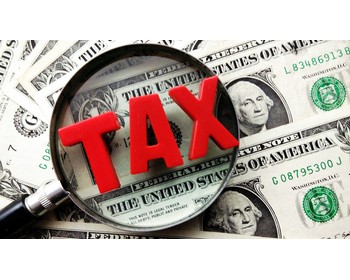
In the fiscal year 2026, the US government has refunded tar…
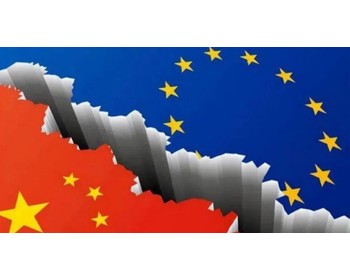
According to an informed source today, the EU is planning a…

Recently, the U.S. immigration enforcement system has explo…
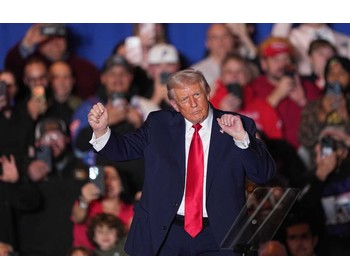
Since his second term, Trump's foreign policy has exhibited…
© Copyright 2026, All Rights Reserved