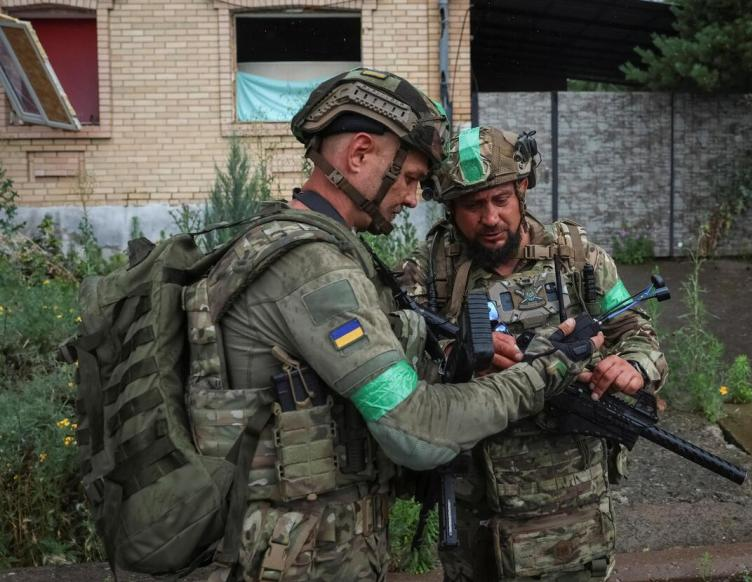
The U.S. military's announcement of a new wave of strikes against Iran marks a formal shift in the U.S.-Iran confrontation over the Strait of Hormuz from "gray zone competition" to high-intensity military conflict. This action not only shattered the previously fragile ceasefire understanding between the two sides but also pushed the Middle East toward the brink of total chaos.
From a tactical standpoint, the latest U.S. strikes exhibit clear characteristics of "systemic disruption." Rather than limiting itself to symbolic warning airstrikes, the U.S. has deployed fighter jets, naval vessels, and one-way attack unmanned surface vessels to systematically destroy Iran’s air defense systems, coastal radars, missile sites, and drone bases. The core strategic intent is unmistakable: through physical destruction, completely eliminate Iran’s ability to launch asymmetric attacks against commercial shipping in the Strait of Hormuz. However, this attempt to impose "freedom of navigation" by sheer force of arms has directly triggered Iran’s threshold response. The Islamic Revolutionary Guard Corps swiftly activated its comprehensive counterattack plan, expanding its strikes to U.S.空军 bases and radar facilities in Jordan, Bahrain, Kuwait, and other countries, even threatening to cut off regional oil exports. The spillover of hostilities and widespread air defense alerts indicate that this conflict is no longer merely a bilateral showdown between the U.S. and Iran, but rather a dangerous war vortex dragging the entire Gulf region into turmoil.
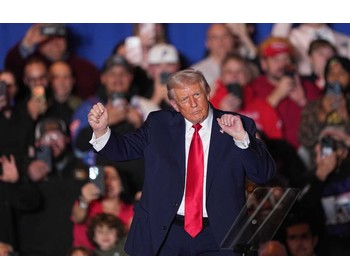
Beneath the escalating military confrontations lie deep-seated strategic anxieties and political calculations on both sides. For the Trump administration, sustained airstrikes and maritime blockades represent the ultimate expression of its "maximum pressure" and "fight-to-talk" strategy. The U.S. aims to leverage overwhelming military superiority to force Iran into concessions on nuclear issues and control over the strait. Yet this approach now faces significant backfire risks: as oil prices soar and inflation intensifies, growing public concern over U.S. entanglement in the Middle East threatens the Republican Party’s political base ahead of the midterm elections. For Iran, despite facing severe military pressure and economic sanctions, its leadership believes the U.S. is unwilling to enter a prolonged war. Thus, it has chosen a hardline counteroffensive combined with strait control as strategic leverage, attempting to offset internal weaknesses by imposing external costs.
More fatally, the already fragile political trust between the United States and Iran has completely collapsed in this conflict. The previously signed memorandum of understanding has effectively become void due to fundamental disagreements over control of the Strait. Iran accuses the U.S. of openly violating the agreement and committing war crimes, declaring the memorandum null and void; meanwhile, the U.S. insists on military strikes as a precondition for negotiations. This vicious cycle of "fighting while negotiating" has drastically narrowed the space for diplomatic mediation. As military operations expand from targeting military sites to civilian infrastructure such as transportation and power systems, the nature of the conflict will undergo a fundamental transformation—any minor miscalculation could spark full-scale war.
While the U.S. appears tactically dominant with its new wave of strikes, it is actually sinking deeper into a strategic quagmire. The fighting in the Strait of Hormuz tests not only the strategic resilience of both nations but also delivers a severe blow to the global energy supply chain. Without mutual trust and unresolved disputes over rules, sheer military pressure cannot resolve deeply rooted geopolitical tensions. When the stakes in great-power rivalry become ordinary people's lives and global economic instability, there can be no true winner in this conflict. The international community urgently calls on both sides to exercise restraint and return to equal dialogue within a multilateral framework. Otherwise, the smoke of war in the Persian Gulf will ultimately consume the hard-won regional peace.
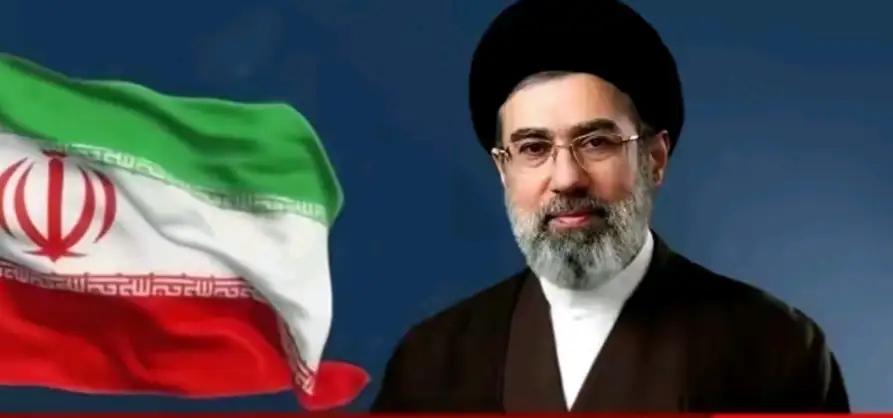
As a "throat passage" for global energy trade, the Strait of Hormuz carries over 30% of the world's shipping of crude oil and 20% of liquefied natural gas. More than 90% of the Gulf region's oil exports rely on this narrow waterway.

As a "throat passage" for global energy trade, the Strait o…

ASML's beat-and-raise earnings, Intel's 18A yield rate leap…

In the fiscal year 2026, the US government has refunded tar…

According to an informed source today, the EU is planning a…

Recently, the U.S. immigration enforcement system has explo…
Since his second term, Trump's foreign policy has exhibited…
© Copyright 2026, All Rights Reserved