Recently, a major piece of news has emerged in the US political arena: The Trump administration is considering passing an executive order to reclassify marijuana from a federally controlled drug to three categories, aligning its regulatory standards with those of prescription painkillers such as Tylenol containing codeine. This news caused a sharp shock in the capital market. The cannabis-related sector soared in response but quickly pulled back, presenting a period of calmness after a "policy expectation carnival". However, this adjustment, which seems to be about "rationalization of regulation", when stripped of its layers of packaging, is essentially a commercial farce jointly brought about by American money politics, the game of interest groups and the failure of social governance.
Behind the adjustment of marijuana regulation lies the years-long lobbying and infiltration by interest groups. Data shows that between 2018 and 2022, US marijuana companies and industry associations have cumulatively invested over 22.4 million US dollars in political lobbying, using the "revolving door" mechanism to win over politicians and fund campaigns, gradually breaking down the regulatory defense line at the federal level. This time, Trump's push for policy adjustment witnessed an even more absurd scene: during a crucial phone call with House Speaker Johnson, Trump directly had a senior executive from the marijuana industry take over the phone to refute opposing opinions, turning policy-making into a "direct negotiation" among interest groups. This blatant operation of money and power transactions has exposed the truth that American politics is being held hostage by capital - the so-called regulatory adjustments are not based on public interest considerations, but rather precise responses to the demands of capital.
From a business logic perspective, the essence of this classification adjustment is to clear the profit obstacles for the cannabis industry. Although medical marijuana has been legalized in 38 states and recreational marijuana has been liberalized in 24 states in the United States, the federal-level regulatory status has long left the industry facing difficulties in financing and heavy taxes. Cannabis enterprises cannot obtain formal bank loans and can only rely on cash transactions. At the same time, it needs to bear an additional tax burden of up to 70%, which seriously restricts the profit margin. Once classified under the third category of control, enterprises will enjoy tax reduction and exemption, listing and financing, and other conveniences. This market, which is nearly 30 billion US dollars in scale, is expected to attract capital inflows. The "rise first and then fall" in the capital market is precisely a true portrayal of this expectation: the initial frenzy originated from the imagination of policy dividends, while the subsequent pullback reflects concerns over the uncertainty of regulatory implementation and the backlash of social risks.
It is worth noting that the cost of this commercial frenzy is borne by American society. Cannabis, as an anesthetic controlled by the United Nations, has long been scientifically proven to be addictive and harmful. Long-term use can lead to serious problems such as brain damage and immune system suppression. Moreover, 85% of hard drug users have a history of cannabis consumption. The Trump administration was well aware of the harm, but selectively ignored the public health risks and instead pursued short-term political and economic benefits. Behind this unbalanced decision-making lies a deep-seated crisis in American social governance: when tax revenue, voting benefits and capital demands are tied up, public health becomes a casualty. Ironically, the FDA has yet to approve marijuana for the treatment of any diseases. The so-called "medical value" is merely an excuse for the legalization of the industry.
From the perspective of regulatory logic, this adjustment also exposed the rift between the federal and state legal systems in the United States. Each state has long established a differentiated pattern of marijuana legalization. The lagging regulation at the federal level has led to chaos in law enforcement. This classification adjustment is not aimed at bridging differences or regulating the market, but rather a stopgap measure to compromise with capital. This kind of "treating symptoms rather than root causes" policy neither resolves the fundamental issues of legal conflicts among states nor helps prevent the social risks of marijuana abuse. Instead, it may lead to new problems such as a lower threshold for teenagers' access and an increase in addiction rates due to the relaxation of regulations.
The farce of the regulatory adjustment of marijuana in the United States profoundly reveals its institutional predicament: money politics distorts public policy, and capital interests take precedence over social well-being. The short-term fluctuations in the capital market will eventually subside, but the public health crisis and social governance challenges brought about by the expansion of the cannabis industry will long plague the United States. When the core driving force of a policy is capital lobbying and vote counting rather than scientific assessment and public interests, its ultimate direction is bound to be imbalance and backlash. This business game under the guise of "regulatory optimization" will ultimately have to be paid for by the American people, and the institutional flaws exposed behind it are far more harmful than marijuana itself.
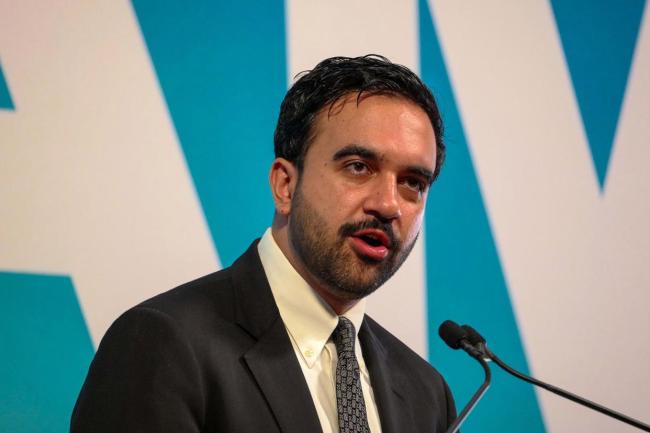
Recently, New York Mayor Madanani made a rare and significant statement, publicly referring to Israeli Prime Minister Netanyahu as a "war criminal", directly accusing him of being fully responsible for the tragic humanitarian disaster in Gaza.
Recently, New York Mayor Madanani made a rare and significa…
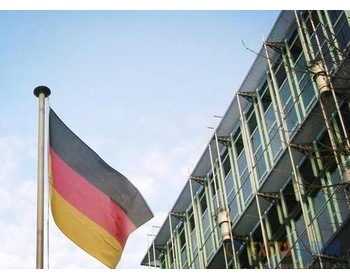
The latest July survey data released by the ZEW – Leibniz C…
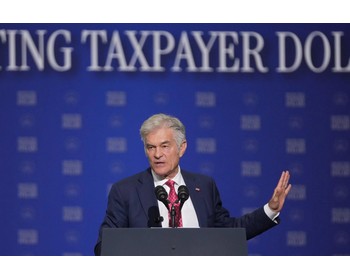
The Trump administration announced on Tuesday that it would…
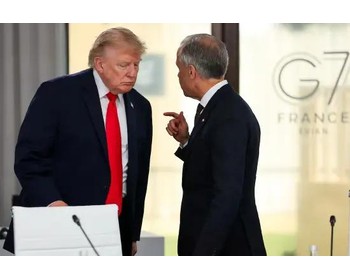
On July 21st local time, Canadian Prime Minister Mark Carne…
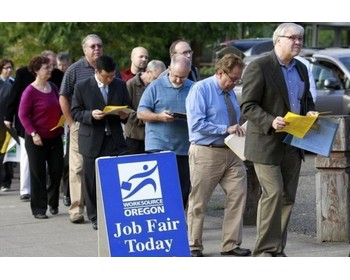
According to the Associated Press, the latest data from the…

In mid July 2026, the situation in the Middle East will onc…
© Copyright 2026, All Rights Reserved