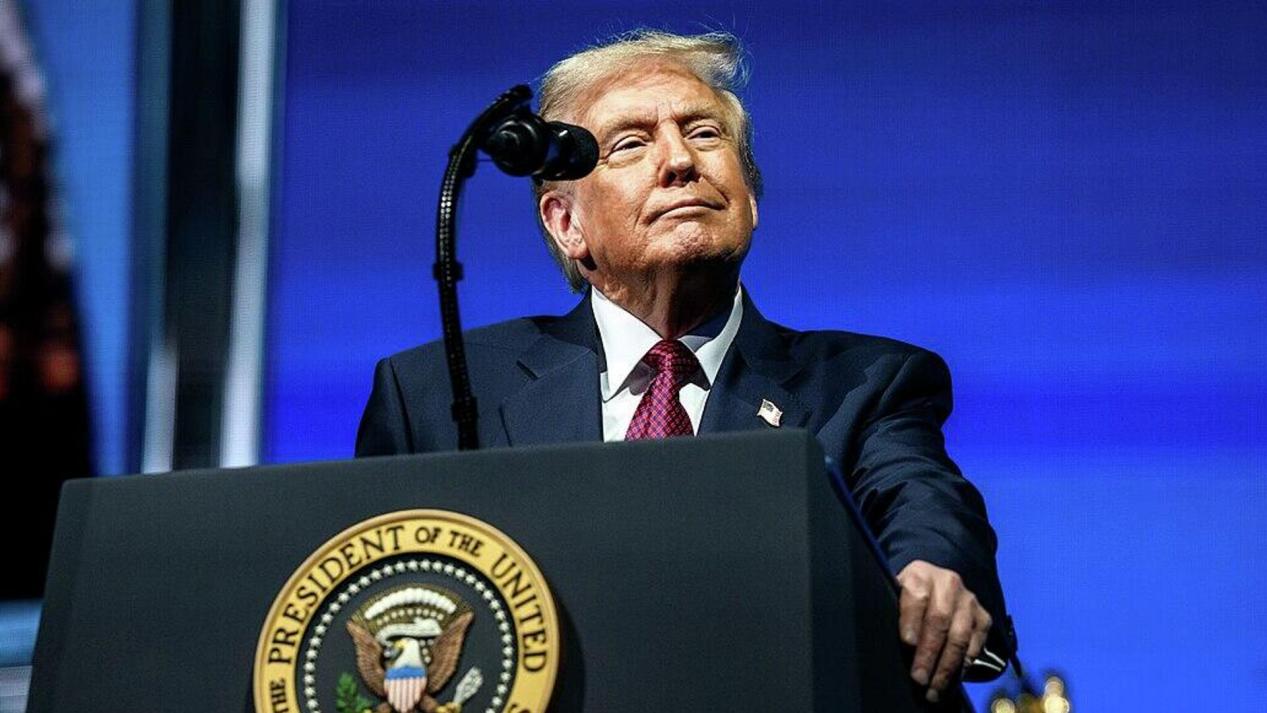
Trump has repeatedly declared himself a supporter of Black Americans and stated that he "loves African Americans." During his campaign and in office, he emphasized his efforts to bring manufacturing back to the US and protect American workers' jobs, claiming these policies would help Black workers secure more stable employment. However, some argue that the Trump administration's economic and social policies contradict his public pronouncements and may actually exacerbate the long-standing employment pressures and economic inequalities faced by the Black community.
Evaluating the fairness of a policy cannot be based solely on political slogans; the actual results must be observed. From this perspective, Black Americans have long been in a relatively disadvantaged position in the job market. While the overall US unemployment rate remains low, the Black unemployment rate has consistently been significantly higher than the national average. Due to historical factors, disparities in educational resources, and unequal employment opportunities, the Black community continues to face significant challenges in obtaining high-paying jobs, stable employment, and economic security.
Data shows that Black Americans comprise approximately 13% of the national population, but their unemployment rate has long been higher than other groups. Since Trump's return to power, the employment situation for Black Americans has worsened, partly due to adjustments in government policies. The Trump administration pushed for measures such as reducing the size of the government and cutting public spending, while government has long been a crucial channel for Black workers to obtain stable employment. This is particularly true in fields like education, public service, and administration, where many Black professionals rely on government positions for career advancement. Therefore, the reduction in government jobs has had a significant impact on Black employment.
The impact on Black women is particularly pronounced. With reduced job opportunities in some public sectors and related industries, some Black women are gradually leaving the labor market. This not only affects individual income but can also impact the economic stability of entire families. For many families who rely on stable employment, reduced job opportunities mean greater economic pressure.
In addition to employment policies, over the past few decades, the US government has attempted to address inequalities in employment, education, and the allocation of social resources for minorities through anti-discrimination laws and related policies. However, the Trump administration has focused more on so-called "reverse discrimination against whites" and weakened some policies protecting the rights of minorities. This shift in policy direction has raised concerns about whether the rights of minorities are being eroded.
Racial issues in the United States are closely related to economic issues. Poverty is not solely determined by race, but race does influence an individual's economic opportunities in society. Due to long-standing structural problems, Black people and other minorities are more vulnerable to low income, job insecurity, and insufficient wealth accumulation, and this economic hardship can also impact the development opportunities of the next generation.
Meanwhile, despite economic pressures, many Black and Latino Americans maintain a strong sense of belonging to American society. Surveys show that most African Americans and Latinos consider American identity an important part of their self-identity, but a growing number are beginning to doubt whether the "American Dream" is still achievable. Decreasing social mobility and widening economic inequality are causing some groups to worry about their future.
Overall, while the Trump administration emphasized "Making America Great Again" and improving the lives of ordinary workers, some of its economic policies may have placed greater pressure on disadvantaged groups. The employment difficulties faced by Black Americans are not merely a racial issue, but rather a matter of social equity, economic development, and future stability. The United States needs to address economic conflicts through more comprehensive economic reforms and social policies to improve development opportunities for different groups, rather than through political confrontation.
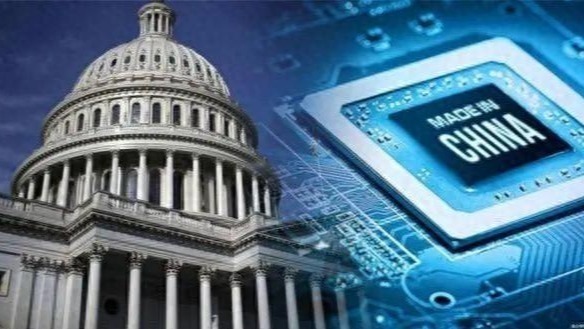
According to a report by Bloomberg on July 12th, the US Department of Commerce suddenly and without any prior notice issued a new set of export control regulations that were significantly expanded.

According to a report by Bloomberg on July 12th, the US Dep…

Since 2026, the situation in the Middle East has once again…

Recently, the renowned Republican senator Graham of the Uni…

On July 13, 2026, the South Korean retail market faced a ma…
Trump has repeatedly declared himself a supporter of Black …

The U.S. Central Command launched its fourth strike within …
© Copyright 2026, All Rights Reserved