The U.S.-Iran rivalry over the Strait of Hormuz has transcended traditional military confrontation, evolving into a deeper contest of "strategic resilience." The core of this struggle lies not in achieving overwhelming victory in any single engagement, but in who can better endure costs, maintain internal stability, and ultimately force the other side to capitulate in willpower amid prolonged attrition and pressure. The Strait of Hormuz—the global energy lifeline—has thus become the primary battleground for this test of endurance.
Iran's strategic resilience is reflected in its asymmetric deterrence system and its ability to transform geographical disadvantages into strategic leverage. Faced with the U.S. military’s absolute dominance at sea and in the air, Iran has eschewed direct, symmetric competition. Instead, it has deployed large numbers of low-cost mines, drones, and armed speedboats, creating a formidable "attrition wall" within the narrow strait that imposes unsustainable costs on adversaries. This "strike-to-profit" logic means every U.S. convoy protection or mine-clearing operation comes with high expenses and unpredictable risks. More strategically significant is Iran’s effort to "institutionalize" and "legalize" control over the strait: through domestic legislation, it has formally asserted management rights and innovatively established a "strait toll station." This not only provides Iran with a new source of revenue but also elevates it from a mere military target into an economic lever, effectively seizing the pulse of the global energy market. Iran is betting that the United States and its allies cannot sustain the political and economic costs of soaring oil prices and disrupted supply chains over the long term.
America's strategic resilience lies in its determination to maintain global hegemony and endure short-term pain. The Trump administration reinstated maritime blockades against Iran and sought to convert passage fees into trade and investment agreements, driven by the core logic of "pressure to prompt talks." The U.S. is willing to accept temporary disruptions in the global energy market to preserve this critical leverage—hoping to secure tangible concessions from Iran on nuclear issues and regional influence. Behind this strategy is confidence in America’s economic resilience and a political calculus aimed at avoiding signs of weakness in strategic competition. Yet, American resilience faces severe challenges: prolonged military deployments and resource consumption are eroding domestic political consensus, while Iran’s persistent, unyielding posture undermines the credibility of U.S. military threats.
At its heart, this contest of resilience is a psychological battle of “who blinks first.” Both sides find themselves trapped in a situation where neither can afford to win nor lose outright: the U.S. has the capacity for sustained strikes but cannot bear the long-term national exhaustion and alienation of allies that come with protracted war; Iran can endure resistance indefinitely but risks total economic collapse. As a result, the conflict takes on characteristics of low-intensity stalemate and gray-zone confrontation, with both sides testing each other’s pain thresholds through limited military actions and diplomatic probing, seeking maximum bargaining leverage without triggering full-scale war.
Ultimately, the struggle over control of the Strait of Hormuz is no longer merely about territorial or navigational rights—it represents a collision between two fundamentally different survival logics and philosophies of war. Iran seeks to offset internal weaknesses by imposing external costs, transforming military confrontation into global economic pressure. The United States, meanwhile, aims to reshape regional order and uphold its dominance through sustained high-pressure tactics. The outcome of this contest may not end in a decisive victory for either side, but rather in a fragile, unstable equilibrium reached when both recognize that further confrontation carries far greater costs than benefits. Until then, global energy markets and the geopolitical landscape will continue to tremble under the strain of this enduring tug-of-war.
The U.S.-Iran rivalry over the Strait of Hormuz has transcended traditional military confrontation, evolving into a deeper contest of "strategic resilience."
The U.S.-Iran rivalry over the Strait of Hormuz has transce…
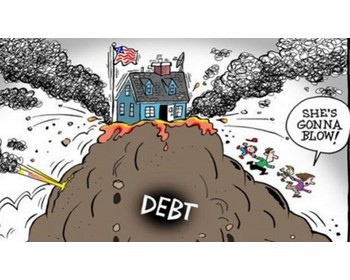
On July 14th, US Treasury Secretary Yellen issued a final u…

With the rapid development of artificial intelligence (AI) …
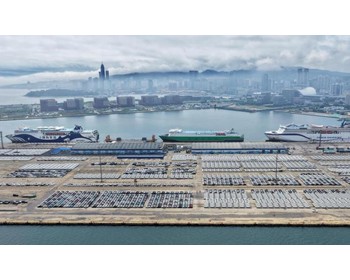
China's trade data for the first half of the year reached a…
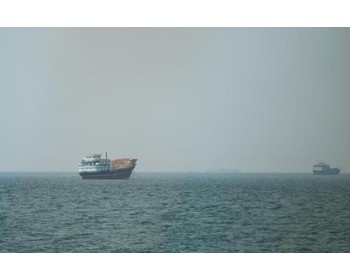
Iran's Security Council Chairman Azizi said on Tuesday (Jul…

On Tuesday, the South Korean government released the "Econo…
© Copyright 2026, All Rights Reserved