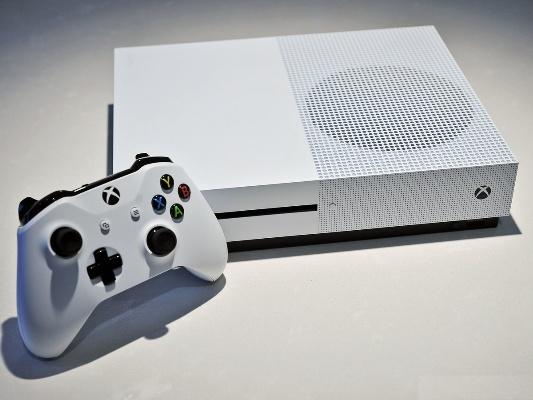
On July 6 local time, Microsoft announced global workforce cuts of 4,800 employees, with its core Xbox gaming division accounting for 3,200 eliminated roles—approximately 20% of its staff—marking the largest organizational overhaul in the brand’s history. This round of layoffs is not an impromptu personnel adjustment. An analysis of Microsoft’s financial reports, gaming industry investment and financing data, and internal business frameworks reveals that the restructuring represents a structural cost-cutting move following the burst of expansion bubbles within Microsoft’s gaming arm. It lays bare the profitability flaws plaguing tech giants venturing into cultural and entertainment businesses, while reflecting a new contraction cycle sweeping the global gaming industry.
The workforce rationalization will unfold in two phases. The first wave saw 1,600 employees dismissed with immediate effect, covering hardware R&D, marketing and communications, and back-end operations roles. The remaining 1,600 positions are set to be eliminated in batches throughout Fiscal 2027, impacting all subsidiaries across the value chain: Activision Blizzard, Bethesda, and Mojang. Concurrent with layoffs is a portfolio divestment initiative: five narrative-focused single-player studios will be shut down or divested, budgets for niche long-cycle projects slashed, and R&D pipelines for non-core content scaled back. Compared with the 2024 workforce reductions at Activision Blizzard, this restructuring strikes at Xbox’s headquarters, with far deeper scope and broader business repercussions than prior rounds.
The dual pressures of a downturn across the external industry and internal strategic missteps form the core catalysts for the layoffs. First, massive M&A expenditures have dragged down revenue. In recent years, Microsoft poured over $70 billion into acquiring leading game publishers, while continuously subsidizing console hardware and discounted Game Pass subscriptions. Its gaming segment has long operated at a deficit, with profit margins drastically trailing those of Sony and Nintendo, failing to hit profitability targets set by the Microsoft Group. Second, key business metrics underperformed internal projections. Confidential corporate data shows Game Pass subscriber growth has halved, falling far short of expansion-era targets, rendering the subscription monetization model unsustainable. Third, bloated, inefficient internal organizations emerged. Years of aggressive hiring and post-acquisition headcount expansion created multi-tiered management hierarchies, redundant back-office staff, and protracted R&D approval workflows that inflated hidden operational overheads.
This restructuring signals Microsoft’s definitive abandonment of its high-debt, scattergun expansion playbook, shifting entirely to a profitability-first strategy. Internal memos outline that Xbox will redirect all resources to two core verticals moving forward. The first pillar centers on blockbuster AAA IPs with proven long-term revenue streams such as Call of Duty and Starfield, with core development teams retained to sustain consistent returns. The second pillar prioritizes lightweight mobile games and IP derivative offerings, leveraging Activision’s existing user base to drive rapid monetization. Meanwhile, narrative-driven single-player titles and niche indie games—segments with extended payback cycles and lower profit yields—will see sweeping production cuts, ending the company’s pursuit of a fully comprehensive content ecosystem.
Analysis of historical mass layoff events in the gaming sector identifies two-sided risks embedded in this overhaul. On the upside, near-term labor cost reductions will bolster quarterly financial statements, ease Microsoft’s group-wide revenue strains, streamline the gaming division’s structure, and eliminate wasteful resource friction. Yet severe downsides loom large. For one, mass departures of senior artists, designers, and engineers will erode in-house development capacity and severely damage Xbox’s reputation for single-player premium content. For another, axing niche boutique titles will erode Game Pass’s differentiated content edge, potentially triggering subscriber attrition over the long run and destabilizing the platform’s foundational user base. Additionally, large-scale redundancies will dampen industry morale, deterring game talent from joining Xbox and exacerbating critical development staffing shortages.
Microsoft’s restructuring is not an isolated incident, but a ripple effect of capital withdrawal sweeping the global entertainment sector. Post-pandemic gaming growth dividends have faded, while capital markets have tightened funding for entertainment ventures, prompting successive workforce rationalizations at top overseas game publishers. Industry intelligence forecasts that leading global game developers will broadly enforce cost discipline over the next three years, bringing an end to the era of reckless acquisitions and unbridled team expansion. Industry competition is shifting from capital-fueled scale expansion to cost control, profit maximization, and blockbuster IP cultivation. For Microsoft, these layoffs mark only the starting point of strategic realignment. Further IP integration, business spin-offs, and organizational reforms lie ahead, leaving substantial uncertainty over whether Xbox can pull off a profitable turnaround.
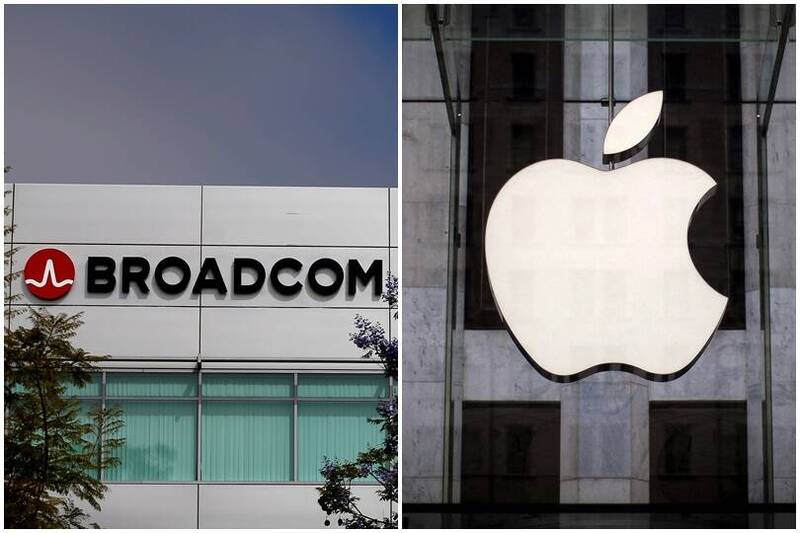
In July 2026, Apple and Broadcom signed a long-term chip procurement agreement worth over 30 billion US dollars.
In July 2026, Apple and Broadcom signed a long-term chip pr…

On July 6 local time, Microsoft announced global workforce …

As of early July 2026, the total size of US money market fu…

The "near total halt" of tanker transits through the Strait…

On July 8, during the NATO summit in Turkey, U.S. President…

A recent poll shows a growing number of Americans are conce…
© Copyright 2026, All Rights Reserved