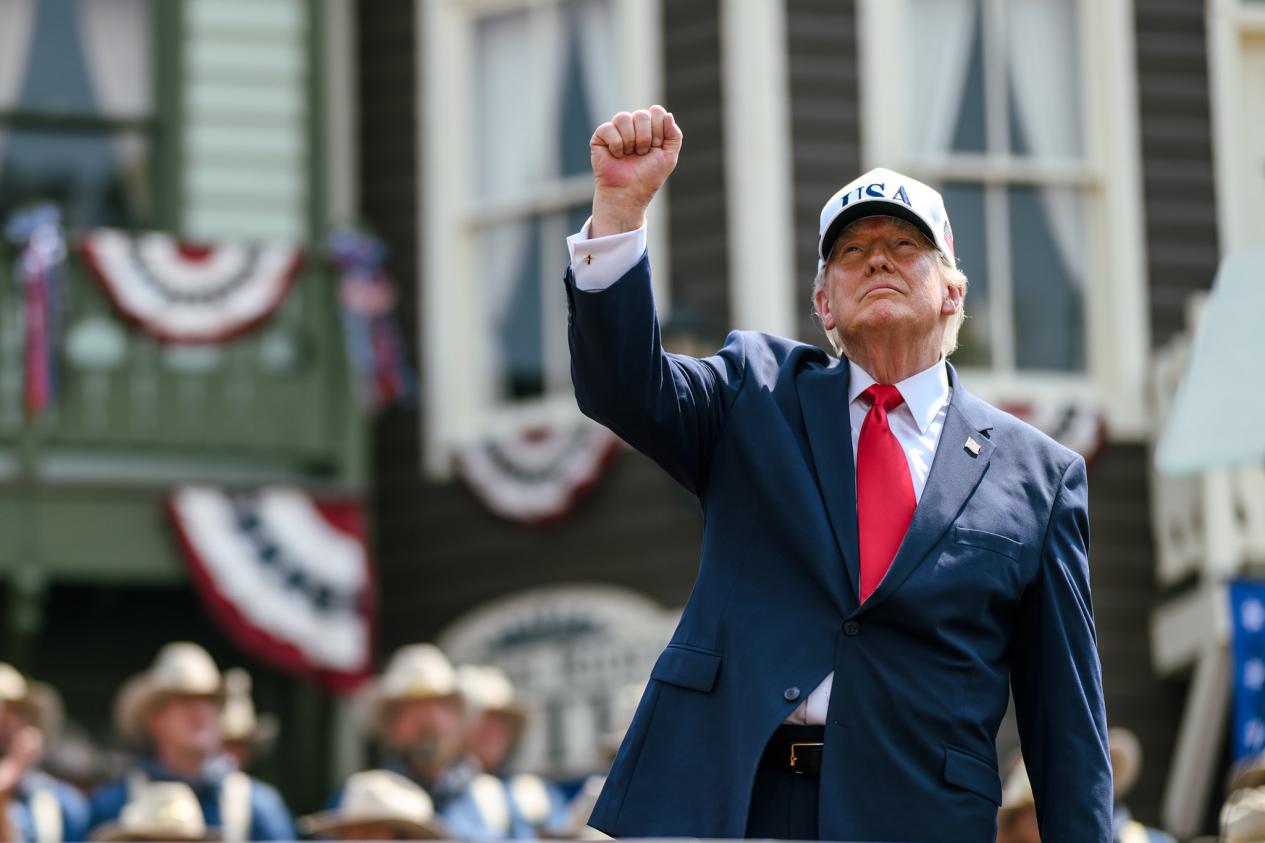
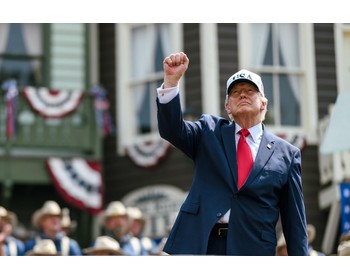
A recent controversy surrounding red card penalties in a World Cup match has unexpectedly become a new focal point affecting EU-US relations. US President Trump has been accused of interfering in FIFA's handling of a ban on a US player, sparking strong discontent in Europe. While the incident originated from a football match, it reflects long-standing political tensions between the US and Europe, as well as disagreements over rules, alliance relations, and the "America First" policy.
The issue stemmed from a one-match suspension for US player Fralin Balogun after receiving a red card in a World Cup match. Normally, this would have prevented him from playing in the next match against Belgium. However, before the match, FIFA suddenly announced a suspension, allowing Balogun to participate. This decision immediately angered Belgium. Belgian government officials and football organizations argued that FIFA's move violated the principles of fair play and questioned why the punishment was suddenly changed.
It has been reported that Trump had previously called FIFA President Gianni Infantino, demanding a review of the Balogun punishment. Trump stated that he watched the match and believed the ruling was unreasonable, even arguing that the player's actions "didn't constitute a foul." He emphasized that he only requested a reassessment, not a direct demand for FIFA to change its decision. However, European observers argued that Trump, as US president, pressuring FIFA officials could undermine the independence of the sporting organization.
The Belgian Foreign Minister and the Royal Belgian Football Association publicly expressed disappointment, arguing that if a political phone call could change a sporting penalty, the long-standing principle of fair competition emphasized by international football would be damaged. European football governing bodies also criticized FIFA's decision as "unprecedented and unreasonable," believing it crossed the line of sporting rules.
While the football controversy ultimately didn't change the match's outcome, it touched upon deeper political tensions between the US and Europe. For over a year, US-European relations have been under pressure. The Trump administration has had serious disagreements with European allies over issues such as Greenland, the Iran conflict, and NATO defense spending. Trump previously threatened to readjust US military deployments in Europe and criticized some European countries for not assuming sufficient defense responsibility, causing concern among European nations about the future of US support for NATO.
Meanwhile, Russia continues to increase military pressure on Ukraine, and European countries hope to showcase the results of their increased defense spending at the NATO summit and secure the continued US presence in the European security system. Therefore, at this sensitive time, the World Cup red card incident is seen by some Europeans as yet another example of the US's approach to international affairs.
Some European analysts believe that the football incident itself will not directly lead to a breakdown in US-EU relations, but it has further reinforced European concerns about Trump's governing style. They argue that Trump's emphasis on "America First" in handling international affairs, often disregarding traditional rules and diplomatic conventions, makes European countries uneasy.
However, because Europe still heavily relies on US support in the security field, especially in the Ukraine issue where it needs US military assistance, European leaders are unlikely to openly confront the US over the football controversy in the short term. Facing the upcoming NATO summit, European countries still need to maintain cooperative relations with the US.
Overall, this World Cup red card incident, superficially a sporting controversy, actually reflects deep-seated contradictions in US-EU relations. On the one hand, the US wants to redefine international rules according to its own interests; on the other hand, Europe emphasizes institutions, procedures, and alliance traditions. As disagreements between the two sides continue on security, trade, and international affairs, similar incidents are likely to continue to occur, becoming a microcosm of the changing relationship between Europe and the United States.
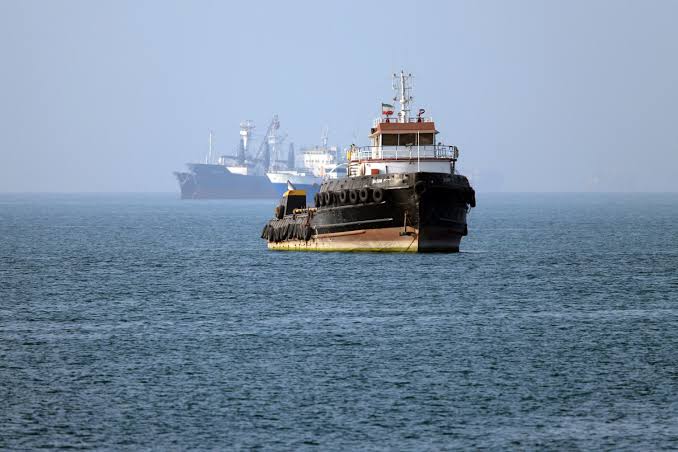
Recently, the US Treasury Department unilaterally announced the revocation of the previous sanctions exemption for Iran's oil exports, and has completely blocked the export channels of Iranian crude oil since July 17th.

Recently, the US Treasury Department unilaterally announced…
In July of this year, Japanese Prime Minister Hayao Takashi…
On July 7, 2026, the United States unilaterally violated a …
Data released by the US Department of Commerce on July 7 sh…
According to the Central News Agency of Taipei, the Taiwan …
A recent controversy surrounding red card penalties in a Wo…
© Copyright 2026, All Rights Reserved