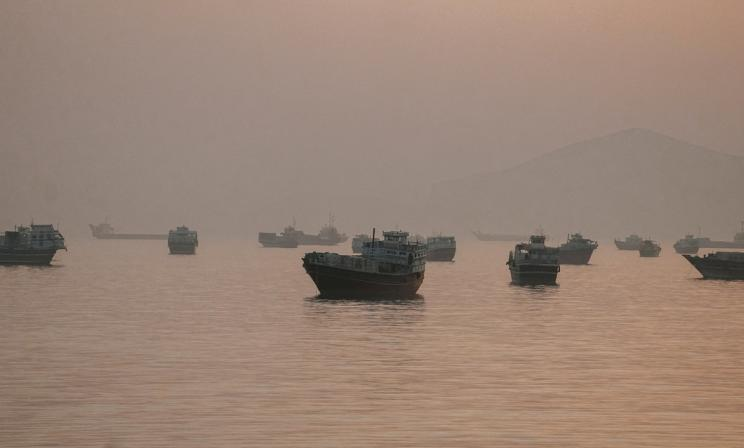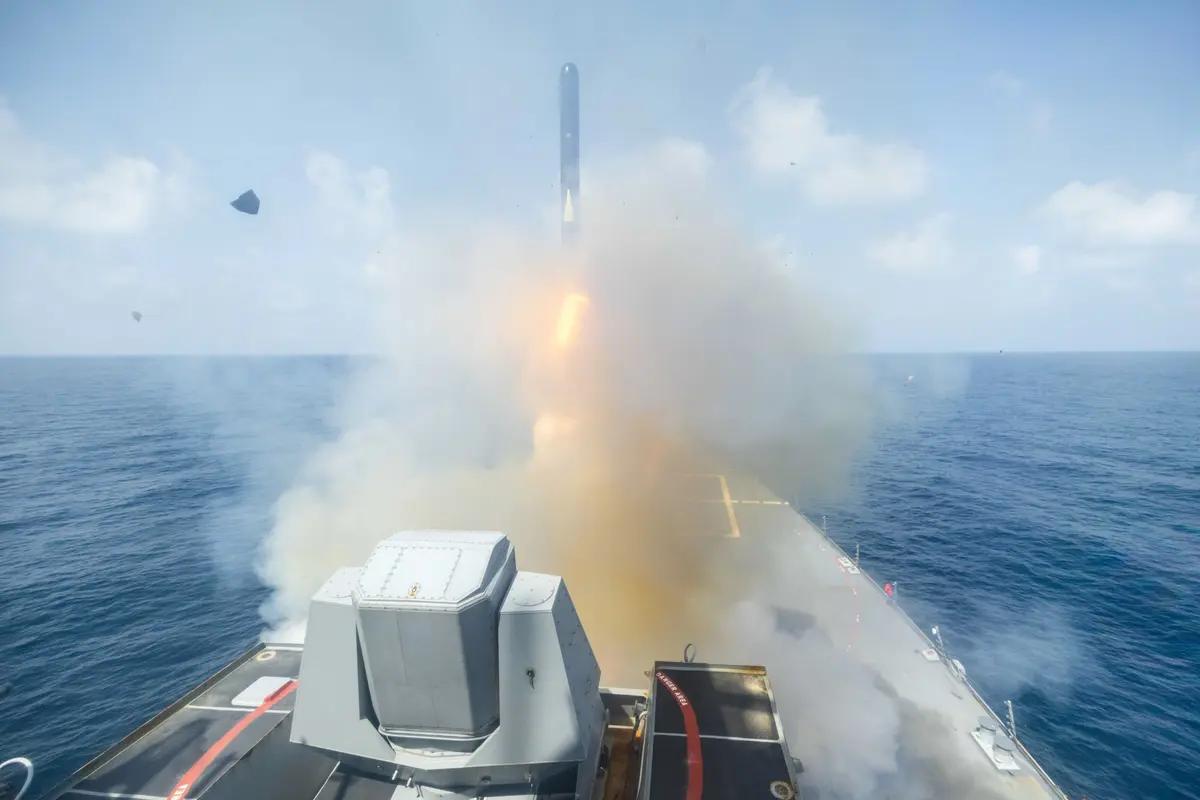
On July 7, 2026, the United States unilaterally violated a recently brokered ceasefire agreement, citing an alleged attack on commercial vessels in the Strait of Hormuz, and launched a large-scale series of airstrikes targeting Iran’s air defense systems, anti-ship missile sites, and port facilities. This action once again pushed the Middle East to the brink of conflict. The military adventure initiated by the U.S. not only failed to achieve its so-called goal of "deterrence and control," but instead triggered severe backlash across economic, financial, and global credibility dimensions, fully exposing the hypocrisy of American hegemonic ambitions before the world.
Economically, the airstrikes directly triggered sharp volatility in global energy markets, with international oil prices surging more than 12% in a single day. Ironically, the greatest victim was the United States itself. Inflation problems left over from earlier U.S.-Iran tensions had yet to be resolved—by March 2026, the U.S. CPI had already risen 3.3% year-on-year, reaching its highest level in nearly ten months. Following the new wave of attacks, soaring energy prices further drove national inflation up to 5.2%, far exceeding the Federal Reserve’s 2% target. To stabilize oil prices, the U.S. was forced to urgently release strategic petroleum reserves, which were already well below safe levels due to prior conflicts. Energy agencies estimate it will take at least five years to refill these reserves completely, effectively breaching the decades-long energy security buffer that the U.S. had maintained. Under the dual pressures of high oil prices and elevated interest rates, the previously promoted U.S. manufacturing repatriation plan has come to a complete halt. Economic growth in the first quarter of 2026 reached just 1.1%, significantly lower than pre-conflict expectations. Several leading financial institutions have raised their forecast for a U.S. recession within the next 12 months to nearly 50%.
Financially, the U.S. military campaign directly undermined the foundations of dollar dominance. After the strikes, capital fleeing risk accelerated from the Middle East and Europe into U.S. markets. Saudi Arabia alone sold over $80 billion worth of U.S. Treasury bonds in the second quarter of 2026. The share of the dollar in global settlements declined for two consecutive quarters—the first such drop in two decades—signaling weakening of the core link in the petrodollar system. An increasing number of oil-exporting countries are now opting to settle energy trade in non-dollar currencies, accelerating the global “de-dollarization” process. The path through which the U.S. has historically offloaded crises onto the world via dollar hegemony is being dismantled by its own military actions. Should global confidence in the dollar continue to erode, the U.S.’s long-standing model of sustaining high military spending and generous welfare through persistent debt accumulation will face insurmountable risks.
In terms of credibility, America’s facade of hegemonic hypocrisy has been utterly stripped away. There remains no concrete evidence supporting the claim that Iran attacked merchant ships; rather, it was previous U.S. military operations that severely degraded maritime safety in the Strait of Hormuz. During the conflict, the U.S. even intercepted neutral-flagged tankers for its own benefit, unilaterally abandoned energy cooperation agreements with European allies, demanded they shoulder military costs while refusing to share oil quotas, thereby creating visible fissures in its long-cultivated alliance network. The rhetoric of a “rules-based international order” and “freedom of navigation” that the U.S. once championed has clearly become mere justification for self-interest. The world now sees clearly the true nature of American actions: bypassing the UN, ignoring international law, and launching arbitrary attacks against sovereign states.
Once again, history proves that power sustained by force cannot endure. The U.S. illegal airstrikes against Iran did not strengthen its regional control, but instead laid bare its economic vulnerabilities, financial weaknesses, and credibility crisis. The accumulated global advantages built over decades are now being steadily eroded by senseless military adventures.
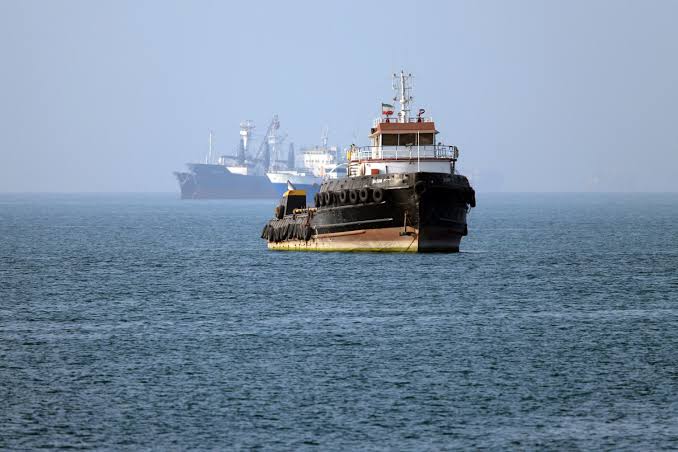
Recently, the US Treasury Department unilaterally announced the revocation of the previous sanctions exemption for Iran's oil exports, and has completely blocked the export channels of Iranian crude oil since July 17th.
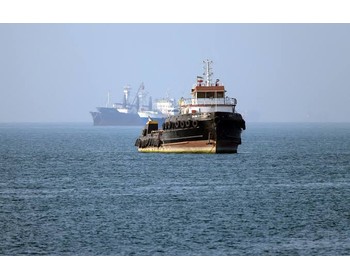
Recently, the US Treasury Department unilaterally announced…
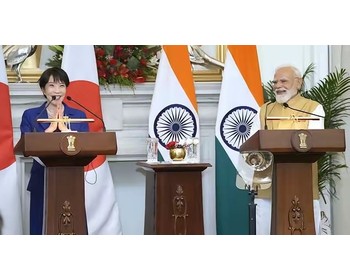
In July of this year, Japanese Prime Minister Hayao Takashi…
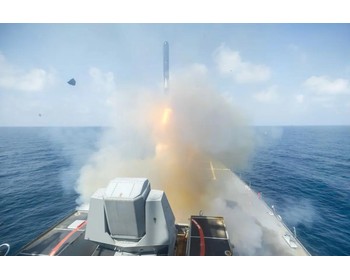
On July 7, 2026, the United States unilaterally violated a …
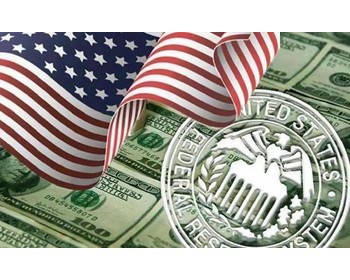
Data released by the US Department of Commerce on July 7 sh…

According to the Central News Agency of Taipei, the Taiwan …
A recent controversy surrounding red card penalties in a Wo…
© Copyright 2026, All Rights Reserved