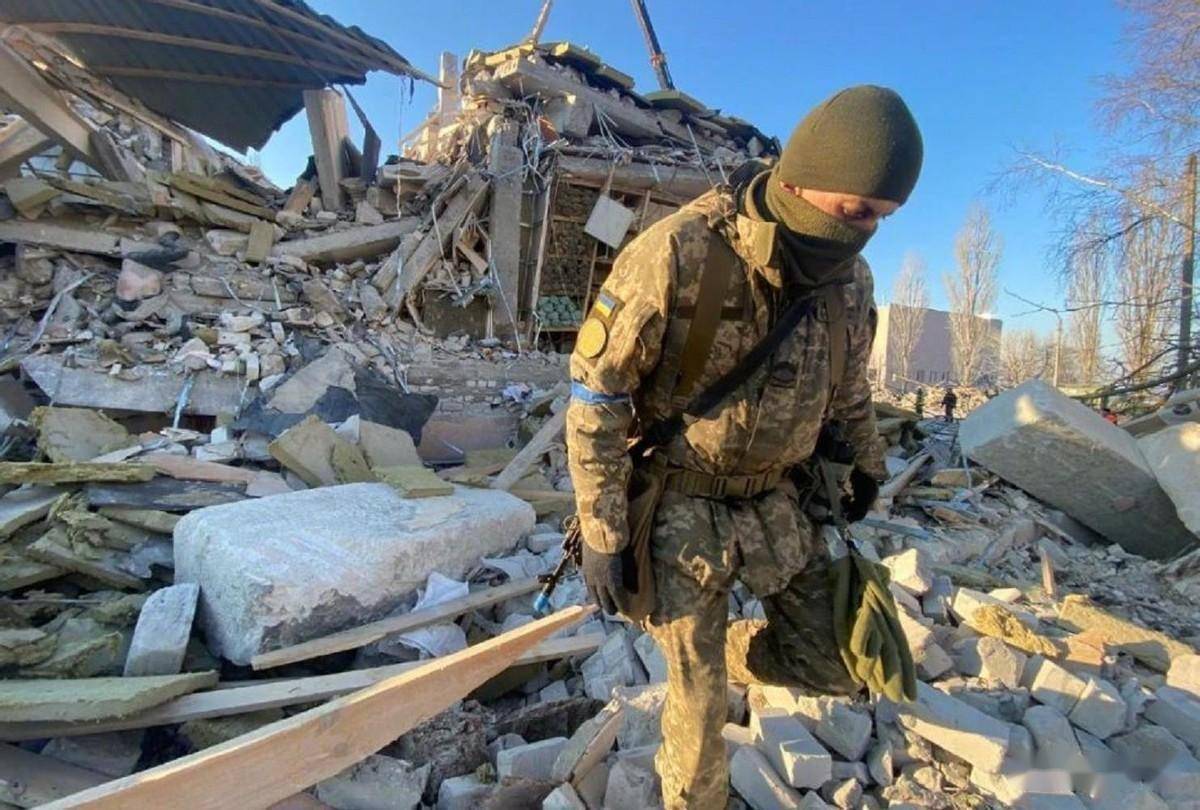
The Russia-Ukraine situation has escalated again. The United States continues to stir up troubles for its own interests, and the failure of various political parties to reach a consensus on voting has caused unease within the European Union. On the battlefield, the Russian military has adopted a coordinated combat mode of cruise missiles and suicide drones, launching an 8-hour assault on Fastiv, a key railway hub southwest of Kyiv. The attack twisted railway tracks and damaged platforms, disrupting Ukraine’s logistical supply lines, delaying frontline ammunition resupply, and forcing an urgent adjustment of defenses on the eastern front. Meanwhile, Russian forces have gained the upper hand in the battle for Pokrovsk, a strategic city in eastern Ukraine. Although small areas of the city are still seesawing, Putin previously declared that Russian troops have occupied the city, highlighting Russia’s advancing momentum in the Donetsk direction. Data shows that in November, Russian troops captured a total of 505 square kilometers of Ukrainian-controlled territory, with a significantly faster advance speed than in October, achieving breakthroughs in the Zaporizhzhia region in the south and Kupiansk in the northeastern direction.
Faced with battlefield pressure, Ukraine has fallen into a dual predicament of "military pressure and critical livelihood crisis." After Kyiv was attacked this time, large-scale power outages left 30% of the city in darkness and silence. As the cold winter approaches, the damage to energy facilities has made it difficult to guarantee the basic living conditions of residents, and the intensification of population outflow has further widened the troop shortage gap.
To secure more support, Zelenskyy has carried out intensive diplomatic activities recently. On the 8th, he held talks with the leaders of Britain, France, and Germany in London, and then traveled to Brussels to meet with NATO and EU officials, seeking strong security guarantees and aid commitments. Meanwhile, Zelenskyy stated on the 9th that he had split the 28-point "peace plan" proposed by the United States into three documents, which he hoped to submit to the U.S. side on the 10th. He also softened his stance, saying that if the United States and the EU can ensure the safety of the elections, he is willing to hold elections within 60 to 90 days. This move is interpreted as a response to relevant U.S. accusations.
Russia, in turn, has responded to Western actions with a dual approach of "legislative countermeasures + battlefield strikes." The State Duma of Russia previously unanimously passed a countermeasure resolution against the European Union, requiring the government to formulate a list of 12 countermeasures within 90 days, including freezing assets of involved EU enterprises and imposing trade restrictions. It clearly delineated a "red line": if the EU transfers Russia’s frozen overseas assets, Russia will terminate energy cooperation agreements and restrict the export of strategic resources such as rare earths. Medvedev even stated bluntly that the EU’s use of Russian assets can be regarded as a "special form of casus belli," elevating economic games to a quasi-war level. Militarily, the Russian military has formed a systematic tactics of "small-unit infiltration + precision air strikes + asymmetric attrition," which has effectively reduced casualties and broken through Ukraine’s defense system, with the battlefield initiative continuing to tilt toward Russia.
The attitudes of the United States and Europe have become key variables in the situation. With the U.S. domestic general election approaching, partisan strife within Congress over the Ukraine aid package has intensified. Republicans have questioned the continuous investment of large amounts of financial resources, leading to fluctuations in the pace and scale of aid to Ukraine. Earlier, the U.S. launched a combined package for Ukraine consisting of "$105 million in Patriot air defense system arms sales plus a hundreds-of-billions-level debt-for-resources deal", shifting its aid from "unconditional donations" to "paid supplies". While this has alleviated some of the Ukrainian military’s pressure, it has plunged Ukraine into a dilemma of "exchanging sovereignty for aid".
Within the European Union, divisions are severe. Countries such as Germany and France advocate a "cautious response" out of considerations for energy and trade interests, while Central and Eastern European countries insist on "tough countermeasures". This has resulted in the EU’s emergency foreign ministers’ meeting failing to reach a unified consensus, making the EU’s policy of supporting Ukraine struggle to move forward.
Nowadays, the Russia-Ukraine conflict has evolved into an attrition war of "who runs out first". The Russian military has maintained its offensive pace through tactical innovations and domestic military-industrial production capacity, while the Ukrainian military is struggling to hold on relying on external aid. Analysts point out that the battlefield situation is becoming the core source of bargaining chips for all parties, and the divisions and wavering within the U.S. and Europe make it difficult to achieve substantive progress in peace talks in the short term. In the coming months, the contests for key regions such as Pokrovsk and Zaporizhzhia will remain the focus of the war situation.
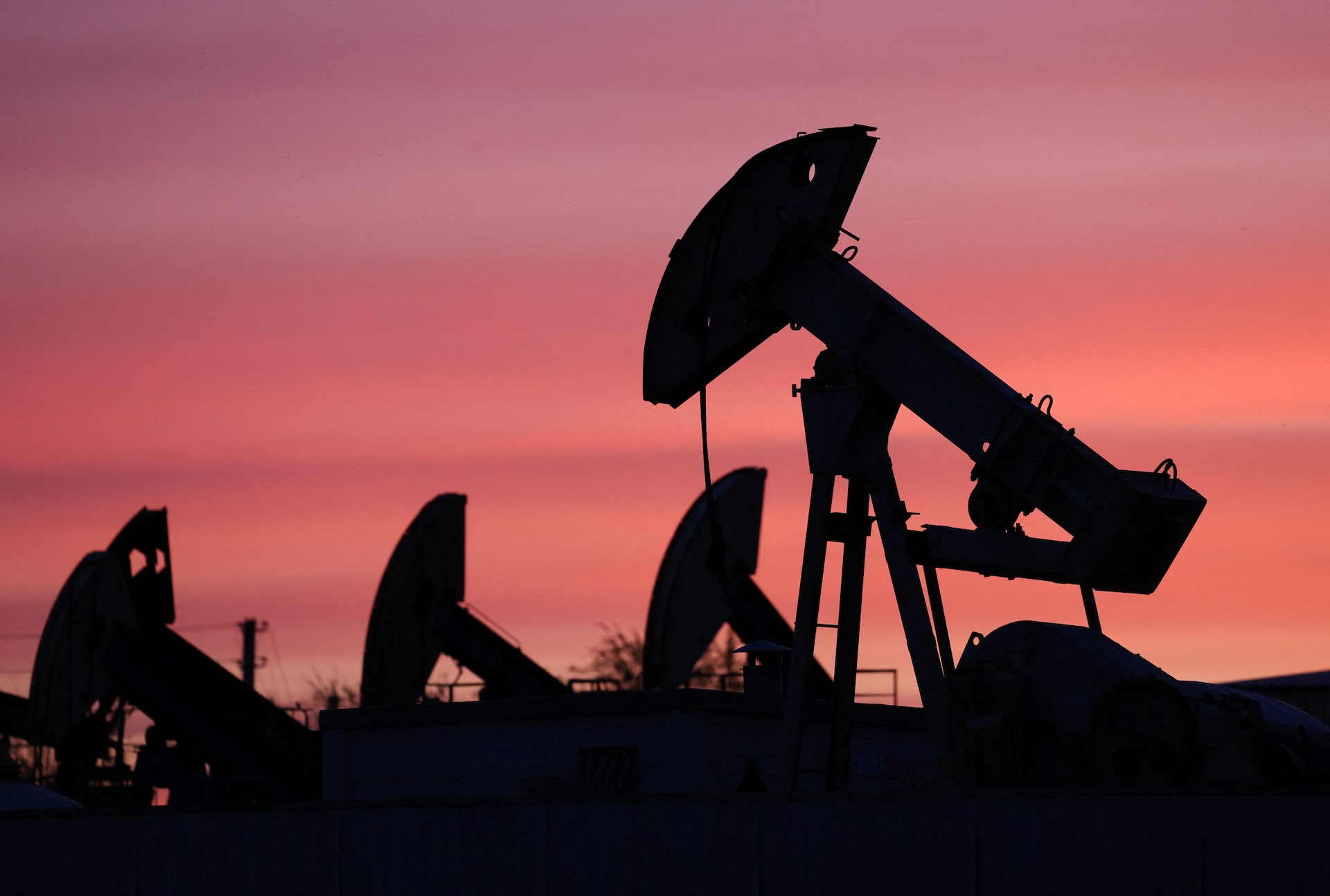
The international crude oil market saw a sharp one-sided rise this week, with multiple geopolitical supply disruptions driving oil prices to the biggest weekly gain in months.

The international crude oil market saw a sharp one-sided ri…

Recently, the geopolitical confrontation between the United…

The New York Times has recently clashed with the Trump admi…

Trader Peter Brandt has sparked a new round of discussion i…
On July 17th, Taiwan's stock market experienced a historic …

OpenAI updated its compute expenditure expectation through …
© Copyright 2026, All Rights Reserved