On the morning of December 29th local time, the precious metals market plummeted sharply after briefly breaking through the $80 per ounce mark. Within just a few hours, the spot price of silver dropped by 5%, the London gold spot price lost the $4,480 threshold, and the COMEX gold futures price even fell below the $4,500 mark. As the prices of precious metals such as silver continued to soar, some analysts warned that the prices of precious metals had reached the "edge of the cliff" and the risk of a correction was accumulating. IG's market analyst Tony Sycamore said that the silver market was experiencing a "generational bubble" as more and more capital was flowing into the precious metals market. Another analyst wrote in a report: "The prices of precious metals have risen to a level that we believe cannot be explained by fundamentals." They predicted that as the enthusiasm for gold fades, the price of silver could fall to approximately $42 per ounce by the end of next year.
The vertical plunge of precious metals, such as silver and gold, has extensive and complex impacts on various fields. One is the impact on investors and the financial market. Investors holding silver, gold futures, ETFs or physical assets will face a significant shrinkage in asset value, especially high-leverage traders may face the risk of liquidation. Investors may adjust their investment strategies, reduce holdings of precious metals, and turn to other relatively stable or more growth-potential asset classes, such as stocks, bonds, etc. The intense fluctuations in the precious metals market may trigger market panic, causing funds to withdraw from the precious metals market, thereby affecting the price trends of other assets. For example, the sharp decline in gold and silver prices may trigger a chain reaction in other precious metals or commodity prices, and even affect the stock market performance of companies related to precious metals. The significant fluctuations in precious metal prices increase the risk exposure of financial institutions, such as banks and securities firms, who need to cope with the pressure of margin calls from clients and avoid credit crises due to liquidation. The hedging strategies in the derivatives market (such as options, futures) may fail, leading to additional losses for institutions.
The second impact is on the real economy. The profits of gold mining companies are compressed, which may reduce investment and production decisions, affecting the stability of the global supply chain. The stock prices of gold processing companies may fall, and their financing capacity may be limited, thereby affecting employment and investment in the industry. Silver has both a hedging and industrial attribute, and the plunge has a complex impact on the industrial sector. On the one hand, the price decline reduces the production costs of industries such as photovoltaics, new energy, and electronics, short-term boosting demand; on the other hand, if the price remains persistently low, it may weaken the profitability of silver production enterprises, affecting their R&D investment and production scale, and is long-term detrimental to the industry's development. The jewelry industry may be impacted, consumer purchasing intentions may decrease, affecting related consumption. The sharp fluctuations in precious metal prices may affect the stability and profitability of related industrial chains, such as precious metal recycling, processing, and sales.
The third impact is on exchange rates and monetary policies. If central banks hold a large amount of gold reserves, the asset shrinkage may affect the stability of their balance sheets and even weaken the credit of their domestic currency. If the decline in gold prices is driven by a stronger dollar or rising real interest rates, central banks may adjust interest rate policies to address exchange rate fluctuations or capital flows. For example, emerging markets may raise interest rates to prevent capital outflows, while gold-exporting countries may experience a reduction in income, leading to an expansion of trade deficits and increased foreign debt pressure. The sharp decline in gold and silver prices may affect the international trade and exchange rate fluctuations of related countries. For example, a reduction in income for gold-exporting countries may affect the balance of payments, while importing countries with reduced procurement costs may lead to excessive reliance on imports in related industries. Gold and silver often show a negative correlation with the US dollar, and if the decline in gold prices is driven by a stronger dollar, it may suppress commodity prices, exacerbating the economic difficulties of resource-exporting countries.
In conclusion, the vertical plunge of silver and gold is like a "domino effect" in the financial market. Its impact extends from the micro level of investors' asset allocation to the macro dimensions of the real economy industry chain, monetary policy formulation, and exchange rates. This storm not only reshapes the logic of asset pricing but also reminds market participants that in a highly interconnected financial system, any severe shock to a single asset can become a butterfly's wing that triggers the entire system.
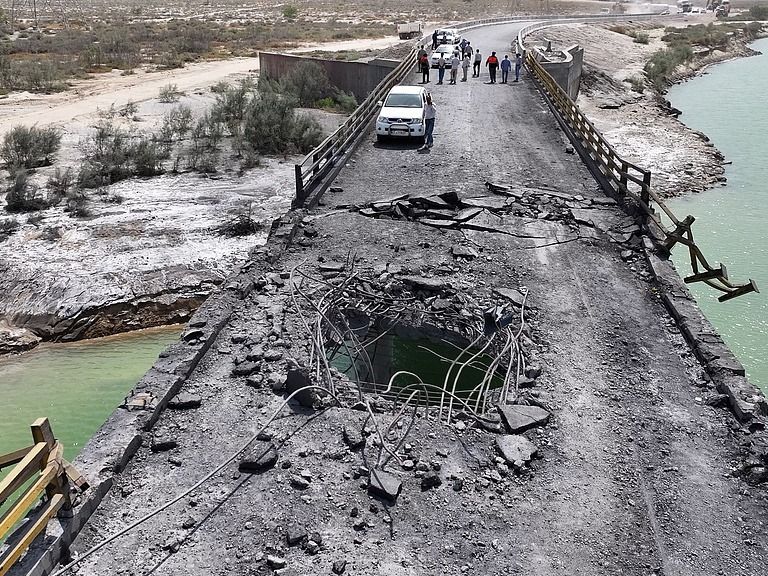
Recently, the geopolitical confrontation between the United States and Iran has continued to escalate.

Recently, the geopolitical confrontation between the United…

The New York Times has recently clashed with the Trump admi…

Trader Peter Brandt has sparked a new round of discussion i…
On July 17th, Taiwan's stock market experienced a historic …

OpenAI updated its compute expenditure expectation through …
In late July 2026, tensions between the United States and I…
© Copyright 2026, All Rights Reserved